

COSHH responsibilities sit firmly with care home management. While teams may handle cleaning products and chemicals day to day, managers remain accountable for how hazardous substances are assessed, controlled, and monitored across the home. Because inspectors focus on systems rather than individuals, COSHH compliance always reflects management oversight, not just staff behaviour.
Many care homes use chemicals safely every day. However, problems still arise when responsibilities become unclear, documentation drifts, or control measures rely too heavily on informal routines. Therefore, managers need a clear understanding of what COSHH requires in practice and how to maintain control without adding unnecessary complexity.
This guide explains what COSHH responsibilities mean for care home managers and how to meet them consistently.
Need help checking whether your COSHH systems are inspection-ready?
What COSHH Responsibility Means in a Care Home
COSHH responsibility does not mean managers personally complete every assessment or supervise every task. Instead, it means managers ensure that systems exist, remain accurate, and work in practice.
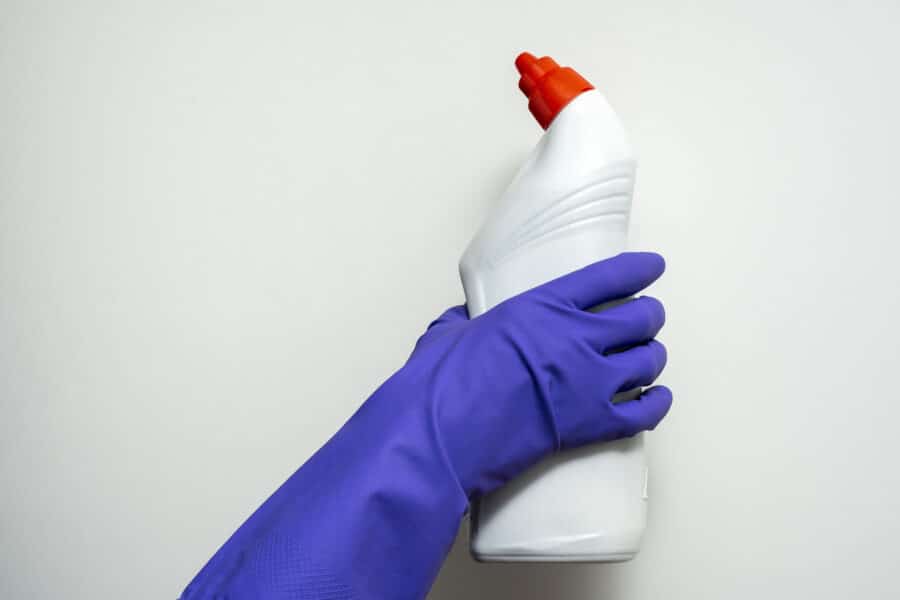
In care homes, hazardous substances include cleaning chemicals, disinfectants, detergents, descalers, and some maintenance products. These substances support infection prevention and hygiene, yet they also introduce risks if managed poorly. Because of this, COSHH places clear duties on employers and those in managerial control.
Managers remain responsible for ensuring:
-
risks are identified and assessed
-
control measures remain suitable
-
staff understand safe use
-
documentation stays current
-
practice matches paperwork
Even when tasks are delegated, accountability stays with management.
Understanding the Manager’s Role Under COSHH
Managers act as the link between policy and practice. While frontline staff follow instructions, managers create the environment that makes safe behaviour possible.
This role includes:
-
approving which products enter the home
-
ensuring COSHH risk assessments exist for each hazardous substance
-
confirming staff receive appropriate training
-
monitoring compliance through checks and audits
When managers understand COSHH as a management system rather than a form-filling exercise, compliance becomes far easier to maintain.
Identifying Hazardous Substances in Care Homes
Care homes use a wide range of substances that fall under COSHH. Although cleaning products receive most attention, other substances also require consideration.
Common COSHH items include:
-
surface cleaners and disinfectants
-
bathroom and toilet cleaners
-
laundry chemicals
-
descalers and floor care products
-
maintenance chemicals
Managers must ensure each substance has a corresponding assessment and that products remain suitable for care environments. Introducing new products without assessment often creates gaps in compliance.
Managers can strengthen control by linking COSHH oversight to care home cleaning operations, ensuring chemical management aligns with daily routines rather than operating in isolation. Kitchen cleaning chemicals often require additional oversight because food preparation areas combine infection-control requirements with food-safety compliance. Following clear care home kitchen hygiene procedures helps managers ensure degreasers, disinfectants, and sanitising products are used safely and consistently in kitchen environments.
Unsure whether every chemical in your home has been properly assessed?
COSHH Risk Assessments: What Managers Must Ensure
COSHH risk assessments form the foundation of compliance. However, responsibility does not stop once an assessment exists.
Managers must ensure assessments:
-
reflect actual products in use
-
match how staff use substances in practice
-
include clear control measures
-
remain accessible to staff
-
receive regular review
Outdated assessments represent one of the most common inspection failures. Products change, suppliers update formulations, and routines evolve. Therefore, managers should review assessments periodically and whenever changes occur.
Where necessary, managers should link COSHH oversight to COSHH risk assessment in care homes, ensuring assessments remain practical and relevant.
Implementing and Maintaining Control Measures
Control measures translate assessments into safe practice. Managers must ensure these measures work consistently, not just on paper.
Typical control measures include:
-
correct dilution systems
-
appropriate PPE
-
safe storage arrangements
-
clear usage instructions
-
supervision and monitoring
Managers should confirm staff understand why controls exist. When staff understand the reasoning behind measures, compliance improves significantly. In contrast, unexplained rules often lead to shortcuts.
Control measures should integrate into daily routines rather than sit separately. For example, safe storage should support workflow instead of creating barriers.
Training and Supervision Responsibilities
Training forms a core COSHH responsibility for managers. While staff may complete online modules or inductions, managers must ensure training remains effective and appropriate.
This includes:
-
ensuring new starters receive COSHH training before handling chemicals
-
providing refresher training when products or processes change
-
confirming agency staff understand site-specific arrangements
Supervision reinforces training. Managers should observe how staff use chemicals and intervene early when unsafe habits appear. Consistent supervision reduces incidents and supports a positive safety culture.
Need help turning COSHH paperwork into safer daily practice?
Safe Storage and Labelling of Chemicals
Storage failures frequently undermine COSHH compliance. Managers must ensure chemicals remain stored safely, securely, and logically.
Effective storage involves:
-
keeping chemicals in designated areas
-
separating incompatible substances
-
using original containers with clear labels
-
preventing unauthorised access
Managers should review storage arrangements regularly, especially when layouts change or new products arrive. Linking COSHH storage oversight to chemical storage in care homes helps ensure arrangements remain inspection-ready.
Monitoring Compliance Through Audits and Checks
COSHH compliance requires ongoing monitoring. Managers should not rely solely on documentation or training records.
Practical monitoring includes:
-
spot checks on chemical use
-
reviewing storage areas
-
checking dilution systems
-
confirming staff follow procedures
Audits help identify patterns rather than isolated issues. When managers spot recurring problems, they can address root causes rather than symptoms. Linking COSHH monitoring to cleaning audit preparation for care homes supports consistent oversight and inspection readiness.
Common COSHH Failures in Care Homes
Many COSHH issues arise from system gaps rather than negligence. Common failures include:
-
outdated risk assessments
-
undocumented product changes
-
inconsistent staff training
-
unclear responsibility for reviews
-
storage arrangements drifting over time
Managers can reduce these risks by scheduling regular reviews and documenting decisions clearly. Small, proactive checks often prevent larger compliance issues later.
Concerned COSHH responsibilities are becoming difficult to manage?
COSHH Responsibilities During Inspections
Inspectors assess COSHH by looking for evidence of control and understanding. They expect managers to explain how risks are identified, managed, and reviewed.
Managers should ensure:
-
assessments match products in use
-
staff understand safe procedures
-
documentation remains current
-
monitoring records demonstrate oversight
Preparation reduces inspection stress. When systems run consistently day to day, inspections simply confirm what already works.
Maintaining COSHH Control Without Adding Workload
Many managers worry COSHH adds administrative burden. In practice, good systems often reduce workload.
Clear assessments reduce questions. Consistent products reduce confusion. Integrated routines reduce rework. By simplifying systems and aligning COSHH with existing processes, managers maintain control without extra pressure.
Focusing on system quality rather than quantity makes COSHH manageable and sustainable.
Want to reduce COSHH admin while improving chemical safety?
External Guidance for COSHH in Care Homes
Managers can refer to authoritative guidance when reviewing COSHH responsibilities. The Health and Safety Executive provides clear, up-to-date information on COSHH requirements.
Using trusted sources supports decision-making and reinforces compliance.
Final Accountability for Care Home Managers
COSHH responsibilities ultimately sit with care home managers. While tasks may be delegated, accountability remains central. By understanding COSHH as a management system rather than a compliance exercise, managers protect staff, residents, and the organisation.
Strong COSHH systems support safer care environments, smoother inspections, and greater confidence across teams.
Need practical support improving COSHH compliance in your care home?
COSHH Responsibilities for Care Home Managers FAQs
Who is responsible for COSHH compliance in a care home?
The employer and those in managerial control hold responsibility for COSHH compliance. While staff follow procedures, managers remain accountable for ensuring systems work in practice.
What substances in care homes fall under COSHH?
Substances include cleaning products, disinfectants, laundry chemicals, descalers, and some maintenance products. Managers must assess each hazardous substance used in the home.
How often should COSHH risk assessments be reviewed?
Managers should review COSHH assessments regularly and whenever products, processes, or suppliers change. Reviews ensure assessments remain accurate and relevant.
How do managers ensure staff follow COSHH procedures?
Managers ensure compliance through training, supervision, spot checks, and audits. Clear systems and regular monitoring help maintain safe practice.
What happens if COSHH responsibilities are not managed properly?
Poor COSHH management increases risk to staff and residents and can lead to inspection failures, enforcement action, or reputational damage. Consistent oversight reduces these risks significantly.