Cleaning audits are a routine and necessary part of care-home life. Whether the review is internal, led by a local authority, or forms part of a wider CQC inspection, good preparation helps reduce stress and maintain high standards for residents.
This guide explains how to prepare your environment, your team, and your documentation. With the right systems in place, your next cleaning audit can feel like a straightforward check of good practice rather than a last-minute scramble.
Why Cleaning Audits Matter
Cleaning audits are designed to protect residents by checking that hygiene processes are consistent, thorough, and compliant. Weak performance in this area can have serious consequences, including:
- Reduced CQC ratings
- Mandatory improvements
- Damage to your home’s reputation
- Increased risk to resident safety
With clear systems and daily good practice, audits become much easier to manage. Instead of treating them as a crisis point, care homes can use them as evidence that their standards are working.
If you want to strengthen your cleaning systems before an audit or inspection, we can help you review the key areas.
How to Prepare for a Cleaning Audit in Your Care Home
1. Review Your Cleaning Schedules and Records
Start by checking that your current cleaning schedules are:
- Up to date
- Room-specific where needed
- Signed off by staff daily or weekly
- Stored somewhere easy to access
Auditors often ask to see evidence that tasks have actually been completed, which is why having a clear care home cleaning schedule in place makes audit preparation significantly easier. A strong audit also depends on staff following the correct care home cleaning frequency standards, ensuring high-touch surfaces, bathrooms, communal areas, and resident rooms are cleaned often enough to meet infection control expectations and inspection requirements. If your home does not already use printed or digital checklists consistently, this is usually one of the first things to tighten up. Able’s cleaning and hygiene hub includes resources that can help standardise your approach.
2. Conduct a Pre-Audit Walkthrough
Before any audit, walk the building with fresh eyes. Look for issues such as:
- Overflowing or unlabelled bins
- Dirty skirting boards or neglected high-touch surfaces
Issues like these are often indicators that a more structured care home deep cleaning programme may be needed. Periodic deep cleans help address hidden build-up, difficult-to-reach areas, and hygiene risks that routine cleaning schedules can sometimes miss.
- Cleaning products left out or stored incorrectly
- Damaged signage or incomplete COSHH information
Following clear cleaning supply storage procedures helps ensure chemicals remain secure, labelled, and compliant with COSHH requirements.
It also helps to involve senior carers or housekeeping staff in the walkthrough. That makes the process more collaborative and prepares them for auditor-style questioning.
3. Organise COSHH and Product Information
Every cleaning product in use should be documented clearly. As a minimum:
- COSHH safety sheets should be available and up to date
- Products should be labelled clearly
- All chemicals should be stored securely and safely. Our guide to COSHH risk assessments in care homes explains how managers should document hazardous cleaning products, assess chemical risks, and maintain inspection-ready COSHH controls across the home.
- Any colour-coding system should be understood and followed
Your team should also be able to explain how products are diluted, stored, and used. If staff are unsure, that is often a sign that training needs refreshing or labelling needs simplifying.
If you are unsure whether your current cleaning setup, records, or staff routines are audit-ready, our team can help you review them.
4. Train Staff to Answer Audit Questions
Auditors often speak directly with team members. Staff should be able to explain:
- The correct cleaning routine for resident rooms and bathrooms
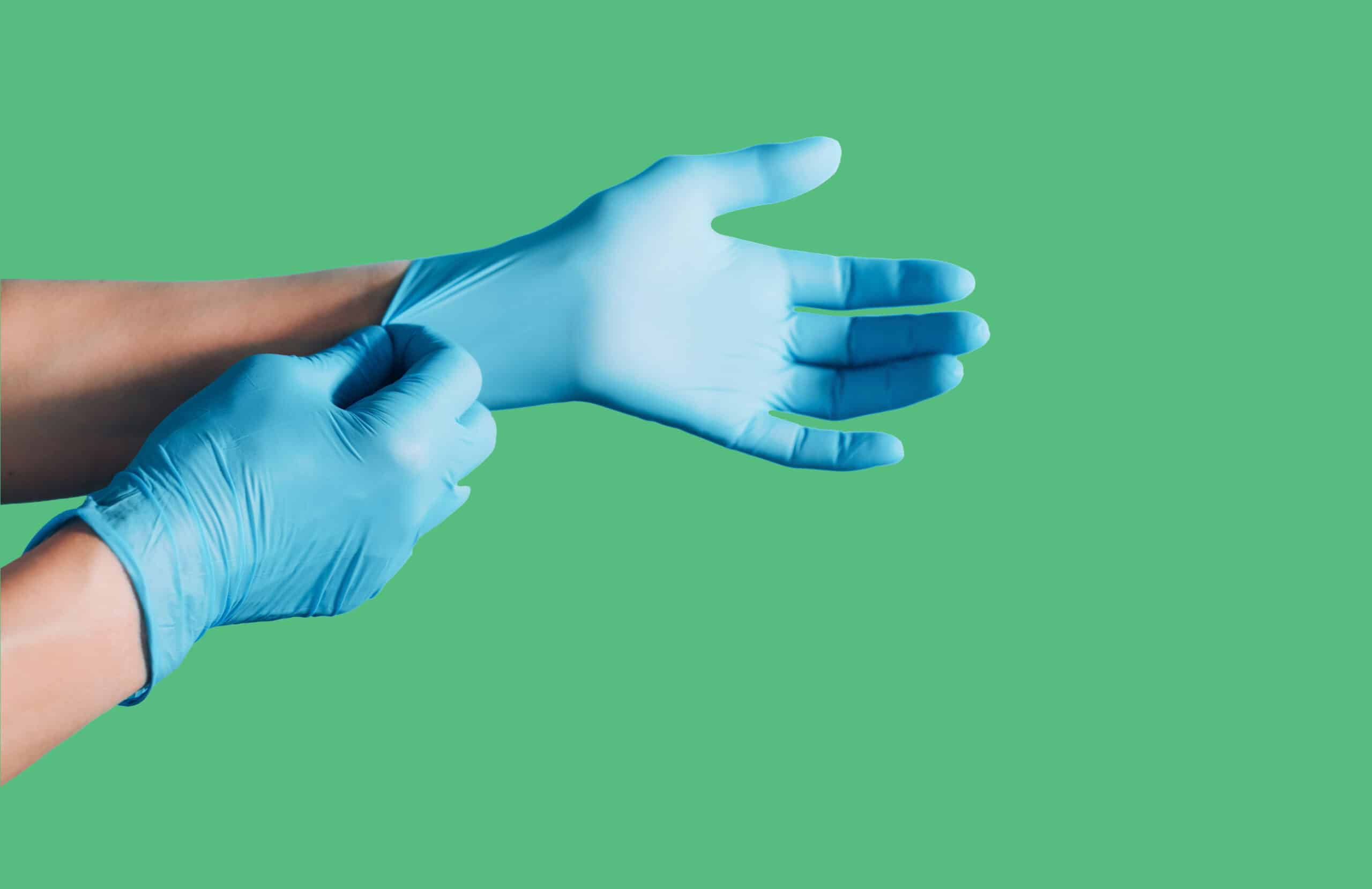
- How PPE should be used for cleaning tasks. Staff should also understand which glove materials are appropriate for different contamination risks and chemical-handling procedures. Our guide to disposable glove selection in care homes explains when nitrile, vinyl, and medical examination gloves are most suitable across healthcare cleaning environments.
- What products they use and why
- Where COSHH information or SDS sheets are kept
Auditors may also ask staff about food-preparation cleaning routines, particularly where kitchens or dining areas are inspected as part of infection-control assessments. Following structured care home kitchen hygiene checks helps teams demonstrate that food-contact surfaces, catering equipment, and cleaning procedures are being managed consistently and safely.
Simple roleplay exercises during team meetings can make a real difference. Confidence and clarity go a long way when inspectors are listening.
5. Prepare Your Cleaning Equipment
Cleaning equipment should also be checked before an audit. Ask questions such as:
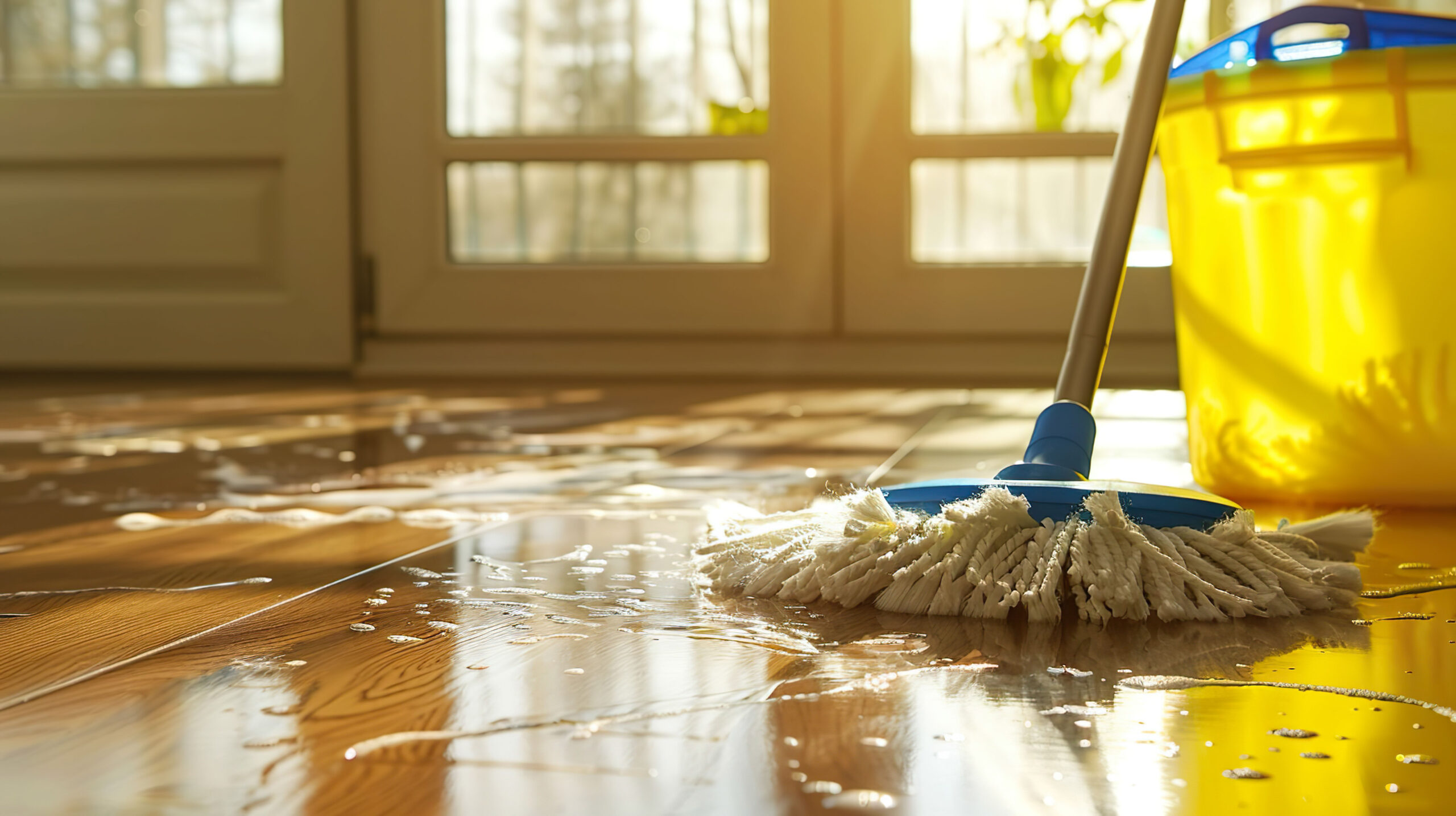
- Are mop heads clean and colour-coded correctly?
- Are buckets and carts labelled and stored neatly?
- Do vacuums and floor machines work properly?
Floor equipment checks should also include reviewing whether staff are using the most suitable cleaning chemicals for the flooring type and task. Our guide to using all-purpose cleaner for mopping explains when a versatile cleaner is appropriate for routine floor care and when a dedicated floor product may deliver better hygiene and finish results.
Tidy, maintained equipment sends a strong signal that hygiene standards are taken seriously. If you find gaps in your current setup, visit our Cleaning & Hygiene page for professional-grade tools and systems designed for care homes.
6. Include Laundry and Waste Management Checks
Cleaning audits often extend beyond visible surface cleaning. Laundry handling and waste management are often reviewed too. Check that:
- Clinical waste bins are correctly located and labelled
- Dirty linen is handled separately and processed safely
- Laundry chemicals are stored and dosed correctly
If you use an auto-dosing system or specialist laundry chemicals, keep the supporting documentation available and make sure staff can explain how the system works.
Helpful External Resources for Care Home Teams
For broader guidance on what inspectors often look for, the Skills for Care Cleaning and Infection Prevention Guide is a useful non-commercial resource that aligns well with common CQC expectations.
Bathrooms are often among the most closely scrutinised spaces during inspections because they present higher infection-control risk than many other areas. Many homes use a structured infection control bathroom cleaning checklist for care homes to make sure high-touch surfaces, fixtures, and floors are cleaned consistently and recorded properly.
Final Checks Before Inspection Day
As the audit date approaches, double-check the following:
- All cleaning logs are complete and available
- Team members have had a recent COSHH refresher where needed
- Storage areas are organised and labelled
- There is no avoidable clutter, especially in shared spaces and bathrooms
It can help to assign a senior team member as an audit lead to coordinate final checks and answer questions on the day.
Need Help Before an Audit?
If you are unsure whether your home is audit-ready, or you want support reviewing cleaning products, systems, or compliance processes, reach out to the team at Able. We help care homes prepare for inspections, improve systems, and simplify compliance.
For everyday supplies, systems, and advice, you can also explore our cleaning and hygiene hub.
Conclusion
With a little forward planning, cleaning audit preparation does not need to be stressful. By training your team, documenting your processes, and keeping products and equipment organised, you can turn inspections into a moment of confidence rather than panic.
If you need help preparing for a cleaning audit, improving compliance, or reviewing your cleaning products and systems, we’re here to help.
FAQs: Cleaning Audit Preparation for Care Homes
Why are cleaning audits important for care homes?
Audits help protect residents by confirming that cleaning processes are consistent, safe, and properly documented. Poor results can lead to lower CQC ratings, compliance actions, or damage to your home’s reputation.
How can care homes prepare for a cleaning audit?
Preparation involves reviewing cleaning schedules, ensuring records are up to date, conducting a pre-audit walkthrough, training staff, and checking equipment, laundry, and waste management procedures.
What should be included in cleaning records for audits?
Records should include cleaning schedules by area, daily or weekly sign-offs, and evidence of completed tasks. Keeping these organised and accessible helps demonstrate compliance to auditors.
How should COSHH information be presented during a cleaning audit?
All cleaning products must have up-to-date COSHH safety sheets, clear labels, and proper storage. Staff should also know where to find safety data sheets and how to explain product use and dilution.
What kind of audit questions might cleaning staff be asked?
Inspectors often ask staff about cleaning routines, PPE use, product knowledge, and where they locate COSHH or SDS information. Regular training and roleplay sessions help staff answer confidently.
Does a cleaning audit include laundry and waste management?
Yes. Auditors check that dirty linen and clinical waste are handled safely, with correct labelling, storage, and disposal practices. Laundry chemicals and auto-dosing systems should also meet safety standards.
How can Able help care homes prepare for cleaning audits?
Able supports care homes with compliant cleaning products, laundry solutions, and hygiene consultations. Their cleaning and hygiene hub also offers resources to help standardise audit documentation and training.