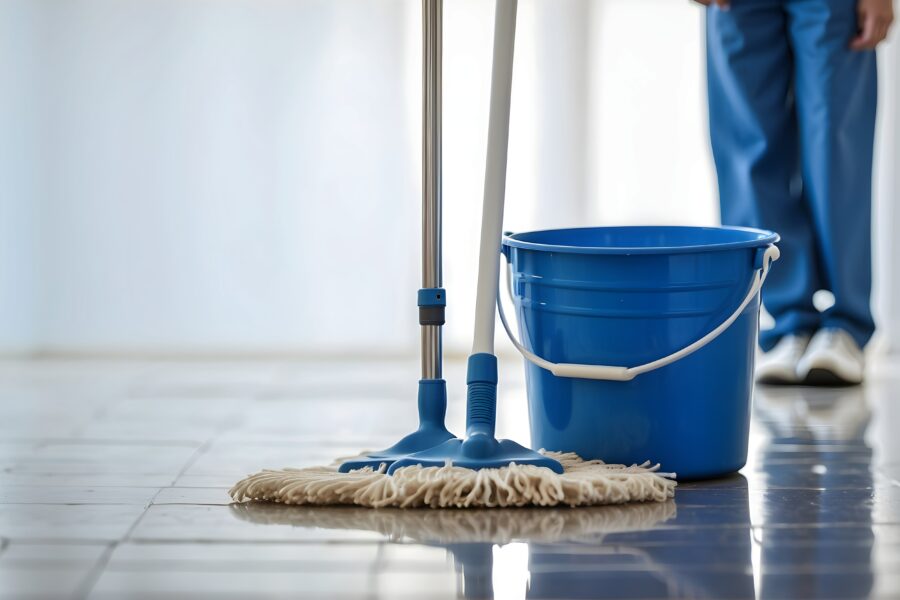


Professional cleaning chemicals play an important role in maintaining hygiene standards throughout care homes, healthcare environments and other high-risk settings.
Unlike domestic cleaning products, professional cleaning chemicals are designed for frequent use, larger environments and more demanding cleaning requirements. They help support infection control, improve cleaning consistency and enable staff to maintain safe and hygienic surroundings for residents, visitors and colleagues.
From routine housekeeping to outbreak cleaning procedures, the right cleaning chemicals form an essential part of day-to-day operations in care environments. Our guide to care home cleaning products explains how professional chemicals, consumables, PPE and cleaning equipment work together to support safe, consistent cleaning across the home.
Many organisations also combine professional cleaning chemicals with cleaning colour coding systems to help reduce cross contamination and ensure equipment and products are used correctly throughout the building.
What Are Professional Cleaning Chemicals?
Professional cleaning chemicals are products specifically formulated for commercial and healthcare environments.
They are designed to:
- Remove dirt and organic matter
- Reduce bacteria and viruses
- Remove grease and stains
- Support infection-control procedures
- Maintain hygiene standards in high-use environments
Professional products often offer greater efficiency, larger pack sizes and specialist formulations that are better suited to the demands of care settings than many domestic alternatives.
Why Care Facilities Need Professional Cleaning Chemicals
Care environments present unique cleaning challenges.
Shared facilities, vulnerable residents and high-touch surfaces all increase the importance of effective cleaning procedures.
Professional cleaning chemicals help support:
- Environmental hygiene
- Infection prevention
- Cross-contamination control
- Odour management
- Staff efficiency
- Consistent cleaning standards
- Regulatory compliance
Without suitable products, cleaning teams may struggle to achieve the required standards across different areas of the building.
This is particularly important in care homes where cleaning tasks are repeated multiple times throughout the day and where cleaning standards must remain consistent regardless of staff changes or operational pressures.
Types of Professional Cleaning Chemicals Used in Care Homes
Most care facilities use a range of professional cleaning chemicals designed for different cleaning tasks.
General Purpose Cleaners
General purpose cleaners are used for everyday cleaning of surfaces, furniture and communal areas.
They are suitable for:
- Desks
- Doors
- Tables
- General surfaces
- Communal spaces
These products form the backbone of many daily cleaning routines and are often used as part of documented care home cleaning schedules.
Disinfectants and Sanitisers
Disinfectants and sanitisers help reduce microorganisms on surfaces and support wider infection-control procedures.
They are commonly used in:
- Washrooms
- Clinical areas
- High-touch surfaces
- Outbreak situations
They should always be used according to manufacturer instructions and organisational procedures.
Washroom Cleaning Chemicals
Bathrooms and washrooms often require specialist products designed to remove:
- Limescale
- Soap residue
- General contamination
- Odours
Regular cleaning of washrooms plays an important role in maintaining hygiene standards throughout the building.
Floor Cleaning Chemicals
Commercial floor cleaners help maintain cleanliness in:
- Corridors
- Bedrooms
- Communal spaces
- Dining areas
- Reception areas
Different floor surfaces may require different cleaning products to achieve effective results while protecting the flooring material.
Kitchen Cleaning Chemicals
Food preparation areas often require specialist products capable of removing grease and food contamination while supporting high hygiene standards.
Laundry Chemicals
Commercial laundry environments use specialist detergents and laundry chemicals designed for high-volume washing requirements.
Professional laundry chemicals help support:
- Linen hygiene
- Stain removal
- Infection-control procedures
- Laundry efficiency
How Professional Cleaning Chemicals Support Infection Control
Professional cleaning chemicals form one part of a wider infection-control strategy.
The right products help remove contamination from surfaces, but they are most effective when combined with robust cross contamination prevention procedures and clear cleaning processes.
Cleaning teams should understand:
- Which products should be used
- Where products should be used
- Correct dilution rates
- Required contact times
- Appropriate PPE requirements
Good cleaning outcomes rely on combining the right products with the right procedures.
Choosing the Right Professional Cleaning Chemicals
Not every cleaning chemical is suitable for every environment.
When selecting products, care facilities should consider:
- The area being cleaned
- The type of contamination present
- Surface compatibility
- Frequency of cleaning
- Staff safety requirements
- Ease of use
- Storage requirements
Choosing the correct product can improve cleaning standards while also reducing waste and improving efficiency.
Regular product reviews and cleaning audit checklists can also help ensure that products remain suitable for the environments in which they are being used.
COSHH and Chemical Safety
Many professional cleaning chemicals fall under the Control of Substances Hazardous to Health Regulations (COSHH).
Organisations should ensure they have:
- Appropriate risk assessments
- Suitable staff training
- Correct PPE procedures
- Safe storage arrangements
- Emergency procedures
Providing regular COSHH training in care homes can help staff understand how products should be handled safely and reduce the risk of avoidable incidents.
The Health and Safety Executive’s COSHH guidance also provides further information on managing hazardous substances safely within the workplace.
Common Mistakes When Using Professional Cleaning Chemicals
Cleaning issues are often caused by incorrect use rather than ineffective products.
Common mistakes include:
- Using the wrong product for the task
- Incorrect dilution rates
- Mixing incompatible chemicals
- Poor storage arrangements
- Inadequate staff training
- Not following manufacturer instructions
Many of these issues can be identified through regular cleaning reviews and ongoing staff training.
Why Professional Cleaning Chemicals Matter in Care Environments
Professional cleaning chemicals are far more than cleaning products.
They are an important part of maintaining safe, hygienic and well-managed care environments.
When the right chemicals are combined with good procedures, staff training and regular operational reviews, organisations can improve cleaning consistency and better support infection-control objectives.
Professional cleaning chemicals remain an essential part of effective hygiene management across modern care and healthcare settings.
Professional Cleaning Chemicals FAQs
Why do care facilities use professional cleaning chemicals?
Care facilities use professional cleaning chemicals because they are designed for high-use environments and help maintain consistent cleaning standards across bedrooms, washrooms, communal areas and clinical spaces.
What types of professional cleaning chemicals are commonly used?
Most care facilities use a combination of:
- General purpose cleaners
- Disinfectants and sanitisers
- Washroom cleaners
- Floor cleaning chemicals
- Kitchen cleaning chemicals
- Laundry chemicals
Each product is designed for specific cleaning tasks and environments.
Are professional cleaning chemicals better than domestic products?
Professional cleaning chemicals are often formulated for larger environments, heavier workloads and more demanding cleaning requirements. They can provide greater efficiency and consistency in commercial settings.
How do professional cleaning chemicals support infection control?
Professional cleaning chemicals help remove contamination from surfaces and support wider infection-control procedures. They are most effective when combined with good cleaning practices, staff training and appropriate cleaning schedules.
Are professional cleaning chemicals covered by COSHH regulations?
Yes. Many professional cleaning chemicals fall under COSHH regulations and require appropriate risk assessments, safe storage arrangements and staff training to ensure they are used safely.
Can different professional cleaning chemicals be mixed together?
No. Cleaning chemicals should never be mixed unless specifically instructed by the manufacturer. Mixing products can create hazardous reactions and increase safety risks.