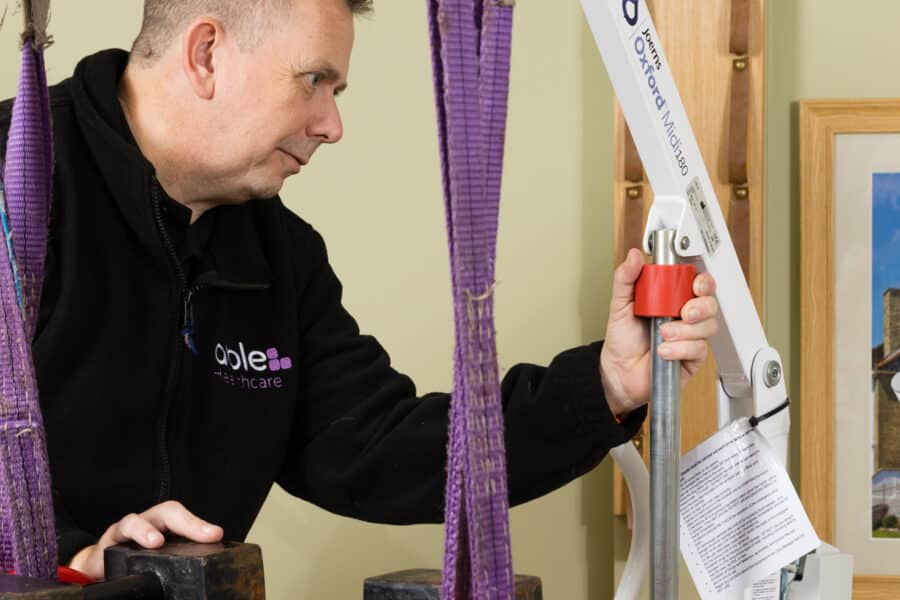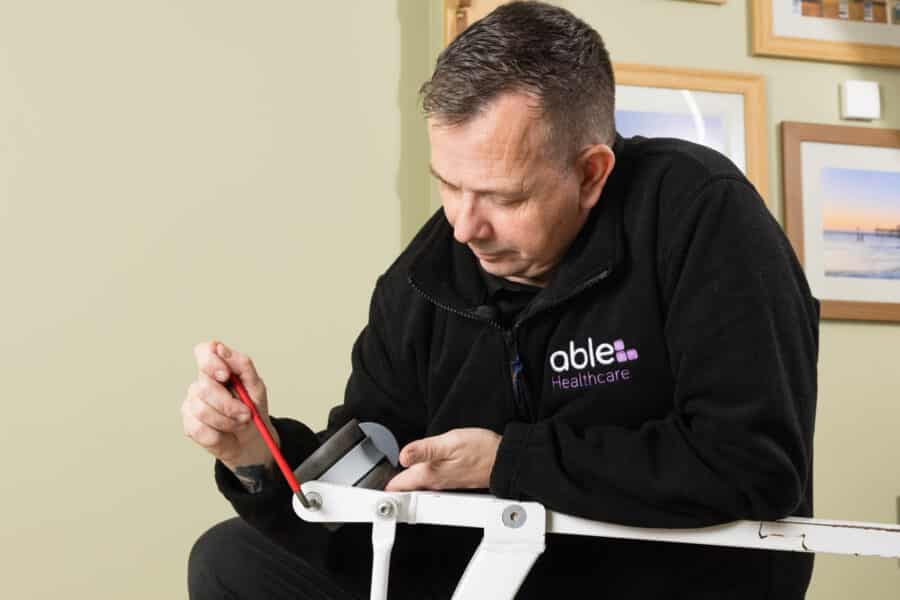


LOLER responsibilities sit firmly with care home management. While staff use lifting equipment daily, managers remain accountable for how lifting operations stay assessed, monitored, and controlled across the home. Inspectors look beyond individual actions and focus on systems, records, and oversight. As a result, LOLER compliance always reflects management control rather than frontline behaviour.
Care homes rely on lifting equipment to support safe care delivery. However, problems quickly arise when responsibilities feel unclear or fragmented. Documentation drifts, inspections lapse, and defects remain unresolved. Therefore, managers need a clear understanding of what LOLER requires in practice and how to maintain control without adding unnecessary workload.
This guide explains LOLER responsibilities for care home managers and shows how to meet them consistently, practically, and inspection-ready.
What LOLER Responsibility Means in a Care Home
LOLER responsibility does not mean managers personally inspect every hoist or supervise every lift. Instead, it means managers ensure robust systems exist and function reliably.
In care homes, lifting equipment includes mobile hoists, ceiling track hoists, slings, stand aids, bath hoists, and specialist lifting devices. These items support resident care but also introduce risk when poorly managed. Because of this, LOLER places clear duties on employers and those in managerial control.
Managers remain responsible for ensuring:
-
lifting equipment receives inspection at the correct intervals
-
defects get reported, recorded, and resolved
-
staff receive appropriate training
-
documentation remains accurate and accessible
-
daily practice aligns with written procedures
Even when tasks sit with others, accountability stays with management.
If you feel unclear about where LOLER responsibility sits within your home, speak with Able to review your current lifting compliance systems and identify any gaps.
Understanding the Manager’s Role Under LOLER
Managers act as the link between policy and practice. While frontline staff follow instructions, managers create the structure that makes safe lifting possible.
This role includes:
-
approving which lifting equipment enters service
-
appointing competent persons to carry out LOLER inspections
-
confirming inspection schedules remain current
-
ensuring staff receive training appropriate to the equipment in use
-
monitoring compliance through checks and audits
When managers treat LOLER as a system rather than a checklist, compliance becomes easier to sustain. In contrast, unclear responsibility often leads to missed inspections and inconsistent controls.
Identifying Lifting Equipment Covered by LOLER
Care homes use a wide range of equipment that falls under LOLER. Although hoists receive most attention, other items also require oversight.
Common LOLER equipment includes:
-
mobile and ceiling track hoists
-
slings and lifting accessories
-
bath hoists and height-adjustable baths
-
stand aids and transfer devices
Managers must ensure each item has a clear inspection record and remains suitable for use. Introducing new equipment without updating inspection arrangements often creates compliance gaps.
Managers strengthen oversight by linking LOLER systems to wider equipment servicing and LOLER testing, ensuring lifting equipment remains part of a single compliance framework rather than an isolated task.
LOLER Inspections: What Managers Must Ensure
LOLER inspections form the foundation of compliance. Managers must ensure inspections occur at legally required intervals and follow recognised standards.
In care homes, inspections usually take place:
-
every six months for equipment lifting people
-
every twelve months for other lifting equipment
-
immediately after significant repairs or alterations
Managers must confirm that:
-
inspections happen on time
-
reports remain available and easy to access
-
defects receive clear actions and timescales
-
equipment gets removed from service when necessary
Inspection reports should never sit unused. Managers need to review findings and confirm corrective action takes place promptly.
Employer and Manager Responsibilities Under LOLER
LOLER places duties on employers, but in practice, managers deliver compliance on their behalf. This distinction matters during inspections.
Employers must:
-
provide safe lifting equipment
-
appoint competent inspection providers
-
ensure staff receive training
Managers must:
-
implement employer policies locally
-
monitor inspection schedules
-
manage defects and downtime
-
maintain accurate records
-
ensure staff follow procedures
Clear separation of these roles prevents confusion. When responsibility blurs, inspections often expose gaps in accountability.
Managing LOLER Compliance Through Daily Operations
LOLER compliance works best when it integrates into daily routines rather than operating separately. Managers can achieve this by embedding checks into existing workflows.
Effective approaches include:
-
incorporating lifting equipment checks into shift routines
-
aligning LOLER oversight with care home cleaning operations to support safe environments
-
using checklists to confirm equipment availability and condition
-
scheduling inspections alongside other compliance reviews
When systems support staff rather than interrupt them, compliance improves naturally.
Common LOLER Failures in Care Homes
Most LOLER failures arise from system breakdowns rather than neglect. Understanding common issues helps managers prevent them early.
Typical failures include:
-
missed inspection dates
-
outdated or incomplete inspection reports
-
unresolved defects
-
staff using equipment without appropriate training
-
unclear responsibility for follow-up actions
Managers reduce these risks by scheduling regular reviews and documenting decisions clearly. Small, proactive checks often prevent serious compliance issues later.
If inspections repeatedly highlight lifting equipment concerns, Able can help you strengthen LOLER oversight and resolve issues before they escalate.
LOLER Responsibilities During Inspections
Inspectors assess LOLER by reviewing evidence of control and understanding. They expect managers to explain how lifting risks stay identified, managed, and reviewed.
Managers should ensure:
-
inspection reports match equipment in use
-
defect records show clear follow-up
-
staff understand safe use procedures
-
documentation remains current and accessible
Preparation reduces inspection stress. When systems run consistently day to day, inspections simply confirm what already works.
Managers often link LOLER oversight with cleaning audit preparation for care homes, ensuring lifting equipment safety forms part of broader inspection readiness.
Maintaining LOLER Compliance Without Increasing Workload
Many managers worry that LOLER adds administrative burden. In practice, well-designed systems reduce workload rather than increase it.
Clear inspection schedules reduce chasing. Consistent records reduce duplication. Integrated routines reduce disruption.
Managers maintain control by:
-
using clear responsibility ownership
-
aligning LOLER with existing compliance systems
-
reviewing reports regularly rather than reactively
-
focusing on system quality over paperwork volume
When managers focus on oversight rather than micromanagement, LOLER becomes manageable and sustainable.
If managing LOLER alongside daily pressures feels difficult, speak with Able to review your current lifting compliance approach and identify practical improvements.
External Guidance for LOLER in Care Homes
Managers should refer to authoritative guidance when reviewing LOLER responsibilities. The Health and Safety Executive provides clear, up-to-date information on LOLER requirements and inspection standards. Using trusted guidance supports confident decision-making and reinforces compliance systems.
Final Accountability for Care Home Managers
LOLER responsibilities ultimately sit with care home managers. While tasks can be delegated, accountability remains central. By understanding LOLER as a management system rather than a technical task, managers protect residents, staff, and the organisation.
Strong LOLER systems support safe care delivery, smoother inspections, and greater confidence across teams.
Frequently Asked Questions About LOLER Responsibilities for Care Home Managers
How often must lifting equipment be inspected under LOLER?
Equipment lifting people requires inspection every six months, while other lifting equipment requires inspection every twelve months, unless circumstances require more frequent checks.
What lifting equipment falls under LOLER in care homes?
LOLER covers hoists, slings, lifting accessories, bath hoists, and other equipment used to lift or support residents.
What happens if LOLER responsibilities are not managed properly?
Poor management can lead to inspection failures, enforcement action, increased risk of injury, and disruption to care delivery.
How can managers maintain LOLER compliance without extra workload?
Managers achieve this by integrating LOLER oversight into existing routines, maintaining clear records, and reviewing systems regularly rather than reacting to issues.