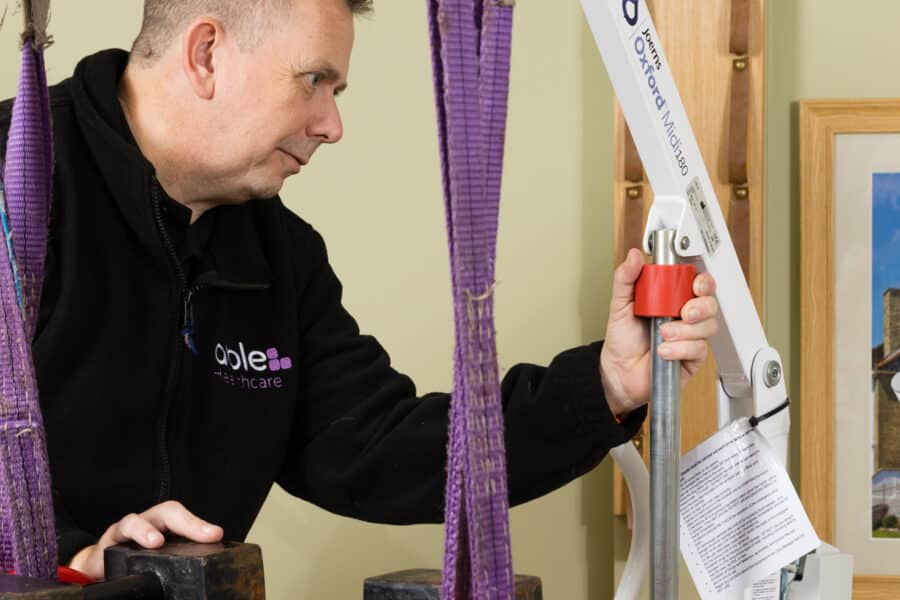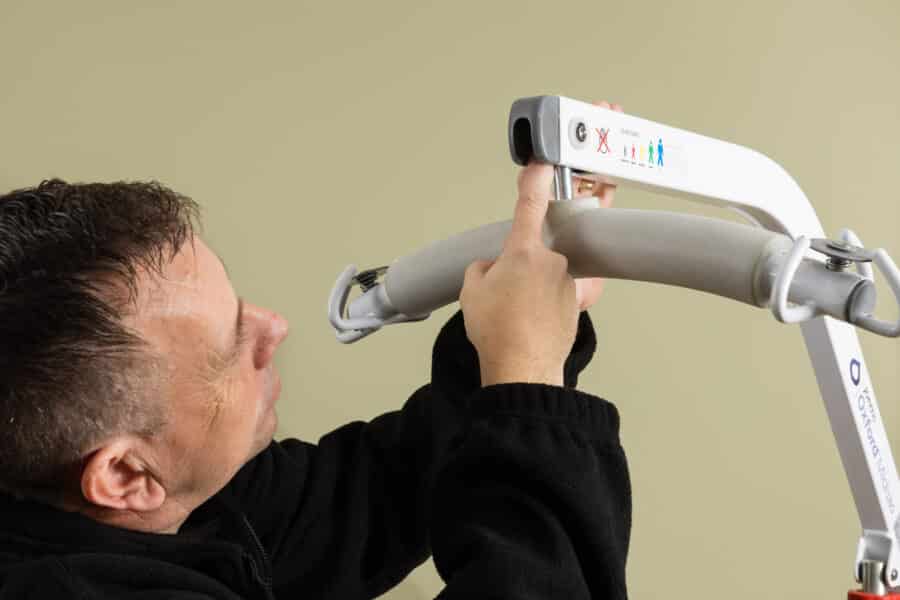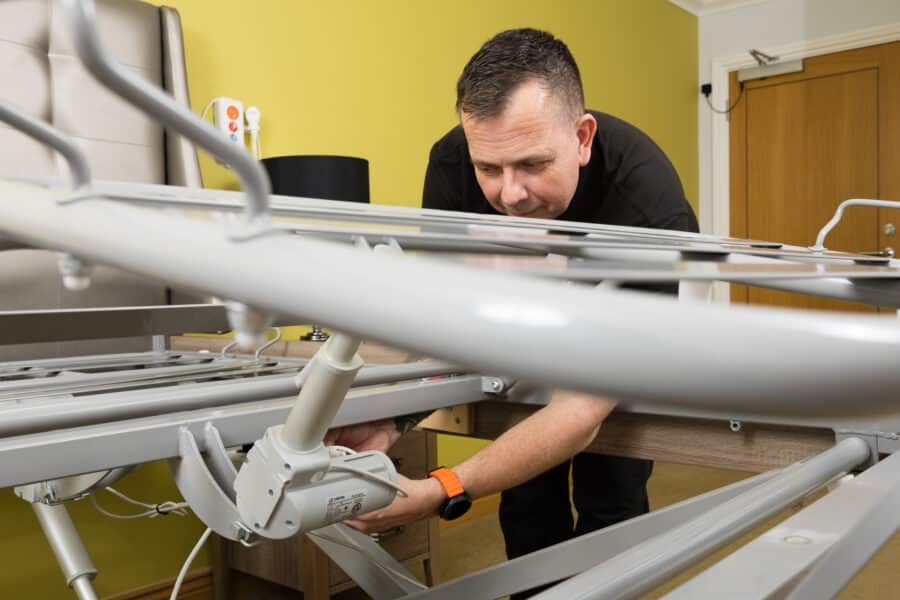


Staying on top of LOLER (Lifting Operations and Lifting Equipment Regulations) is essential in any care setting, but paperwork can easily get lost in the day-to-day pressures of running a busy home. Missing certificates or inspection dates can lead to serious compliance risks, especially during CQC inspections. This guide offers simple, effective LOLER record keeping tips to help care homes stay organised and compliant.
Why LOLER Records Matter
Care homes must ensure all lifting equipment, including hoists, slings, stand aids, and bath lifts, is inspected at least every six months by a competent professional. But the inspection alone is not enough. Records must prove what was checked, when it was checked, what was found, and what action was taken.
It is also important to understand what the inspection includes. For example, not all providers carry out full LOLER hoist testing with safe working load checks, meaning equipment may not be tested at its maximum rated capacity. Knowing the difference helps ensure your records reflect genuine safety, not just basic compliance.
You also need to:
- Keep written LOLER reports on file
- Ensure certificates are accessible and up to date
- Present records quickly during audits or inspections
- Act promptly on any faults or advisories
Need support managing your LOLER records?
7 LOLER Record Keeping Tips for Care Homes
1. Use Clear Asset Tags
Label each piece of lifting equipment with a unique tag or serial number. Avoid vague names like “Hoist 1”. Use asset codes, locations, or equipment IDs so every item is easy to identify.
2. Create a Central Record File
Maintain a dedicated folder, either physical, digital, or both, where all LOLER certificates are stored. Separate current reports from expired ones and organise records by equipment type or asset number.
3. Track Due Dates With a Simple Spreadsheet
Use a basic tracker with these columns:
- Equipment name or ID
- Last inspection date
- Next due date
- Notes or advisories
- Action owner
- Completion status
This makes it easier to see what is due, what has been completed, and what still needs attention.
4. Set Calendar Alerts
Digital calendars are useful for preventing missed inspections. Set reminders 30–45 days before each item’s next inspection is due. This gives you enough time to schedule testing without risking a compliance gap.
5. Back Up Everything Digitally
Even if you keep paper records, scan and store them in a secure digital folder. Cloud storage makes certificates easier to access, share, and protect against loss.
Interested in how our online platform simplifies digital LOLER record keeping?
6. Train More Than One Person
Make sure at least two staff members understand how to find and manage LOLER records. This avoids delays if a key person is off sick, on leave, or unavailable during an inspection.
7. Let Able Handle It for You
If staying on top of LOLER paperwork feels like one job too many, Able can help take it off your plate. Our online portal gives care homes access to:
- A full history of every item we inspect
- LOLER certificates stored and downloadable at any time
- Records of past faults, repairs, and engineer notes
- A clear view of upcoming inspections and due dates
Everything is in one place: secure, accessible, and always up to date. No spreadsheets, no chasing, no unnecessary stress.
Explore our LOLER servicing and equipment testing, or book a consultation with our team.
Prefer to speak directly? Call us on 01953 885661 for LOLER record keeping support.
FAQs: LOLER Record Keeping for Care Homes
Why is LOLER record keeping so important?
Accurate LOLER records prove compliance during CQC inspections and help track when equipment needs reinspection. Missing reports or expired certificates can put residents and the home at risk.
What should be included in a LOLER record?
A complete record should include the equipment ID, inspection dates, next due date, engineer’s notes, and any advisories or repairs. Storing these reports in one accessible place helps prevent compliance gaps.
How can care homes stay organised with LOLER reports?
Create a central digital folder for certificates, backed up in the cloud. Add calendar reminders 30–45 days before inspections are due, and track assets using a simple spreadsheet or tagging system.
Who should manage LOLER records in a care home?
Ideally, at least two trained staff members should understand how to locate and maintain LOLER files. This ensures continuity when someone is away and keeps the home inspection-ready.
What happens if LOLER records are missing during a CQC inspection?
If reports can’t be produced, it may lead to a compliance breach. Inspectors could issue an advisory or enforcement action depending on the severity of the gap.
How can Able help with LOLER compliance?
Able offers a secure online portal where care homes can access inspection histories, certificates, fault reports, and upcoming due dates — all in one place, helping simplify LOLER management.