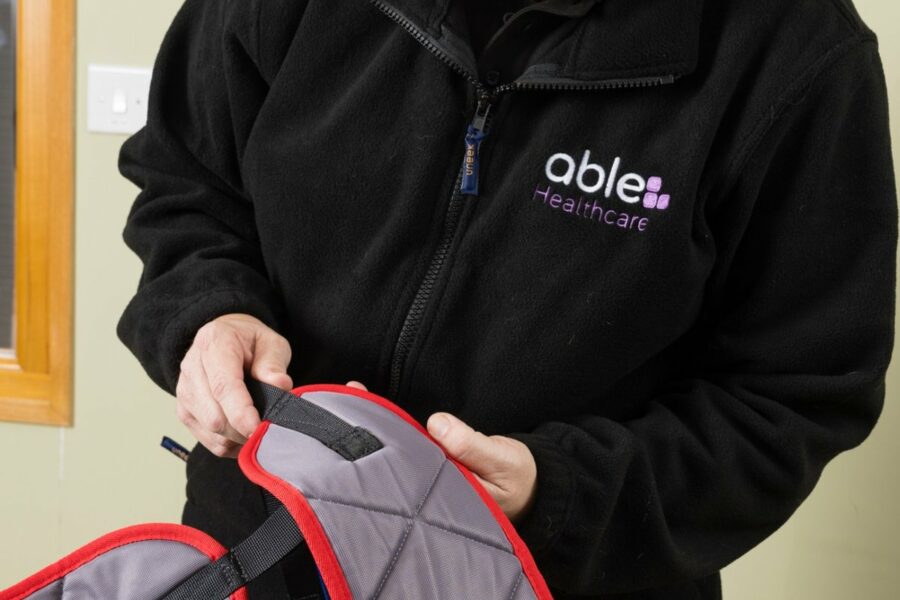


Slings play a vital role in safe resident handling, which means understanding how to wash slings correctly matters every single day. Clean slings protect residents, support infection control, and keep lifting equipment safe for use. Because slings sit directly against the skin and can absorb sweat, moisture, and bodily fluids, the right washing process helps maintain hygiene while extending sling lifespan.
However, washing alone isn’t enough. LOLER checks, correct storage, and consistent day-to-day care all influence sling safety too. This guide explains how to wash slings, how often to wash them, what temperatures to use, the right drying method, and the common mistakes to avoid.
Concerned your laundry process or sling care routine could be damaging equipment?
Can a Sling Be Washed in a Washing Machine?
Most slings can be washed in a standard washing machine, although every sling model uses different materials. Always start by checking the care label. The label tells you the maximum wash temperature, which chemicals can be used, and whether the sling can go in a dryer.
How to Wash Slings: Step-by-Step
Although manufacturer instructions vary, most sling care routines follow a similar process. These steps help care home teams wash slings safely and consistently.
1. Check the Sling Label
Check the label before every wash. This prevents heat damage, supports correct cycle selection, and confirms whether chemical disinfection is allowed.
2. Remove Visible Contamination
Before washing, remove any solids or bodily fluids according to your infection-control procedures. This protects staff and prevents machine contamination or blockages.
3. Use a Sling-Only Wash
Avoid washing slings with clothing, bedding, or towels. Slings require controlled cycles and careful dosing. Washing them separately protects the fabric and reduces the risk of cross-contamination.
4. Choose the Correct Wash Cycle
Common sling wash temperatures include:
- 40°C for general washing
- 60°C for hygiene cycles, where permitted
- 71°C for 3 minutes for thermal disinfection, only if the manufacturer allows it
Some slings require low-temperature chemical disinfection instead. Always match the wash cycle to the sling label.
5. Use the Correct Laundry Chemicals
Correct dosing protects sling fibres. Too much detergent can leave residue, while under-dosing reduces cleaning performance. If your care home uses lifting equipment daily, sling washing should sit alongside wider equipment safety routines such as LOLER hoist testing.
6. Dry the Sling Safely
Never assume a sling can go in the dryer. High heat can weaken stitching and fabric. If the label does not clearly allow tumble drying, air-dry the sling indoors on a suitable rack. This may take longer, but it helps keep the sling safe for use.
Need help reviewing your laundry process or chemical dosing?
How Do You Clean a Sling Between Washes?
When a full wash is not possible, clean the affected area using warm water and a neutral detergent, following the manufacturer’s guidance. This can help remove small spills and keep the sling comfortable. However, spot cleaning should not replace a proper wash when the sling is soiled or exposed to bodily fluids.
How Often Should You Wash Slings?
Most slings should be washed at least weekly, but they must be washed immediately if visibly soiled, exposed to bodily fluids, or developing an odour. Because sling condition affects safe use, washing routines should work alongside inspection routines such as a LOLER Sling Test Procedure.
Can You Wash Lifting Straps?
Yes, lifting straps can usually be washed, but they follow the same principles as slings. Check the label, avoid harsh chemicals, choose the correct temperature, and allow them to dry fully before use.
Can You Get a Sling Wet?
Most slings can get wet during washing, bathing, or showering. The important part is drying them fully before storage. Damp storage can cause odour, mould, and fibre damage, so slings should always be completely dry before being put away.
Need support with sling safety, washing routines, or LOLER compliance?
Call us on 01953 885661, or contact our team below.
Can Slings Go in the Dryer?
Some slings allow tumble drying on low heat, while others do not. High heat can damage fibres and stitching, so always follow the manufacturer’s instructions. If in doubt, air-dry the sling.
How Long Do Slings Last?
A typical sling may last 12–24 months, but lifespan depends on:
- Wash temperature
- Drying method
- Frequency of use
- Storage practices
- Handling technique
- Manufacturer guidance
When staff understand how to wash slings properly, slings are more likely to last longer and remain in suitable condition between LOLER inspections.
How to Keep a Sling Smelling Fresh
Odour usually develops when moisture remains trapped in the fabric. You can reduce odours by:
- Washing promptly after use
- Drying thoroughly before storage
- Avoiding damp cupboards or enclosed storage while wet
- Using approved laundry chemicals only
- Removing slings from use if odours persist after washing
Fresh, well-maintained slings support resident dignity as well as infection control.
Common Mistakes When Washing Slings
Knowing how to wash slings also means avoiding the mistakes that damage them. Common issues include:
- Ignoring the care label
- Using bleach when not permitted
- Mixing slings with clothing or bedding
- Overloading the machine
- Using high-spin cycles when unsuitable
- Storing damp slings
- Tumble-drying when not allowed
These mistakes can weaken stitching, damage fabric, and increase the chance of a sling failing inspection.
Which Slings Cannot Be Machine Washed?
Some specialist slings, such as those with pressure-relief padding or complex internal structures, may require manual cleaning. In these cases, wipe them with warm water and detergent, then air-dry completely. Always check the care label first.
For broader practical care guidance, the NHS Practical Care Guide may also be useful.
How to Care for Slings Between Washes
Daily care helps keep slings safe for use. Before and after use, staff should check:
- Stitching
- Webbing strength
- Clip condition
- Label clarity
- Cleanliness
- Dryness
Good daily care prevents damage, extends sling lifespan, and supports smoother LOLER inspections.
Final Thoughts
Understanding how to wash slings properly helps protect residents, staff, and equipment. By following the label, using the correct cycle, avoiding heat damage, and drying thoroughly, care homes can maintain safe, hygienic slings for daily use.
Washing should also be supported by routine checks, clear storage procedures, and scheduled LOLER inspections. Together, these habits help every sling remain safe throughout its working life.
For further guidance, explore:
FAQs: How to Wash Slings in Care Homes
2. What temperature should I use when I wash slings?
Most slings wash well at 40–60°C. Some allow 71°C for thermal disinfection, while others require low-temperature chemical disinfection. The label always tells you the correct setting, so follow it closely.
3. Can I tumble dry a sling after washing it?
Some slings tolerate cool tumble drying, but many do not. Because high heat weakens fibres, check the label first. When unsure, air-dry the sling indoors for complete safety.
4. How often should our team wash slings?
Wash slings at least once a week and immediately after any soiling or exposure to bodily fluids. Frequent washing supports infection control and keeps equipment comfortable for residents.
5. Can I wash slings with clothing or bedding?
No. Slings need their own wash cycle. Clothing can snag straps or damage stitching, so always run a separate sling-only wash.
6. How do I stop slings from smelling after washing?
Wash slings promptly, dry them fully, and avoid storing them damp. When the label allows it, use oxygen-based disinfectants to remove odours.
7. Will the way I wash slings affect LOLER tests?
Yes. Incorrect washing shortens a sling’s lifespan and leads to stitching damage. When you wash slings correctly and inspect them regularly, they pass LOLER checks more easily and stay safe for resident handling.