

What Is LOLER, and Why Does It Matter?
LOLER stands for the Lifting Operations and Lifting Equipment Regulations 1998. These rules require that all lifting equipment used to move people—including hoists and slings—is inspected regularly by a competent person. In care settings, this matters deeply. Residents rely on this equipment for safe transfers, and even a minor fault could result in injury. To understand the full legal responsibilities behind these inspections, our guide to care home LOLER regulations explains which equipment must be tested, how often examinations are required, and how care homes can stay fully compliant.
A LOLER sling inspection is a legal requirement for any care home using lifting slings to transfer residents. Slings used for transferring residents must be thoroughly examined at least every 6 months under LOLER regulations. Failing to carry out a compliant LOLER sling inspection can put residents at risk and lead to regulatory action.
Are Sling Inspections Covered by LOLER?
Yes. Slings are classed as lifting accessories under LOLER and are subject to the same inspection requirements as hoists. Because they directly support the person being lifted, any failure could result in serious injury. Regular LOLER sling inspection is therefore essential for both safety and regulatory compliance. Failing to inspect slings properly can expose residents to avoidable risk and leave providers vulnerable to enforcement action.
How Often Is a LOLER Sling Inspection Required?
Under LOLER regulations, slings used to lift people must be thoroughly examined at least every 6 months by a competent person who is independent of day-to-day use. This 6-month interval cannot be extended and must be formally documented in an inspection report.
In addition to the formal 6-monthly LOLER sling inspection, care home staff should:
-
Carry out a visual check before each use
-
Remove damaged slings from service immediately
-
Increase inspection frequency if equipment is heavily used
Is Your 6-Month LOLER Sling Inspection Due?
If your next inspection date is approaching — or you’re unsure when it was last completed — now is the time to check.
Our qualified engineers carry out compliant LOLER sling inspections for care homes, with full reporting and certification.
What Happens During a LOLER Sling Inspection?
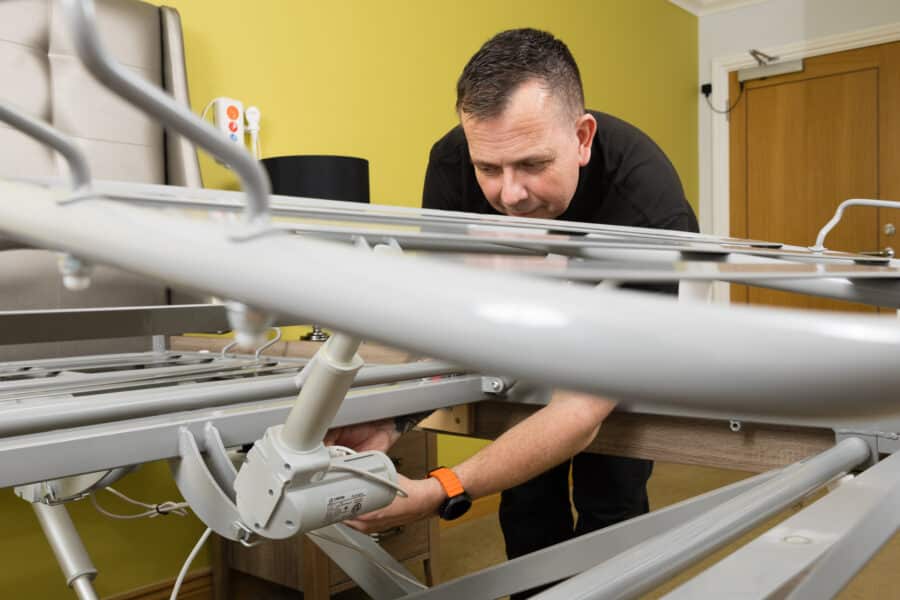
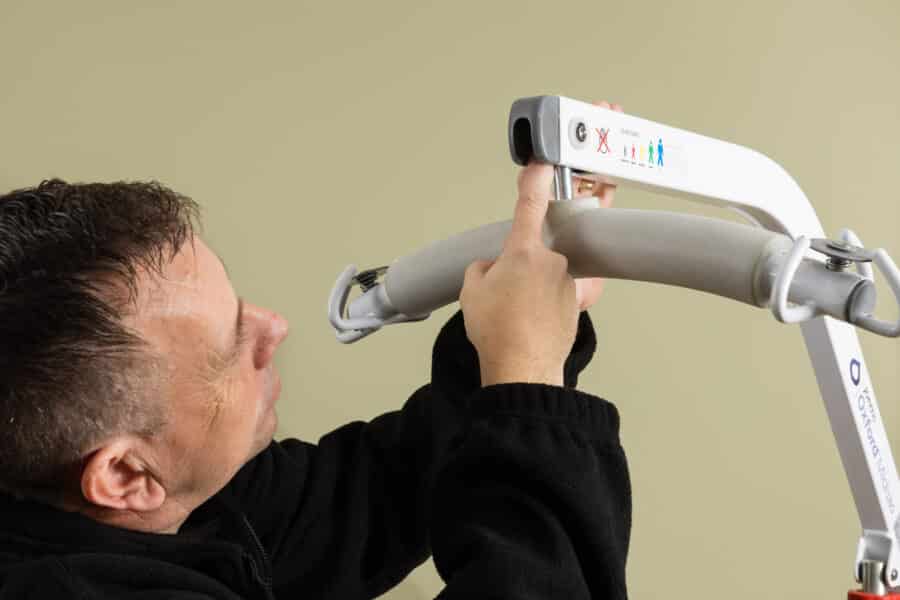
During a LOLER sling inspection, the examiner assesses whether the sling remains safe to lift residents and whether it continues to meet regulatory standards.
A competent inspector will typically:
-
Check stitching, webbing, and fabric for signs of wear
-
Verify that labels and safe working load markings are intact and readable
-
Confirm compatibility with the hoist system
-
Identify any defects requiring immediate removal from service
-
Record the inspection in a formal LOLER report. Any defects identified must be categorised and acted upon before the sling is returned to service, and in some cases the sling may need to be withdrawn immediately.
If defects are identified, the sling may need to be withdrawn from use immediately.
How to Stay Compliant (Without the Headaches)
Instead of treating LOLER checks as a last-minute scramble, make them part of your planned maintenance process. Here’s how:
- Schedule 6-month inspections in advance with a certified LOLER provider
- Tag slings with inspection dates and assign them to specific residents or rooms
- Train staff to carry out daily visual checks and log concerns immediately
- Keep inspection records accessible for CQC reviews or audits
By building LOLER into your care home routine, you avoid last-minute panic and improve resident safety.
During CQC inspections, providers may be asked to produce up-to-date LOLER sling inspection reports and evidence of defect management.
Common Mistakes (and How to Avoid Them)
Even well-run homes can make errors when it comes to LOLER compliance. Watch out for:
- Assuming the hoist is the only item needing inspection
- Using faded or unlabelled slings with unclear weight limits
- Failing to document inspections or keep logs up to date
- Allowing untrained staff to make visual safety judgments
Avoiding these pitfalls takes awareness, but it also builds confidence in your equipment and team.
Why Sling Inspections Deserve Attention
Slings are easy to overlook, especially when they appear clean or functional. However, wear and tear builds over time. A hidden weakness in a sling can lead to devastating consequences for a resident and legal risks for your home.
Staying proactive with LOLER sling inspections doesn’t just meet a regulation—it protects the people you care for every day.
Need Help with LOLER Compliance?
Able provides LOLER inspections for care homes, covering slings, hoists, and other lifting equipment. We offer scheduled visits, detailed reports, and friendly reminders so you never miss a deadline. Learn more here.
Stay Compliant with Scheduled LOLER Sling Inspections
Missing a LOLER sling inspection can lead to enforcement action, failed inspections, and unnecessary risk to residents.
We provide:
• 6-month thorough examinations
• Sling and lifting accessory checks
• Detailed compliance reports
• Defect identification and remedial guidance
If your sling inspections are due — or you need clarity on your current compliance status — we can help.
LOLER Sling Inspections in Care Homes FAQs
How often should LOLER sling inspections take place in care homes?
All slings used to lift people must be thoroughly inspected every six months by a competent LOLER inspector — and visually checked by staff before each use.
Who is responsible for LOLER sling inspections?
Care home managers are responsible for ensuring LOLER inspections are carried out on time and documented properly. Partnering with a certified provider like Able makes staying compliant easy.
What happens during a LOLER sling inspection?
A trained inspector checks stitching, webbing, labels, and weight limits to confirm the sling is safe. They’ll also issue a detailed report highlighting any slings that need repair or replacement.
Can care home staff do LOLER checks themselves?
Staff should perform daily visual checks for wear and damage, but formal LOLER examinations must be completed by a competent person — usually every six months.
What are the risks of missing a LOLER sling inspection?
Skipping or delaying inspections can lead to sling failure, injuries, or compliance breaches — all of which may impact your CQC rating and resident safety.
How can I make LOLER inspections easier to manage?
Keep a clear inspection schedule, tag each sling with its due date, and work with an external partner like Able for automatic reminders and inspection reports.
Where can I book a LOLER sling inspection?
You can arrange a professional LOLER inspection through Able’s care home equipment servicing team. Book your free consultation today to stay compliant and inspection-ready.