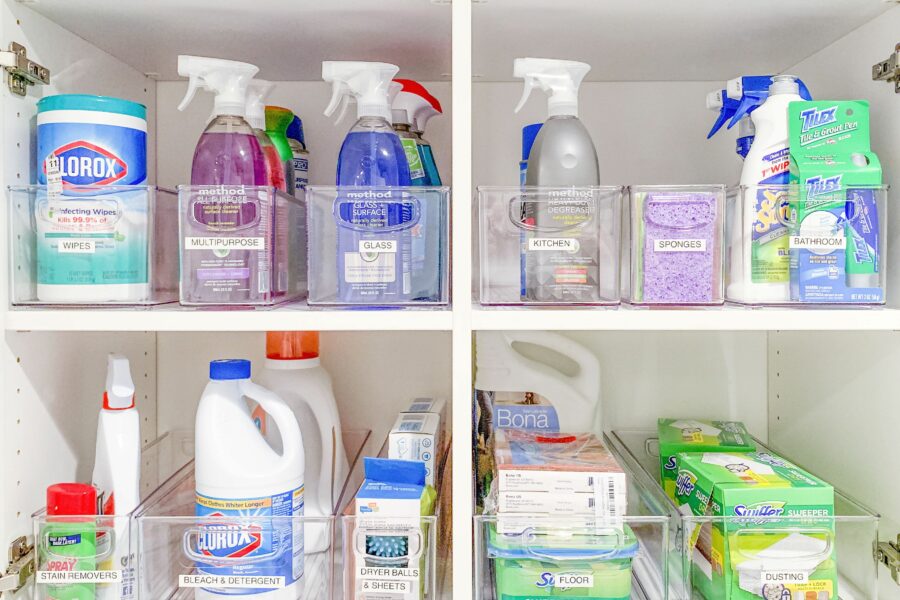


CQC care home inspections can feel stressful, even for experienced managers. However, with the right preparation, you can approach them with much more confidence. The Care Quality Commission looks at everything from staff records to infection control, and inspectors expect a consistently high standard. The good news is that preparation does not need to be complicated if you know where to focus.
In this article, we will walk through a practical checklist, highlight common pitfalls, and share useful resources to help your care home feel more inspection-ready.
If you are reviewing your current inspection readiness and want practical support around compliance, infection control, or equipment checks, we can help.
Why CQC Care Home Inspections Matter
CQC inspections are there to help ensure residents receive safe, effective, and compassionate care. They also give families confidence that their loved ones live in a home that meets national standards.
For managers, inspections are not just about compliance. They also affect reputation, staff confidence, and future occupancy. A positive report can build trust, while a poor one can damage your standing.
The best results usually come when managers treat inspection preparation as an ongoing process rather than a last-minute scramble.
Step 1: Understand What Inspectors Look For
CQC inspectors assess care homes against five key questions:
- Is the service safe?
- Is it effective?
- Is it caring?
- Is it responsive?
- Is it well-led?
Each area has its own criteria. Full details are available on the CQC website, but the most common problem areas tend to be staffing, record-keeping, equipment safety, infection prevention, and resident experience.
Step 2: Prepare Your Documentation
Paperwork is often where care homes come unstuck. Inspectors want clear evidence that policies are being followed consistently in practice. To prepare:
- Keep staff training records up to date, including infection control, moving and handling, safeguarding, and other mandatory areas
- Maintain health and safety policies and review them regularly
- Ensure risk assessments are current and signed off
- Store care plans in a way that makes them easy to find, review, and update
Many managers also find it useful to run a brief internal mock inspection. This can help reveal gaps before an inspector does.
Step 3: Focus on Equipment Safety
Inspectors will look at whether equipment is safe, maintained properly, and supported by the right documentation. In care homes, that often includes hoists, slings, and mobility equipment.
You can get ahead by making sure your LOLER and PUWER checks are up to date. These are legal requirements and are also a common inspection topic. If you need support, see our LOLER inspection checklist for care homes and our guide on LOLER vs PUWER.
Both resources explain what needs checking, how often, and who should carry it out. Up-to-date servicing records give inspectors confidence that resident safety is being taken seriously.
Step 4: Prioritise Cleaning and Infection Control
Infection prevention is always under close scrutiny. CQC inspectors will walk through your home and look closely at hygiene standards, so you need to show that cleaning is consistent, thorough, and documented.
A simple way to stay on track is by following a structured care home cleaning schedule. This helps ensure all areas, from communal spaces to high-touch surfaces, are cleaned regularly and recorded properly.
Laundry also plays an important role in infection control. Using the right chemicals and correct wash processes helps protect residents and staff. For more detail, see our guide to care home laundry chemicals.
If you want to strengthen cleaning systems, laundry processes, or infection-control evidence ahead of an inspection, we can help review your setup.
Step 5: Involve and Support Your Staff
Even the best policies mean very little if staff do not understand them. During an inspection, inspectors often ask team members direct questions about safeguarding, medication procedures, infection control, and emergency responses.
To prepare, managers should:
- Hold refresher sessions on key topics
- Encourage staff to ask questions where they feel uncertain
- Share inspection preparation openly so no one feels caught off guard
When staff feel supported, they are more likely to answer confidently and reflect the home well on inspection day.
Step 6: Improve Resident and Family Experience
CQC inspections also look closely at how caring and responsive the service feels. Inspectors may speak with residents and relatives, so their experience matters.
Managers can prepare by:
- Making sure residents have opportunities for meaningful activities
- Listening to feedback from residents and relatives
- Showing what changes have been made in response to that feedback
Small details, such as how staff greet residents or how flexible daily routines feel, can make a real difference. Inspectors want to see a home that feels person-centred, respectful, and well led.
Common Pitfalls to Avoid
Even well-run homes can lose points through avoidable gaps. Common examples include:
- Incomplete records: training logs or risk assessments left unfinished
- Out-of-date servicing: missing LOLER certificates or overdue equipment checks
- Poor cleaning evidence: relying on verbal confirmation instead of written schedules
- Unprepared staff: team members unsure about policies when asked
- Ignoring feedback: failing to act on resident or family concerns
Avoiding these issues is usually more about consistency than perfection. Regular internal reviews can catch problems before inspectors arrive.
Build a Culture of Continuous Readiness
The strongest homes do not prepare for CQC inspections once every few years. They build a culture of ongoing readiness instead. That means embedding compliance into daily routines, supporting staff properly, and treating inspections as an opportunity to demonstrate good practice.
Taking this approach helps reduce stress and improve everyday quality of care, not just performance on inspection day.
Final Thoughts
CQC care home inspections can seem daunting, but good preparation usually comes down to the same core areas: documentation, equipment safety, infection control, staff confidence, and resident experience.
If you are reviewing your current readiness and want practical support with compliance-related products, servicing, or infection-control processes, we are here to help.
FAQ’s on CQC Care Home Inspections
How can care homes show good infection control during CQC inspections?
Keep written cleaning schedules, ensure colour-coded systems are in place, and use approved laundry and disinfection products. Inspectors look for consistent, documented cleaning routines — not just visual cleanliness.
What documents do CQC inspectors check in care homes?
Inspectors usually request staff training certificates, health and safety policies, care plans, servicing records for lifting equipment, and evidence of infection control procedures.
How can staff prepare for CQC inspection questions?
Hold short refresher sessions on safeguarding, medication handling, emergency procedures, and daily routines. Confident, informed staff make a strong impression during spot interviews.
What are the most common mistakes during CQC inspections?
Typical pitfalls include missing records, outdated maintenance certificates, unclear cleaning evidence, and unprepared staff. Addressing these early can prevent compliance points being lost.
How can Able help care homes prepare for CQC inspections?
Able supports care homes with infection control products, LOLER testing, cleaning systems, and consultation services — helping managers meet CQC standards with confidence.