

Care homes rely on a variety of lifting equipment every day — from hoists to slings — to keep residents safe and comfortable. But using this equipment comes with a legal responsibility. Under the Lifting Operations and Lifting Equipment Regulations 1998 (LOLER), care homes must ensure that all lifting equipment is safe, well-maintained, and regularly inspected. Using a structured LOLER inspection checklist helps care homes prepare for 6-monthly thorough examinations, reduce the risk of non-compliance, and avoid costly enforcement action. The good news is that with the right preparation, your care home can pass inspections smoothly and keep residents protected.
Why LOLER Matters in Care Homes
LOLER is not just about ticking a compliance box. It’s about protecting residents, staff, and visitors from injury. The regulations apply to any equipment used for lifting people, which in care homes usually means:
-
Mobile hoists
-
Ceiling track hoists
-
Standing aids
-
Slings and lifting accessories
The law requires a thorough examination at least every six months for equipment used to lift people. This six-month interval cannot be extended and must be carried out by a competent person independent of day-to-day use, with findings documented in an official LOLER report.
For full details, visit the HSE LOLER guidance.
Preparing for Your Next 6-Month LOLER Inspection?
If your next thorough examination is approaching, now is the time to review your records, lifting equipment, and sling condition.
Our qualified engineers carry out compliant LOLER inspections for care homes, including full reporting and certification.
What Inspectors Look for During a LOLER Examination
During a thorough examination, a competent LOLER inspector will typically review:
-
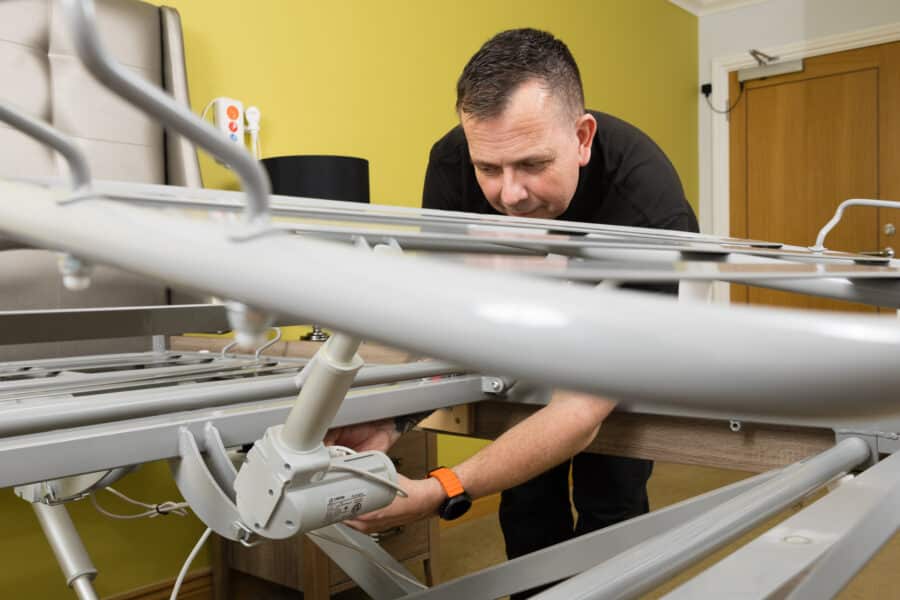
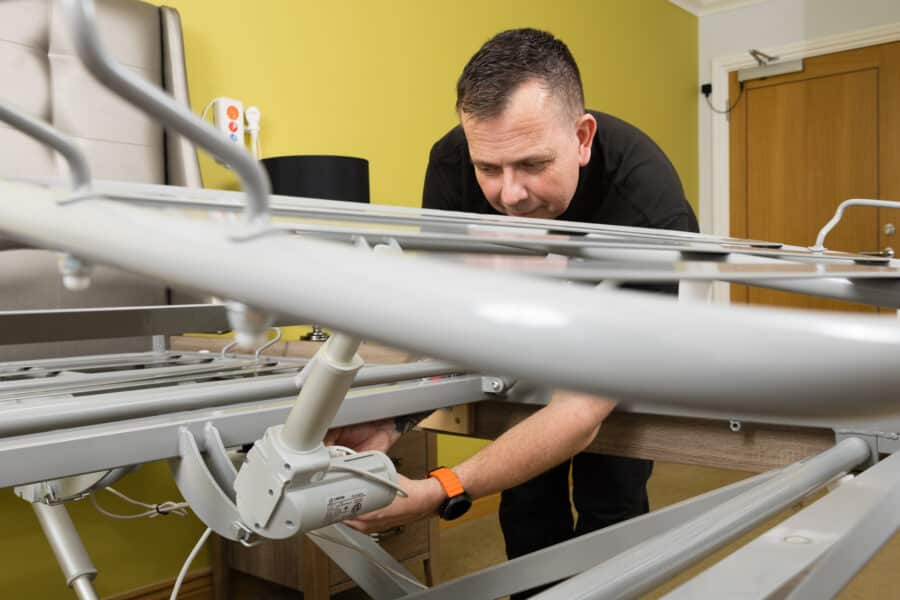
Physical condition of hoists and lifting equipment
-
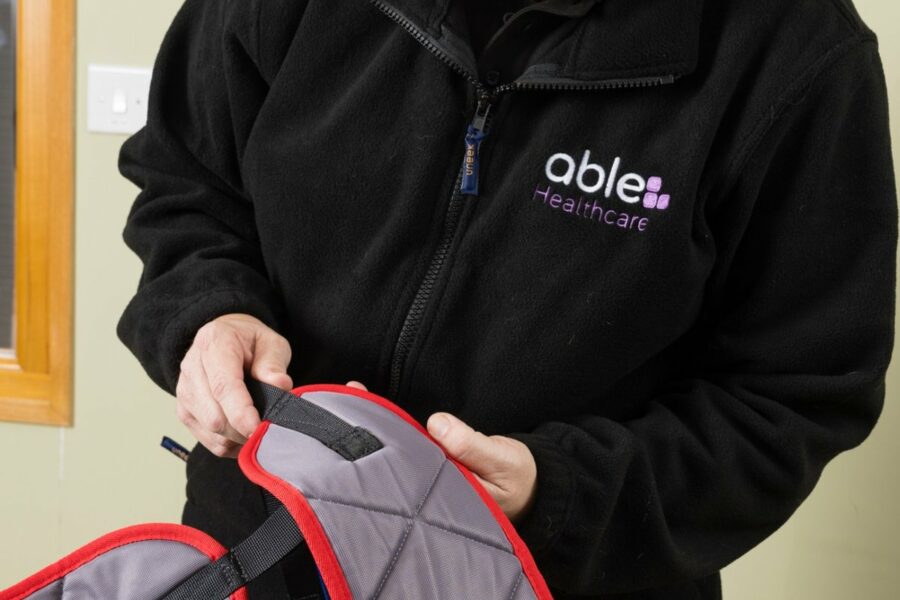
Integrity of slings and lifting accessories
-
Safe working load markings
-
Evidence of previous defects and repairs
-
Service history and maintenance records
-
Correct identification and tagging of equipment
If documentation is missing or equipment shows signs of wear, inspectors may issue defects requiring immediate action.
Your LOLER Inspection Checklist
Use this audit-ready checklist to review your equipment, documentation, and maintenance processes before your next 6-monthly examination.
1. Keep Thorough Records
Maintain up-to-date documentation for every piece of lifting equipment, including:
-
The last inspection date
-
The next inspection due date
-
Any repairs or servicing completed
-
Manufacturer’s instructions
Inspectors will expect records to be easily accessible and up to date. Missing documentation is one of the most common reasons care homes receive advisory notices. Keeping these records organised makes inspection day much smoother.
2. Inspect Equipment Between Services
Staff should visually check equipment before each use. Look for:
-
Frayed or worn sling straps
-
Damaged castors or wheels
-
Loose bolts or fittings
-
Battery charging issues
If you spot a problem, take the equipment out of use immediately and arrange repairs.
3. Schedule Timely Servicing
Never wait until inspection day to discover a fault. Booking equipment servicing and LOLER testing in advance ensures problems are fixed before they can delay compliance.
4. Store Equipment Safely
When not in use, hoists and slings should be stored in a clean, dry area. Damp conditions can lead to rust or fabric damage, both of which can result in a failed inspection.
While hoists often receive the most attention, slings are equally critical to LOLER compliance and are subject to their own inspection requirements. Our guide to LOLER sling testing in care homes explains how often slings must be examined, what inspectors look for, and how care homes can avoid common failures related to lifting accessories.
5. Train Staff on Proper Use
Even the best-maintained equipment can become unsafe if used incorrectly. Regular staff training reduces wear and tear and improves safety during lifting operations.
Common Reasons Care Homes Fail LOLER Inspections
Avoid these pitfalls to keep your inspection record spotless:
-
Using damaged or frayed slings
-
Missing inspection reports
-
Overdue six-month checks
-
Ignoring minor faults until they become major issues
Remember — a failed inspection doesn’t just mean downtime. It could also lead to resident safety risks and regulatory action.
Beyond equipment-specific compliance, inspectors increasingly assess how well care homes manage safety, governance, and risk overall. The CQC Single Assessment Framework explains how evidence from areas such as LOLER inspections contributes to wider judgements on safety, leadership, and quality of care during inspections.
Preparing Before the Inspector Arrives
In the days leading up to your scheduled examination:
-
Confirm all equipment is available and accessible
-
Ensure slings are correctly labelled and traceable
-
Remove damaged equipment from service
-
Organise documentation in one location
-
Notify staff of inspection date
Being organised not only speeds up the inspection process but demonstrates proactive compliance.
Benefits of Staying LOLER Ready
Care homes that stay proactive about LOLER compliance enjoy:
-
Better resident safety – Reduces risk of injury during transfers
-
Smoother operations – Avoids last-minute breakdowns or equipment shortages
-
Improved staff confidence – Staff can work more efficiently with reliable equipment
-
Positive inspection outcomes – Demonstrates a strong culture of safety and compliance
Final Thoughts
LOLER inspections are a legal requirement and an essential part of running a safe, compliant care home. With a clear checklist, regular maintenance, and good record-keeping, you can avoid stress on inspection day and focus on providing excellent care.
Stay Fully Compliant with Scheduled LOLER Inspections
Passing an inspection isn’t about luck — it’s about preparation.
We provide professional LOLER inspections for care homes, including:
• 6-month thorough examinations
• Sling and lifting accessory checks
• Detailed compliance reports
• Defect identification and remedial guidance
If your inspection is due — or approaching — we can help you prepare properly.
LOLER Inspection Checklist for Care Homes FAQs
2) How often are LOLER inspections required?
At least every 6 months for equipment that lifts people. Lifting gear not used for people is usually every 12 months.
3) Which equipment in care homes is covered by LOLER?
Mobile hoists, ceiling track hoists, standing aids, slings and lifting accessories, and related patient-lifting components.
4) Who can carry out a LOLER inspection?
A competent person—someone with the training, experience, and independence to examine lifting equipment and produce the report.
5) What documents should we have ready?
Previous LOLER reports, service/repair records, manufacturer instructions, asset register (model/serial), and next-due dates.
6) What’s the difference between servicing and a LOLER inspection?
Servicing maintains/repairs equipment. A LOLER inspection is a legal safety examination and certification; both are needed.
7) How should we prepare before the inspector arrives?
Charge batteries, clean and label equipment, ensure slings are paired with the correct hoists, and remove damaged items from use.
8) What causes care homes to fail LOLER?
Frayed/damaged slings, overdue six-month checks, missing paperwork, loose/worn parts, and poor storage that leads to corrosion or damage.
9) What happens if we fail a LOLER inspection?
The item must be removed from service until repaired and re-examined. The report will state defects and required actions.
10) How long does a LOLER inspection take?
Depends on the number and type of assets. Most homes allow a few minutes per sling and 15–30 minutes per hoist as a guide.
11) How long should we keep LOLER records?
Keep each thorough-examination report until the next one is completed at minimum; many homes retain at least 2 years for audit trails.
12) Can Able help with repairs and scheduling?
Yes—Able can schedule inspections, perform repairs, and keep digital records so you never miss a due date.