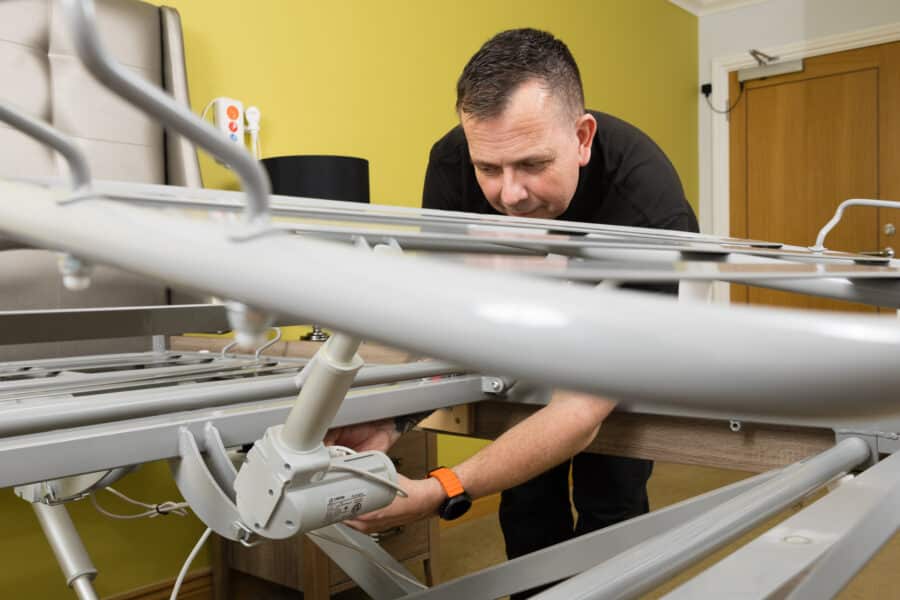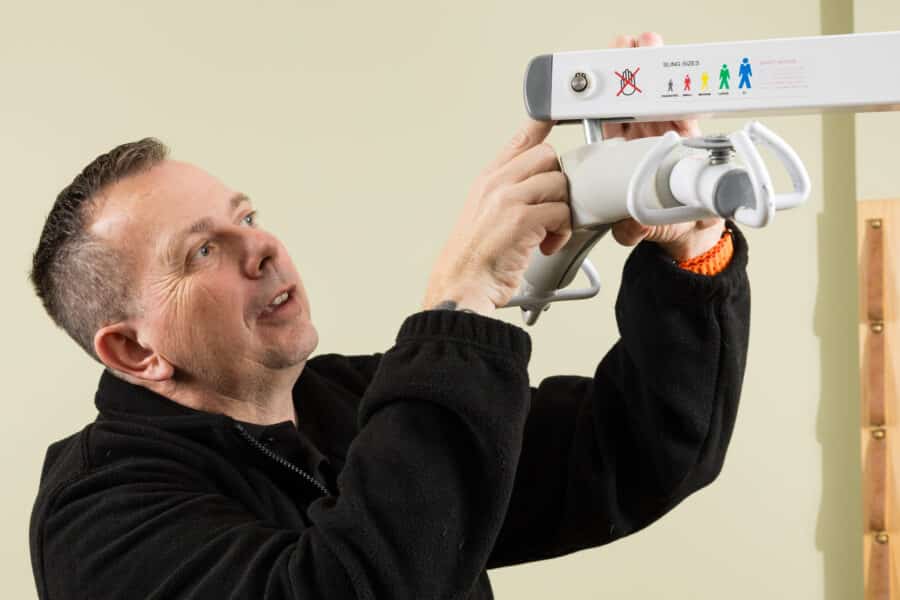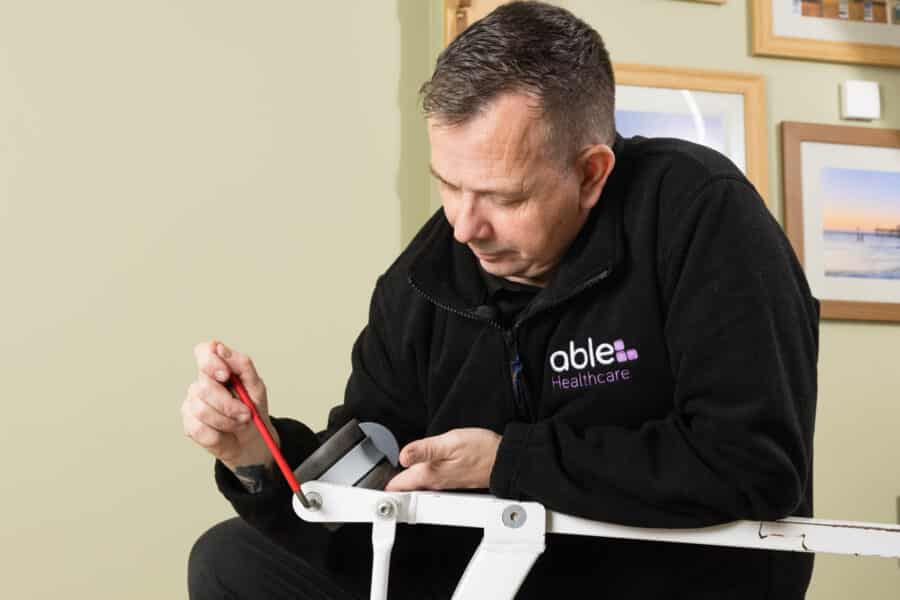


Marlon from Able here to talk about something I’m very passionate about: care home equipment maintenance. In our industry, keeping care equipment safe, reliable, and well maintained is vital for the residents and loved ones you support. However, let’s face it — things can and do go wrong. Often, those problems come from simple, avoidable mistakes.
That’s why I want to highlight some common care home equipment maintenance mistakes and help your team keep equipment functioning better, for longer.
Want help avoiding equipment maintenance pitfalls?
Common Care Home Equipment Maintenance Mistakes
1. Neglecting Regular Inspections
First and foremost, skipping regular inspections is one of the most common and preventable issues. Many people assume that if equipment appears to be working fine, it does not need servicing. However, regular and periodic maintenance is key to catching small issues before they become major problems.
Before your next six-monthly thorough examination, it is worth reviewing your documentation and equipment condition in a structured way. Our LOLER inspection checklist for care homes outlines exactly what inspectors look for and helps you prepare properly ahead of your next compliance visit.
It is also important to understand which regulations apply to your equipment. For a full breakdown of the legal duties involved, our guide to care home LOLER regulations explains which lifting equipment must be inspected, how often examinations are required, and what care homes must do to stay compliant.
In care homes, lifting equipment may fall under both LOLER and PUWER, each with different inspection and safety requirements. Our guide to the difference between LOLER and PUWER in care homes explains how these regulations overlap and what managers must do to stay compliant.
We offer a range of solutions, from asset management to LOLER test scheduling, to make this process as simple and stress-free as possible.
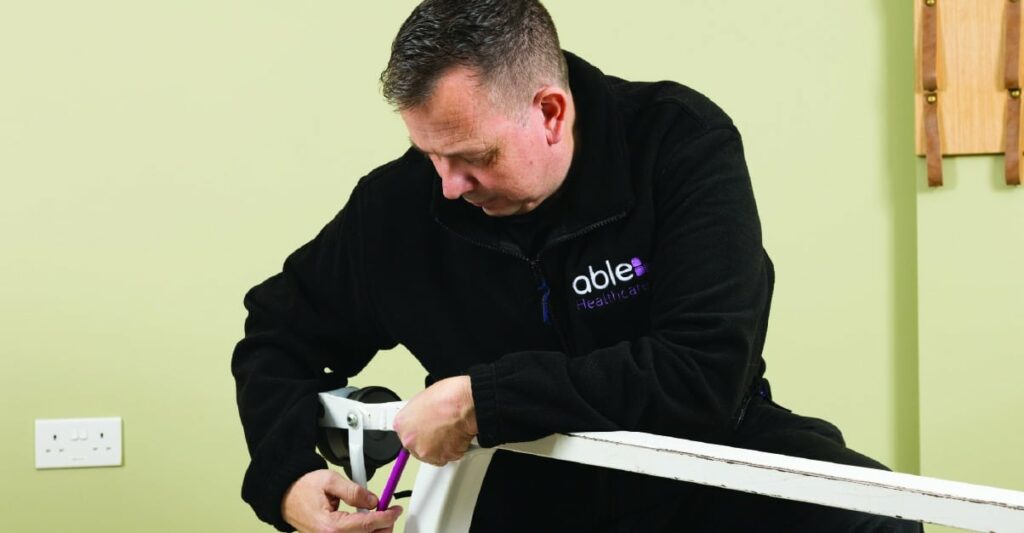
An Able engineer maintaining a hoist
2. Skipping Manufacturer Guidelines
Next, it is essential to follow the manufacturer’s maintenance instructions. Every piece of equipment has specific care requirements. Disregarding these can lead to inefficiencies, breakdowns, avoidable damage, and safety risks.
3. Overlooking Calibration
Another critical mistake is forgetting to calibrate equipment regularly. In healthcare and care environments, precision matters. Without proper calibration, equipment may deliver inaccurate readings or perform inconsistently, which can affect resident safety and day-to-day care quality.
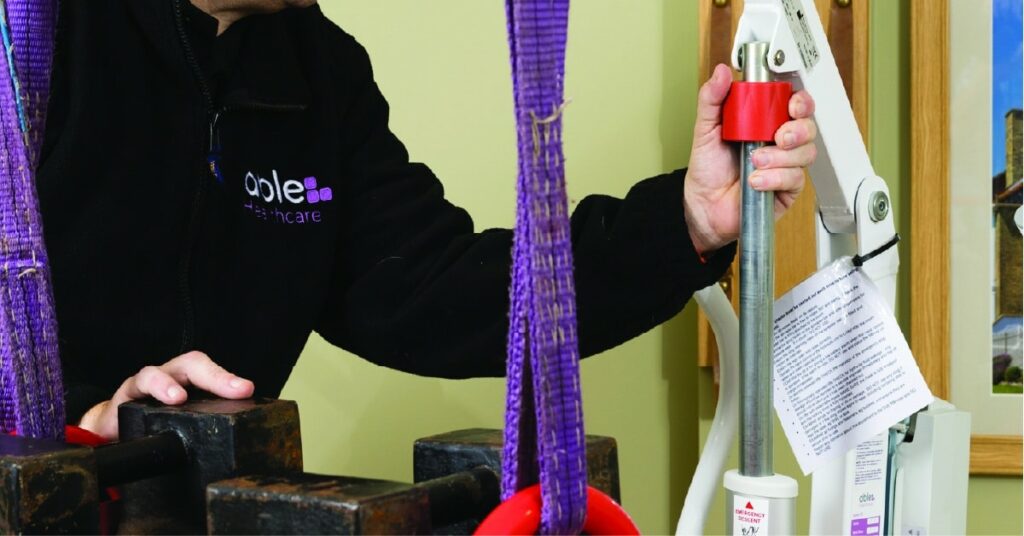
Calibration is an important part of care home equipment maintenance
4. Using Improper Cleaning Practices
Cleaning is more than just keeping equipment tidy. Effective cleaning is vital for infection control and extending equipment life. Using incorrect cleaning agents or poor cleaning techniques can damage delicate components, leave harmful residues behind, or reduce equipment performance over time.
Question of the day: why is care home equipment important? Find out here.
5. Ignoring User Training
It is equally important not to underestimate the value of staff training. Improper use is one of the leading causes of equipment breakdowns and early wear. Proper training ensures your team operates equipment safely, correctly, and confidently.
Need staff training or equipment-use support?
6. Failing to Document Maintenance
Maintenance records are often overlooked. However, they are more than just admin. They provide a clear service history, help identify repeat issues, and prove compliance during inspections or audits.
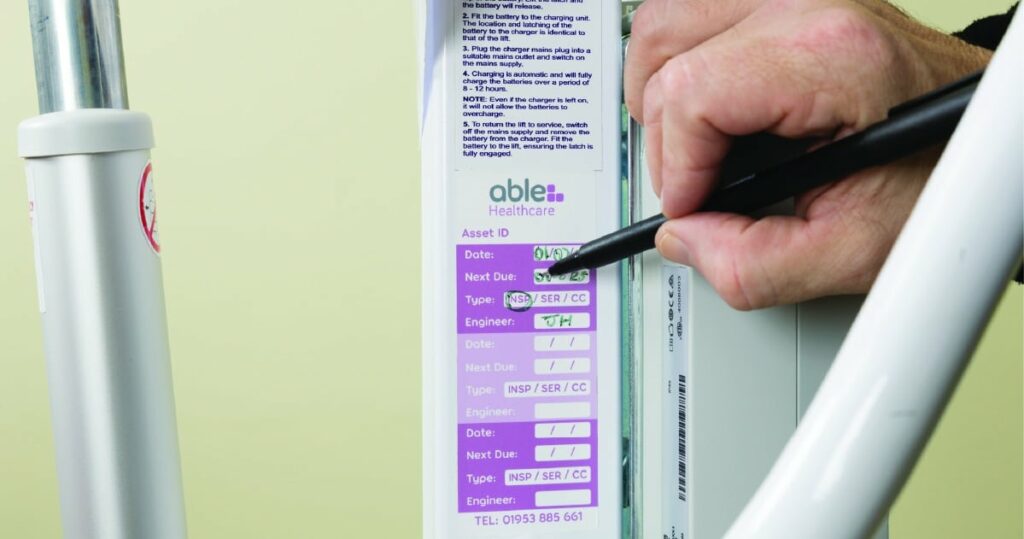
Able’s Asset Management System ensures an accurate equipment history
7. Neglecting Environmental Factors
Environmental conditions such as temperature, humidity, dust, and storage conditions can affect equipment performance. Failing to monitor these factors can lead to faster wear, corrosion, electrical issues, or sudden failures.
8. Delaying Repairs
Lastly, delaying necessary repairs can make problems worse. Addressing issues promptly helps prevent more serious damage, reduces downtime, protects residents, and saves money in the long run.
Our engineers are fully trained on equipment from trusted healthcare and care-home brands. Whether you need installation, routine servicing, LOLER inspections, PUWER checks, or urgent repairs, we are here to keep your equipment safe and reliable.
For a fuller picture of our equipment services, you can also download our LOLER Brochure: Beyond Compliance.
Need help keeping your care equipment safe, compliant, and reliable?
Care Home Equipment Pitfalls FAQs
What happens if manufacturer maintenance guidelines are ignored?
Skipping manufacturer instructions can cause breakdowns, reduce efficiency, and even create safety risks. Each piece of equipment has specific care requirements that should always be followed.
Why is calibration essential in care homes?
Calibration ensures equipment provides accurate readings. Without it, results can be misleading, which can affect diagnoses, treatment, and overall resident care quality.
How does cleaning impact care equipment?
Using the wrong cleaning agents or methods can damage sensitive components or leave harmful residues. Correct cleaning practices are vital for infection control and extending equipment life.
Why is staff training important for equipment use?
Improper use is one of the top causes of breakdowns and early wear. Training staff ensures equipment is used safely and correctly, protecting both residents and the equipment.
What is the value of keeping maintenance records?
Maintenance documentation provides a service history, helps identify recurring issues, and proves compliance during inspections. It’s a crucial part of effective equipment management.
How do environmental conditions affect equipment performance?
Factors like humidity, dust, and temperature can cause wear and sudden failures. Monitoring conditions helps prolong equipment lifespan and prevent unexpected downtime.
Why should repairs be done promptly in care homes?
Delaying repairs can make equipment problems worse, increase downtime, and raise costs. Prompt repairs keep equipment safe, reliable, and compliant.