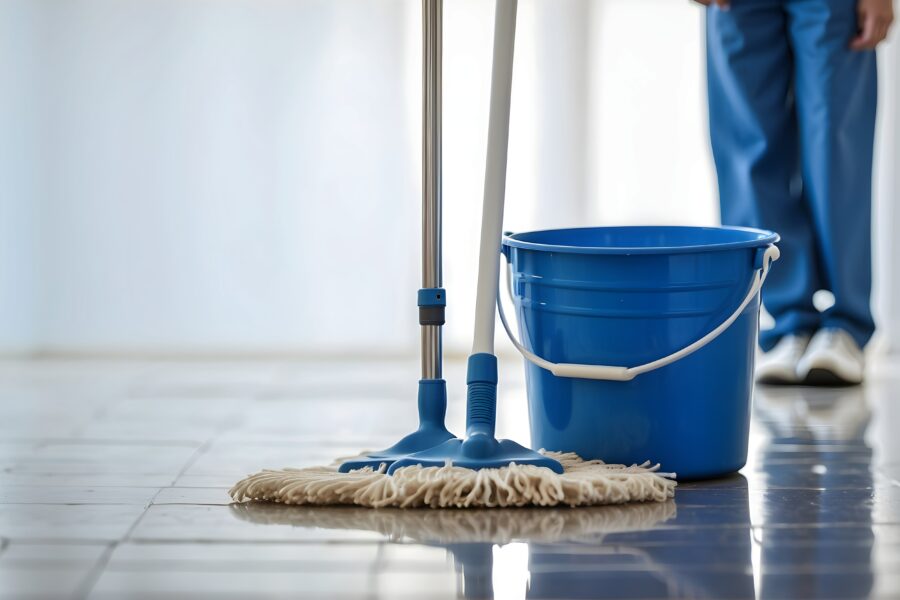


Professional cleaning products play an essential role in maintaining safe, hygienic and welcoming environments across a wide range of commercial settings. Unlike household cleaning products, they are designed for frequent use, larger premises and more demanding cleaning tasks.
In environments such as care homes, where cleanliness directly affects resident wellbeing, staff safety and infection prevention, choosing the right professional cleaning products is particularly important. Our guide to care home cleaning products explains the essential chemicals, consumables and equipment needed to support safe and consistent cleaning routines.
The best products do more than clean surfaces. They help standardise cleaning routines, improve efficiency and ensure staff have the right tools for every task.
Many organisations also combine professional cleaning products with cleaning colour coding systems to reduce the risk of cross-contamination and ensure equipment is used correctly throughout the building.
What Are Professional Cleaning Products?
Professional cleaning products are products specifically designed for commercial cleaning environments.
They are formulated to cope with frequent use, larger areas and more challenging cleaning tasks than most domestic products. While cleaning chemicals form a significant part of the range, professional cleaning products include much more than bottles of detergent or disinfectant.
A typical commercial cleaning product range may include:
- General purpose cleaners
- Floor cleaners
- Washroom cleaning products
- Kitchen cleaning products
- Disinfectants and sanitisers
- Laundry chemicals
- Colour-coded cloths and mop heads
- Gloves and personal protective equipment
- Paper products
- Waste sacks
- Cleaning accessories and consumables
Together, these products create a complete cleaning system that helps organisations maintain consistently high cleaning standards.
Why Professional Cleaning Products Matter
Every commercial environment has different cleaning requirements.
An office may focus on presentation and daily maintenance, while a hospitality venue needs products capable of dealing with food preparation areas and heavy footfall. Care homes present an even greater challenge, combining high-touch surfaces, communal living spaces and vulnerable residents.
Professional cleaning products help organisations:
- Maintain consistent hygiene standards
- Improve cleaning efficiency
- Reduce the risk of cross-contamination
- Support infection prevention procedures
- Protect different floor and surface types
- Improve staff productivity
- Meet regulatory expectations
Using appropriate products also makes it easier to deliver consistent results across different shifts and cleaning teams.
This is one reason why many organisations build their cleaning routines around documented care home cleaning schedules, ensuring products and procedures remain consistent throughout the building.
Types of Professional Cleaning Products
Most commercial facilities rely on a combination of different cleaning products, each designed for a specific purpose.
General Purpose Cleaners
General purpose cleaners are designed for everyday cleaning of desks, furniture, doors, walls and other hard surfaces.
They provide effective removal of everyday dirt and grime without damaging finishes when used correctly.
For many organisations, these products form the backbone of routine housekeeping.
Floor Cleaning Products
Floor cleaning products are selected according to the flooring material and the level of traffic the area receives.
Professional floor cleaners are commonly used on:
- Vinyl flooring
- Safety flooring
- Ceramic tiles
- Sealed hard floors
- Entrance areas
- Corridors
Using the correct floor cleaner helps maintain appearance while protecting the lifespan of the flooring.
Washroom Cleaning Products
Washrooms require specialist products capable of removing:
- Limescale
- Soap residue
- Watermarks
- Body fats
- General contamination
Many professional washroom products also help control odours while maintaining a clean, hygienic appearance.
Kitchen Cleaning Products
Commercial kitchens demand products that remove grease efficiently while supporting food hygiene standards.
Professional kitchen cleaning products commonly include:
- Degreasers
- Food-safe sanitisers
- Oven cleaners
- Dishwashing chemicals
- Surface cleaners
Choosing products specifically designed for food preparation areas helps maintain safe working environments.
Laundry Products
Professional laundry products are formulated to deliver consistent cleaning performance while protecting fabrics.
Depending on the application, they may include:
- Laundry detergents
- Fabric conditioners
- Destainers
- Biological and non-biological products
- Specialist infection-control laundry chemicals
Selecting suitable laundry products helps extend linen life while maintaining cleanliness and freshness.
Cleaning Consumables
Professional cleaning products extend beyond chemicals.
Many organisations rely on consumables including:
- Colour-coded cloths
- Mop heads
- Disposable gloves
- Paper towels
- Toilet tissue
- Hand soap
- Refuse sacks
These items are essential for maintaining efficient day-to-day cleaning operations.
Choosing Professional Cleaning Products
Not every commercial environment requires the same products.
The right range depends on several factors, including:
- The types of surfaces being cleaned
- Building occupancy
- Cleaning frequency
- Infection risks
- Staff experience
- Storage facilities
- Budget
For care environments, simplicity is often the best approach.
Rather than purchasing dozens of specialist products, many organisations benefit from a carefully selected range that staff understand and can use confidently.
Products should also be supported by clear procedures, suitable storage and regular
so staff understand how to use them safely.
Common Mistakes When Choosing Professional Cleaning Products
Many businesses make the mistake of buying products individually rather than building a complete cleaning system.
Common issues include:
Choosing products based on price alone
The cheapest product isn’t always the most economical. Products that require larger quantities or deliver inconsistent results often cost more over time.
Using too many different products
An excessive product range can confuse staff, increase stockholding and make training more difficult.
Ignoring staff training
Even the best products deliver poor results if they are used incorrectly.
Simple guidance and clear procedures often improve cleaning quality more than changing products.
Poor stock control
Running out of key products can disrupt cleaning routines and encourage unsuitable substitutions.
Regular stock reviews help ensure products remain available when needed.
Overlooking compatibility
Not every cleaning product is suitable for every surface.
Choosing products designed for the materials within the building helps protect flooring, furniture and fixtures while maintaining cleaning standards.
Best Practice for Managing Professional Cleaning Products
Professional cleaning products deliver the best results when they form part of an organised cleaning system.
That means selecting products carefully, storing them safely, training staff properly and reviewing cleaning routines regularly.
Many organisations also carry out regular cleaning audit checklists to ensure products are being used consistently and cleaning standards remain high across the building.
When products, procedures and staff training work together, organisations achieve cleaner environments, safer workplaces and more consistent results.
Professional cleaning products are an investment in the overall quality of your cleaning operation—not simply another item on the purchasing list.
Professional Cleaning Products FAQs
What products do professional cleaners use?
Professional cleaners typically use general purpose cleaners, disinfectants, washroom cleaners, floor cleaners, degreasers, laundry products, paper consumables, gloves and colour-coded cleaning equipment. The exact products depend on the type of building and the cleaning tasks being carried out.
Are professional cleaning products better than household products?
Professional cleaning products are formulated for more demanding commercial environments. They are often more concentrated, available in larger pack sizes and designed to deliver consistent results across a wide range of surfaces and cleaning routines.
What professional cleaning products are essential for a business?
Most businesses benefit from a core range of professional cleaning products, including surface cleaners, floor cleaners, washroom chemicals, hand hygiene products, paper consumables, waste sacks, gloves and colour-coded cleaning equipment. The range should reflect the building and the level of hygiene required.
How do you choose the right professional cleaning products?
The right products should be selected based on the surfaces being cleaned, the type of soiling, cleaning frequency and any industry-specific requirements. Choosing products that are easy to use and supported by clear cleaning procedures helps deliver more consistent results.
Are professional cleaning products suitable for care homes?
Yes. Professional cleaning products are widely used in care homes because they support effective infection prevention, help maintain high hygiene standards and provide consistent cleaning across bedrooms, communal areas, kitchens and washrooms.
Can professional cleaning products improve cleaning efficiency?
Yes. Using the right professional cleaning products reduces the time spent cleaning, improves consistency and helps staff complete tasks more effectively. When combined with suitable equipment and clear cleaning schedules, they can significantly improve operational efficiency.