

Cleanliness in care homes isn’t just about appearances—it’s a cornerstone of safety, infection control, and regulatory compliance. One of the most common questions asked by care staff and managers is: what is the ideal care home cleaning frequency? Our detailed guide to care home cleaning frequency standards and schedules explains how to structure daily, weekly, and high-risk area cleaning in line with compliance expectations.
Let’s break down how often key areas in care homes should be cleaned, what standards apply, and how to stay on top of daily tasks without letting anything fall through the cracks.
Why Care Home Cleaning Frequency Matters
Care homes are high-risk environments for cross-contamination. Residents often have weakened immune systems, which makes even common bacteria more dangerous. Regular, targeted cleaning minimises the spread of pathogens and protects everyone—from staff to visitors.
Additionally, the Care Quality Commission (CQC) and NHS Infection Prevention and Control (IPC) standards both highlight the need for consistent hygiene practices. Cleaning frequency isn’t a matter of preference—it’s a regulatory expectation.
Which Areas Need Cleaning Most Often?
The answer depends on usage and risk. Here’s a breakdown:
High-Touch Surfaces (Multiple Times Daily)
- Door handles
- Handrails
- Light switches
- Call bells
- Toilet flushes and taps
These areas can harbour bacteria and viruses, especially in shared or high-traffic zones. Cleaning them at least three times daily is recommended, and more frequently during outbreaks.
Toilets, Bathrooms, and Washrooms (At Least Daily)
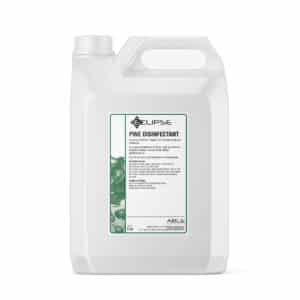
Able Eclipse 5 Litre Pine Disinfectant
These should be cleaned thoroughly once per day and spot-cleaned between uses if visibly soiled. Use a chlorine-based disinfectant or a product meeting EN 14476 standards.
Explore Able’s range of compliant disinfectants.
Communal Areas (Daily)
- Dining rooms
- Lounges
- Activity spaces
Clean all surfaces and furniture daily. Don’t forget items like remote controls, mobility aids, and lift buttons.
Resident Rooms (Daily + Weekly Deep Clean)
Clean general surfaces daily. Perform a weekly deep clean for each room, including bed frames, windowsills, and behind furniture. If a resident is ill, escalate cleaning frequency immediately.
Kitchens (Multiple Times Daily)
Care home kitchens are subject to Food Standards Agency (FSA) hygiene rules. Clean worktops, utensils, and equipment between uses and floors at the end of every shift.
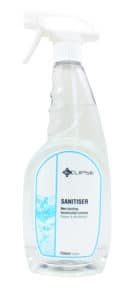
Able Eclipse Sanitiser
Visit Able for kitchen cleaning products
Maintaining a Care Home Cleaning Schedule
Having a written cleaning schedule ensures consistency and accountability. Use cleaning logs that identify:
- What should be cleaned
- How often
- Who is responsible
- What product should be used
Auditing these logs helps you track trends and prepare for inspections. Templates are available to help you get started. To strengthen your inspection readiness, it’s also important to take a structured approach to cleaning audit preparation for care homes. This ensures your documentation, schedules, and evidence align with what inspectors expect and helps you identify gaps before they become compliance issues.
We’ve created a care home cleaning schedule template covering:
-
Daily cleaning tasks
-
Weekly deep cleans
-
High-touch outbreak routines
-
Kitchen & bathroom compliance
Choosing the Right Products
Using the right chemical isn’t just about results—it’s about resident safety. All products should be:
- Clearly labelled
- COSHH assessed
- Stored securely
Use EN-standard products for disinfection and always follow contact time instructions. Microfibre cloths and disposable mop heads reduce contamination risks.
Tips to Stay On Track
- Train staff regularly on IPC practices
- Colour-code equipment to prevent cross-contamination
- Review cleaning schedules monthly
- Conduct random spot-checks
These simple actions help your team stay compliant and reduce the risk of illness spreading.
Final Thoughts
Care home cleaning frequency isn’t a guess—it’s a system. By cleaning high-risk areas multiple times a day and following a consistent schedule, care homes can provide a safer environment for residents and staff alike.
Keeping care homes clean takes consistency—but with the right tools and routines, it’s more than manageable. It’s part of what makes a home truly safe.
Is Your Cleaning Schedule Inspection-Ready?
If you’re unsure whether your cleaning frequency meets CQC expectations:
✔ We’ll review your current schedule
✔ Highlight compliance gaps
✔ Recommend product adjustments
✔ Provide a revised schedule template
Send us your current cleaning rota and we’ll review it free.
Care Home Cleaning Frequency FAQs
What is the recommended care home cleaning frequency for bedrooms?
Resident bedrooms should be cleaned daily, with a deeper clean carried out once a week. During outbreaks or illness, cleaning frequency should increase to maintain hygiene and safety.
Do care homes need to follow a specific cleaning schedule?
Yes. Following a structured cleaning schedule is essential. The care home cleaning frequency should meet CQC and NHS Infection Prevention and Control standards and be clearly documented.
Can the same cleaning frequency be used for all areas in a care home?
No. Different zones require different cleaning routines. Communal areas, bathrooms, and kitchens each demand a specific care home cleaning frequency based on risk levels and usage.
What happens if a care home’s cleaning frequency is too low?
Insufficient cleaning increases the risk of infection outbreaks and can lead to poor CQC inspection outcomes. Maintaining proper care home cleaning frequency is vital for compliance and resident safety.