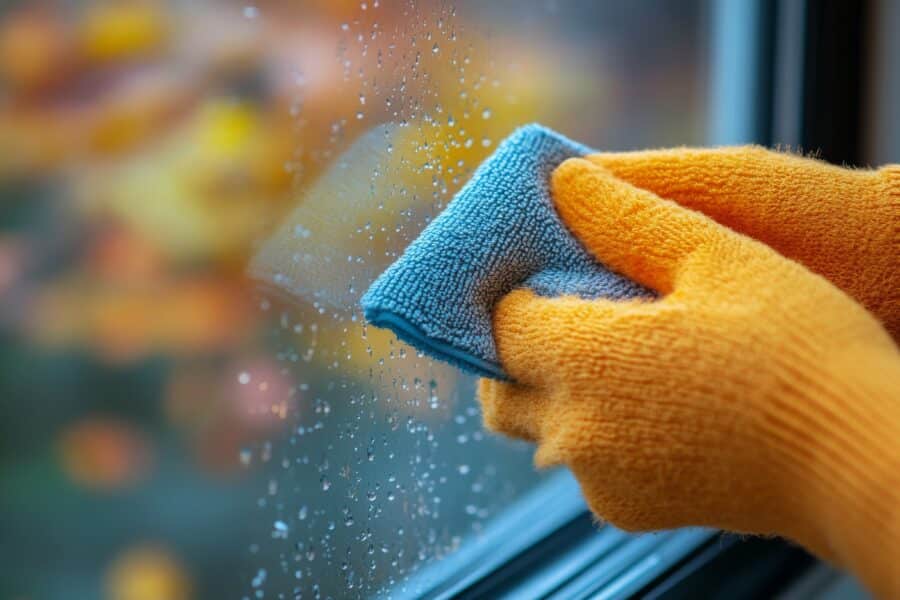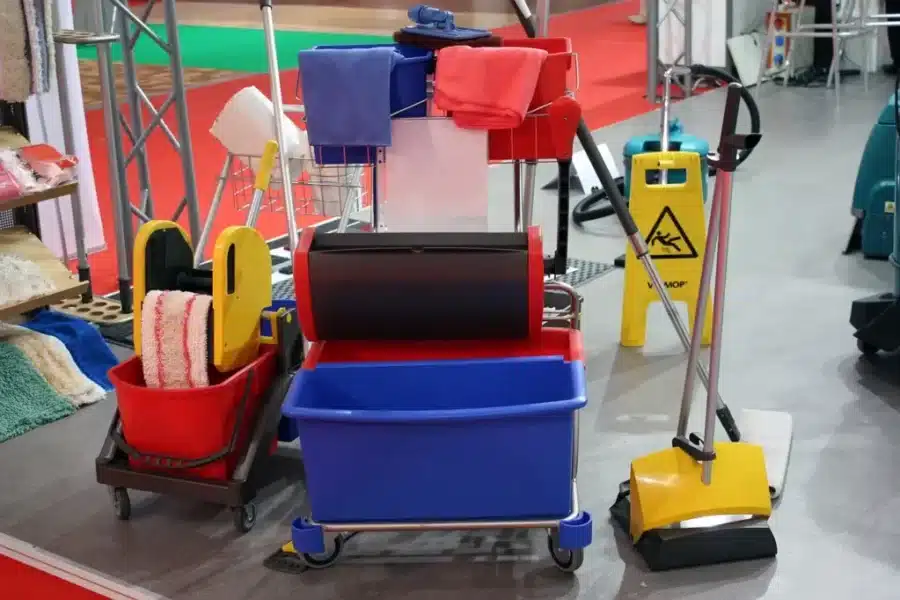


Care home deep cleaning means more than polishing surfaces or wiping visible touchpoints. Residents live in close proximity, and many face heightened infection risks. Because of that, every deep clean helps improve hygiene, reduce transmission risk, and create a more reassuring environment for residents, families, and inspectors.
Teams often ask what a deep clean actually includes, how long it takes, and whether it delivers enough value to justify the disruption. This guide explains the full process from start to finish: what a deep clean covers, how cleaners approach it, how long it may take, and what homes should expect before, during, and after the work.
You will also find practical steps that help staff prepare, maintain results, and make deep cleaning part of a wider infection-control routine.
If you want help reviewing your current cleaning routines or planning a more structured deep-clean approach, we can help.
What a Care Home Deep Clean Includes
A deep clean reaches the areas that daily routines often miss. Routine cleaning focuses on obvious surfaces and regular touchpoints. Deep cleaning goes further by targeting corners, fittings, edges, hidden build-up, and harder-to-reach areas that can collect grime, dust, and pathogens over time.
Typically, cleaners begin by decluttering the space so nothing blocks access. They then work from top to bottom, because dust and debris fall downward. That usually means starting with ceiling edges, light fittings, curtain rails, vents, and high ledges before moving to walls, surfaces, skirting boards, furniture bases, and floors.
Bathrooms usually need particularly detailed attention. A proper deep clean often includes descaling taps, scrubbing tiles, disinfecting shower areas, and cleaning walls or fittings affected by condensation and residue. Using the correct cleaning products is essential, as different surfaces and contamination risks may require different detergents, disinfectants, descalers, or degreasers. Where cleaning chemicals are being used, staff should also follow documented COSHH procedures and wear appropriate PPE. High-touch points such as call bells, toilet flushes, support rails, and seat frames need careful disinfection using the correct product for each surface to support infection control and reduce cross-contamination risks.
In bedrooms, cleaners may sanitise bed frames, clean inside drawers, wipe window handles, vacuum edges with crevice tools, and disinfect mobility aids. Kitchens also require a more detailed approach, including degreasing appliances, sanitising preparation areas, wiping fridge seals, and cleaning behind equipment where build-up can develop unnoticed.
Floors usually need more time than routine cleaning allows. Hard floors may need machine scrubbing, while carpets may need extraction cleaning. Where air quality is a concern, dust removal from vents and air-movement points may also form part of the process. For routine floor maintenance between deep cleans, staff should also understand when a standard floor product is required and when a more versatile cleaner may be suitable. Our guide to using all-purpose cleaner for mopping explains where it fits into a care home cleaning routine and how to avoid issues such as residue or poor floor finish.
To help your team follow a repeatable structure, our Care Home Cleaning Schedule can help clarify responsibilities and improve consistency.
If your team needs a clearer structure for routine and deep-cleaning tasks, we can help you review the setup.
What a Cleaner Should Do in a Deep Clean
A strong deep clean follows a structured method so the same standard can be repeated room after room. Cleaners remove items from surfaces, move lightweight furniture where safe to do so, and work through a clear checklist rather than relying on memory.
They disinfect switches, handrails, equipment controls, call bells, remote controls, and other frequently touched items. They clean doors, frames, skirting boards, windowsills, and the edges where dust gathers. Where necessary, they wash marked walls and inspect neglected spaces for residue, mould, or grease build-up. For tasks involving cleaning chemicals, bodily fluids, or heavier contamination risk, staff should also use the right disposable glove type. Our guide on when to choose vinyl or nitrile gloves for care-home cleaning tasks explains which option is more appropriate in different situations.
Just as importantly, deep cleaning should help identify wider issues. If cleaners notice mould, staining, poor ventilation, residue behind toilets, or heavy grease in kitchen corners, those issues should be reported so the home can act before they escalate.
Many homes use our Cleaning Audit Preparation Guide to help organise rooms and workflows before deeper cleaning begins.
How Long a Care Home Deep Clean Takes
Timing depends on the size of the home, the number of rooms involved, the amount of clutter, the flooring type, and the standard of cleaning already being maintained.
A medium-sized care home may need several hours per area, while larger communal spaces can take most of a day. Individual bedrooms may take one to two hours depending on furniture, flooring, and how often they receive detailed cleaning.
- Carpeted areas take longer due to extraction cleaning and drying time
- Bathrooms often require extra descaling and sanitising
- Clutter can slow preparation
- Kitchens may need longer chemical dwell times
- Mobility equipment adds additional surfaces to disinfect
To reduce disruption, many homes deep clean in stages rather than attempting to clean the whole building at once.
How Much a Deep Clean Costs
Deep-cleaning costs vary depending on the size of the home, the number of bedrooms, the amount of communal space, the flooring type, and whether specialist equipment is required.
However, deep cleaning often saves money long-term. It helps prevent outbreaks, reduces odour complaints, protects surfaces, and supports inspection readiness.
If you want a clearer idea of what a practical deep-clean strategy might look like for your home, we can help review your current setup.
What to Expect Before, During, and After a Deep Clean
Before the deep clean begins, staff typically prepare rooms by removing personal items, securing medication, and relocating residents temporarily where necessary.
During the clean, teams maintain airflow where possible, follow infection-control procedures, and coordinate closely with care staff to minimise disruption.
After the clean, rooms usually feel noticeably brighter and easier to maintain. Surfaces stay cleaner longer and routine cleaning becomes simpler. To keep standards consistent between major cleans, it also helps to follow clear care home cleaning frequency standards and recommended cleaning intervals so high-risk areas, bathrooms, bedrooms, and communal spaces receive the right level of attention before issues build up again.
Deep Cleaning and Infection Control in Care Homes
Deep cleaning plays an important role in wider infection-control procedures. While daily cleaning removes routine contamination, deep cleaning targets areas where dirt, residue, moisture, and pathogens can accumulate over time.
Bathrooms, resident bedrooms, communal areas, laundry rooms, and food-preparation environments often benefit from periodic deep cleaning to reduce contamination risks and support safer care environments.
Many homes combine deep-cleaning programmes with documented cleaning schedules, cleaning audits, and infection-control procedures to demonstrate compliance and maintain consistent hygiene standards across the home.
What Not to Do After a Deep Clean
- Walking across floors before they are dry
- Blocking airflow that helps moisture evaporate
- Using harsh chemicals that damage freshly cleaned surfaces
- Creating dust movement that recontaminates cleaned areas
Many homes maintain results by simplifying product use and adopting more consistent dosing systems such as Zero Waste Cleaning Sachets.
If you want help reviewing safer or more sustainable cleaning options, we can help.
Final Thoughts
Care home deep cleaning protects residents, reassures families, and supports stronger inspection outcomes. When homes combine deep cleaning with consistent routines and clear operational processes, they create a safer environment for everyone.
If you want help reviewing your cleaning routines or planning a deep clean programme, we’re here to help.
Care Home Deep Cleaning FAQ’s
2. How often should a care home schedule a deep clean?
Care homes schedule deep cleans several times a year because resident health needs vary. Homes often deep clean before inspections, after outbreaks, or during seasonal maintenance.
3. How long does a full deep clean take in a care home?
The length depends on room size, flooring, and equipment. Cleaners usually need one to two hours for a resident bedroom and several hours for larger communal areas.
4. Why does deep cleaning matter in a care home?
Deep cleaning lowers infection risks, removes hidden pathogens, and improves resident comfort. It also supports better CQC outcomes and reassures families during visits.
5. How should staff prepare rooms before a deep clean?
Staff remove clutter, secure medication, move personal belongings, and plan temporary resident relocation. This preparation speeds up the cleaning process and protects valuable items.
6. What should care homes avoid after a deep clean?
Homes avoid walking on drying floors, blocking ventilation, or using harsh chemicals. Instead, they maintain results with simple, consistent routines and correct product dilution.
7. Do deep cleans help reduce odours in care homes?
Yes. Deep cleaning reaches areas that trap moisture and residue, so odours decrease significantly. Fresh, sanitised surfaces improve resident wellbeing and visitor impressions.
8. How does deep cleaning differ from daily cleaning?
Daily cleaning manages visible dirt and touchpoints. Deep cleaning reaches hidden areas, removes built-up grime, sanitises equipment, and restores surfaces that daily routines overlook.