

Why Hygiene in Care Homes Matters
The amount of bacteria found on the average human hand can be alarming. In care homes, maintaining excellent hygiene is essential to protect both staff and residents.
Poor hygiene standards can increase infection risk quickly in a care environment. Strong routines, the right products, and clear staff understanding all help reduce avoidable spread and protect vulnerable residents.
If you want support reviewing your current hygiene practices, we can help.
Shocking Hand Cleanliness Facts
Research from hygiene experts at the University of Colorado at Boulder found that, on average, we carry 3,200 bacteria from 150 different species on our hands. Dr. Noah Fierer, who led the study, also noted that each person’s bacterial profile is highly diverse and unique.
That said, in the words of Corporal Jones—“don’t panic, Mr. Mainwaring!” Carrying bacteria is completely natural. In fact, everyone has their own bacterial “fingerprint.”
Even so, these facts highlight a crucial truth: poor hand hygiene can lead to serious health risks, including sepsis, food poisoning, and meningitis. The lack of proper tools, knowledge, or technique can quickly result in the spread of infection.
The Good News: Hygiene Works
When done correctly, hand hygiene is the single most effective way to prevent the spread of infection. And no, we don’t just say “hand washing” — we say “hand hygiene” because it involves more than one step.
The Four Essential Stages of Hand Hygiene
1. Hand Cleansing
This first step removes visible dirt and reduces bacteria. A proper handwashing technique — lasting at least 20–30 seconds — is key for effective cleansing.
2. Hand Sanitising
Use an alcohol-based hand sanitiser with at least 60% alcohol and compliant with BS EN 1500:2013 where appropriate. This kills germs and disinfects clean hands. Learn the difference between sanitiser gel and sanitiser foam here.
3. Hand Drying
Dry hands thoroughly using a clean, absorbent paper towel. This not only speeds up drying but also dislodges bacteria. Remember: bacteria spread more easily from wet hands than dry ones.
4. Hand Moisturising
Healthy skin is a vital, often overlooked part of infection control. Moisturising helps prevent cracks and dryness that can harbour harmful bacteria — especially important in settings where frequent handwashing is the norm.
If you need to review your hand hygiene supplies, dispensers, or day-to-day setup, we can help.
Top Tips for Better Hand Hygiene
Sing While You Wash
Need to time your wash? Sing “Happy Birthday” twice — it takes just over 20 seconds and makes it easy to track.
Don’t Forget the Backs
Many forget to wash the back of their hands. Rub one palm over the back of the other hand, and then switch.
Beware of the Taps
Turn off taps using a clean towel. This avoids re-contaminating your hands after washing.
Focus on Fingertips
Most bacteria live on fingertips and under nails. Pay extra attention to these areas while washing.
Know the Truth About Bacteria
Some can survive on surfaces for months, making regular cleaning — supported by a structured clean care home cleaning schedule — and thorough hand hygiene even more important.
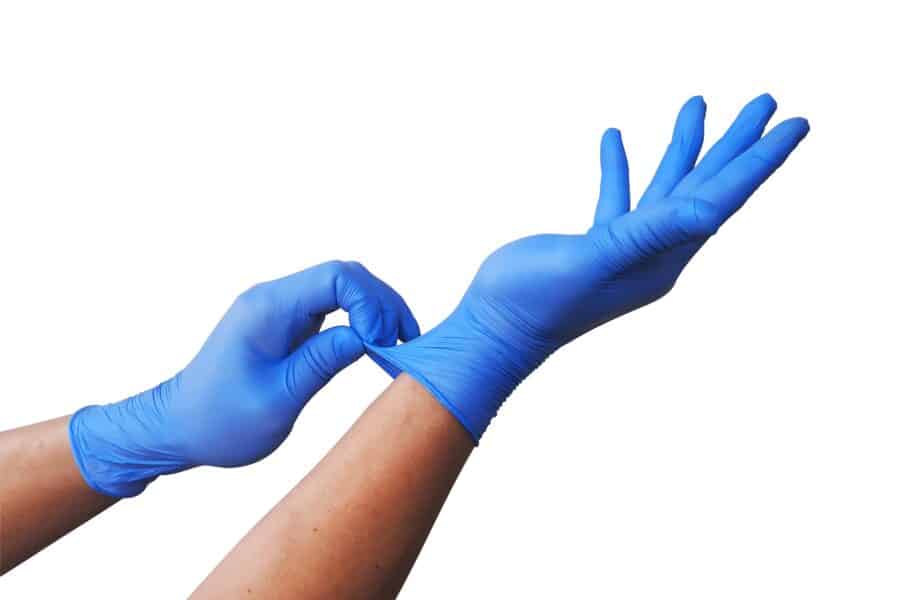
Hand hygiene is only effective when the right protective equipment is used for the right task. In care homes, confusion around glove materials can lead to unnecessary risk or reduced protection. Understanding the difference between vinyl vs nitrile gloves helps teams choose the most appropriate option for each situation and maintain safer infection control practices.
Remember, preparation is your best defence. Gloves also need to be matched properly to the task. Learn how to choose the right gloves here.
Ready to Review Your Hygiene Setup?
We’re here to support your care home with tailored hygiene solutions.
We can help with:
- A hand hygiene audit and site survey to ensure compliance with best practice.
- A wide range of skin-friendly hygiene and body care products.
- Free dispensing systems with installation, tailored to your needs.
- Training and education materials to support your team’s hand hygiene knowledge.
If you want to improve hygiene compliance across your home, we can help you review the setup and recommend practical next steps.
Care Home Hygiene FAQ’s
How many bacteria are on human hands?
Studies show around 3,200 bacteria from over 150 species.
What is the most effective way to stop infections?
Proper hand hygiene is proven to be the best defence.
What are the four stages of hand hygiene?
Cleansing, sanitising, drying, and moisturising.
Why is drying hands important?
Bacteria spread more easily from wet hands than dry ones.
Do bacteria survive long outside the body?
Yes—some live on surfaces for months, increasing infection risks.
How can care homes improve hygiene compliance?
With audits, staff training, and the right hygiene products.