


Norovirus in care homes is a serious infection-control risk. Because it spreads so quickly in communal settings, vulnerable residents can be affected very quickly. Prevention, rapid response, and thorough cleaning all matter if you want to keep your environment safe.
If you want help reviewing your infection-control routine, outbreak response process, or cleaning products, we can help.
What Are the Symptoms of Norovirus in Care Homes?
Symptoms usually appear 12 to 48 hours after exposure and can come on suddenly. Common signs include:
- Vomiting
- Diarrhoea
- Stomach cramps
- Nausea
- Fever and headaches
In many people, symptoms settle within 1 to 3 days. In care settings, however, dehydration and wider spread can become serious concerns very quickly.
How Contagious Is Norovirus in Care Homes?
Norovirus spreads extremely easily. In care homes, transmission can happen through:
- Direct contact with an infected person
- Touching contaminated surfaces or objects
- Droplets released during vomiting episodes
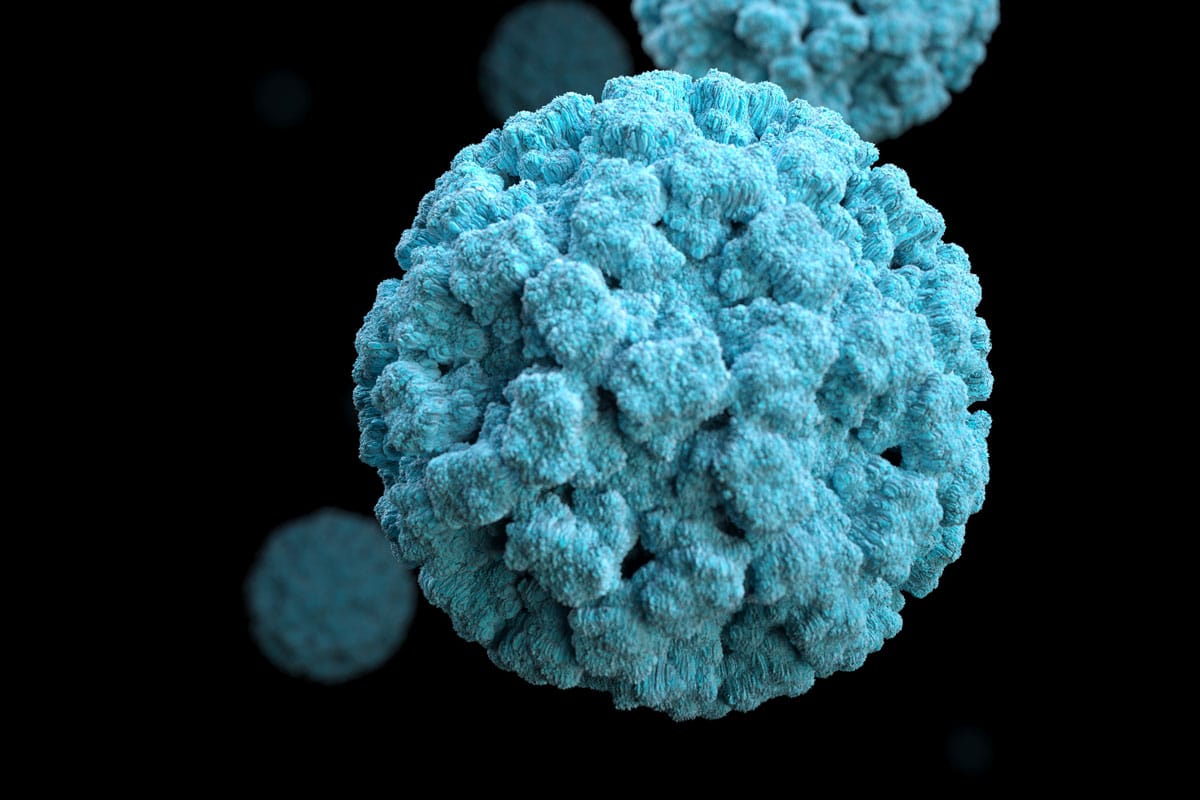
It only takes a very small amount of virus to infect someone else, which is why strict hygiene and fast cleaning responses are essential.
Preventing Norovirus in Care Homes
The best way to reduce the impact of norovirus is to combine isolation, hand hygiene, environmental cleaning, and staff awareness.
- Isolate symptomatic residents quickly to reduce spread
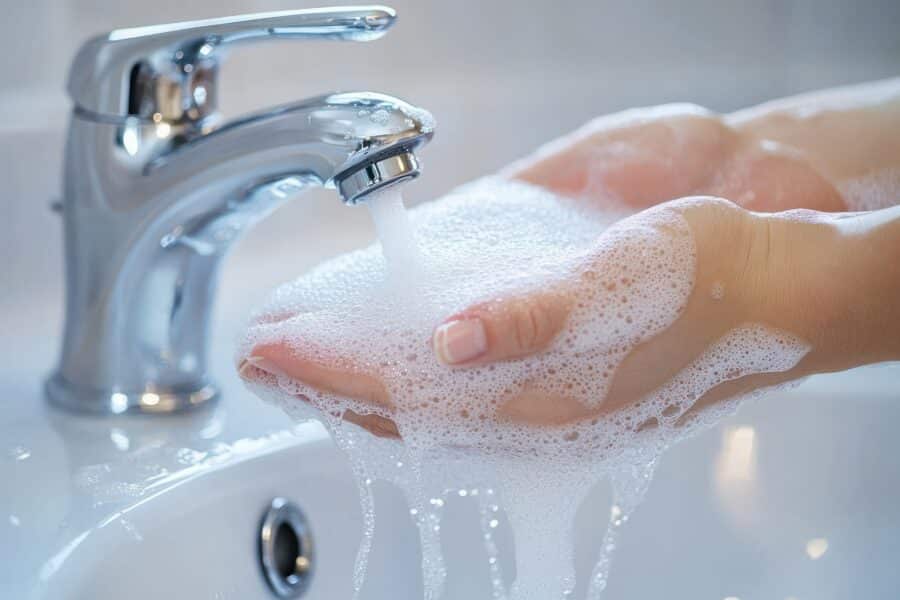
- Enforce strict hand hygiene for staff, residents, and visitors
- Deep clean high-touch surfaces using proven disinfectants
- Monitor vulnerable residents closely for dehydration
- Make sure staff understand how norovirus spreads and how to respond
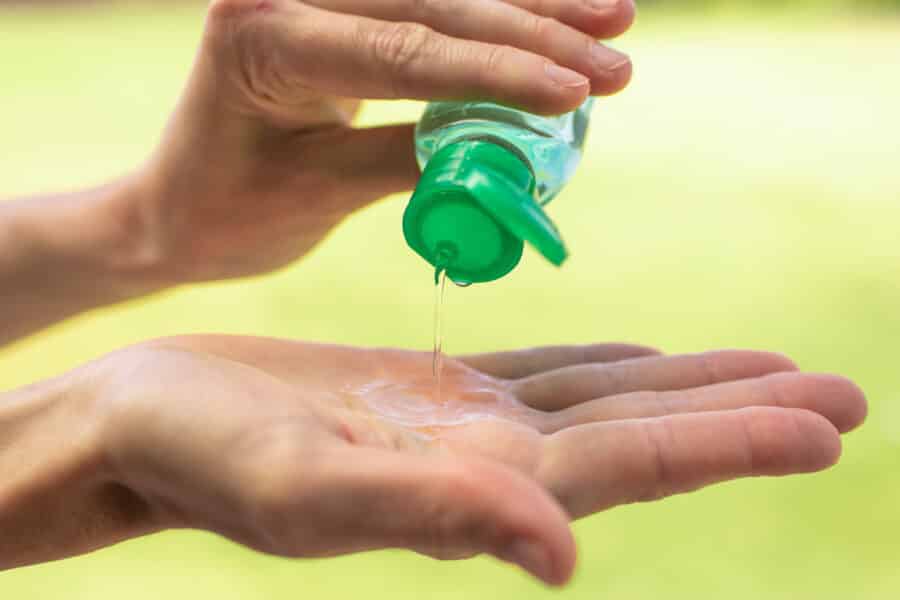
Good hand hygiene is especially important. For more detail, see our guide to hand sanitiser gel vs foam, and our article on what’s lurking on your hands.
If you want to strengthen your outbreak-prevention routine or review whether your current products are up to the job, our team can help.
Effective Cleaning Products for Norovirus Control
Norovirus can survive on surfaces for days, which means cleaning products need to be strong enough to support effective disinfection in a care setting.
- Legion+ range – powerful disinfectant solutions for care environments. See Legion+ products
- Chlorine tablets – useful for deep disinfection when diluted and used correctly. See chlorine tablets
Using the right product matters, but so does using it properly. Staff should know the correct dilution, contact time, PPE requirements, and cleaning sequence for outbreak situations.
Responding Effectively to an Outbreak
Even with good prevention, outbreaks can still happen. When they do, a quick and structured response makes a major difference.
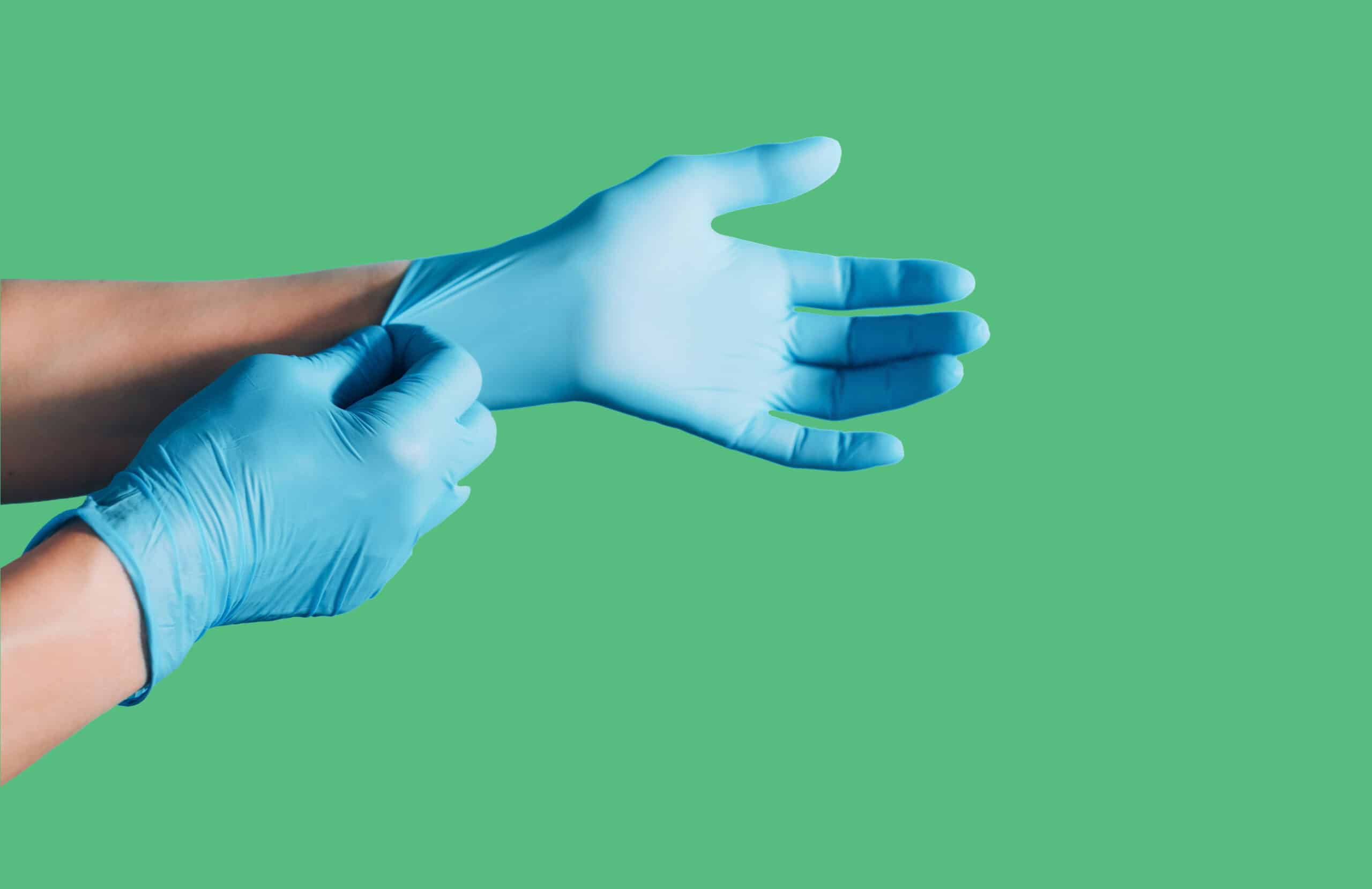
- Use approved disinfectants and the correct PPE
- Isolate affected residents promptly
- Increase the frequency of cleaning in high-risk areas by following a clear cleaning routine for care homes that helps staff respond quickly and consistently during an outbreak
- Train or brief staff on enhanced hygiene measures
- Document actions clearly for compliance and review
A clear response plan helps reduce confusion, limit spread, and protect both residents and staff.
If you need help reviewing your outbreak response process, cleaning standards, or product choice, we can support that review.
Conclusion
Norovirus in care homes is a serious threat, but it is manageable with vigilance, fast action, and the right infection-control measures. Early identification, strong hygiene, and dependable disinfectants all play a part in reducing risk.
If you want help improving your norovirus prevention plan, reviewing your infection-control products, or strengthening your cleaning systems, we’re here to help.
Norovirus in Care Homes FAQ’s
How quickly do symptoms appear after exposure?
Typically 12–48 hours after contact with the virus.
How long does norovirus last?
Most people recover in 1–3 days; keep a close eye on hydration in vulnerable residents.
How contagious is norovirus in care homes?
Extremely—spread via person-to-person contact, contaminated surfaces and aerosolised vomit droplets.
How long are residents contagious?
From symptom onset and up to 48 hours after symptoms stop; some may shed longer.
What immediate steps should we take if symptoms appear?
Isolate the resident, enhance handwashing (soap and water), and start targeted disinfection.
What should we use to disinfect surfaces?
Use products proven against viruses (e.g., Legion+ range) or chlorine solutions prepared from tablets to the correct in-use concentration; clean high-touch points often.
Can hand sanitiser stop norovirus?
Soap and water is best; alcohol gels help as an adjunct but shouldn’t replace proper handwashing.
When can a resident return to communal areas?
After 48 hours symptom-free, provided infection-control precautions are maintained.