

Commercial laundry equipment rarely fails without warning. In most cases, problems build gradually over time. Dryers begin taking longer to finish cycles, machines start running hotter, drainage slows down, or laundry throughput quietly drops without anyone noticing immediately.
The issue is that many sites only focus on maintenance once equipment has already become unreliable.
In care homes especially, laundry delays quickly become wider operational problems. Linen shortages, slower turnaround times and increased staff pressure can all follow when machines are not performing properly.
A structured commercial laundry maintenance checklist helps reduce those problems before they begin affecting the wider laundry process.
However, maintenance is not just about cleaning filters or arranging occasional servicing. In many cases, recurring breakdowns are actually symptoms of wider issues involving installation, layout, machine sizing or laundry workflow.
That is why the most effective approach is usually to review the laundry system as a whole rather than treating equipment maintenance as a standalone task.
Why Commercial Laundry Equipment Develops Problems
Commercial laundry machines operate under heavy daily pressure. In care homes, healthcare environments and other high-volume sites, washers and dryers often run continuously throughout the day with very little downtime.
Over time, this creates wear across multiple areas of the system.
Common causes of equipment problems include:
- Blocked dryer airflow and ventilation
- Overloaded machines
- Poor drainage performance
- Detergent dosing issues
- Insufficient servicing
- Machines constantly running at maximum capacity
- Poor installation or room layout
Many operators assume repeated breakdowns simply mean machines are old. In reality, the underlying issue is often that the equipment setup no longer matches the demands being placed on it.
This is particularly common in sites where laundry demand has increased over time but the original equipment has remained unchanged.
That broader operational picture is explored further in commercial laundry systems, where workflow, machine capacity and room design all influence long-term performance.
Daily Commercial Laundry Maintenance Checks
Most serious laundry equipment problems begin with small warning signs that are easy to overlook during busy working days.
Routine daily checks help identify these issues early before they lead to breakdowns or operational disruption.
Staff should regularly check:
- Dryer lint filters and airflow
- Door seals and machine gaskets
- Drainage performance
- Unusual machine noise or vibration
- Leaks around water connections
- Wash and drying cycle times
Dryers are often one of the biggest problem areas because airflow issues gradually reduce efficiency over time. Machines work harder, cycles become longer and energy use increases.
This is why properly matched care home tumble dryers are so important in high-volume environments. If drying capacity is too low, machines are constantly overloaded and maintenance problems develop much faster.
Weekly Laundry Room Maintenance Reviews
Weekly checks should focus on how the wider laundry room is operating rather than only inspecting individual machines.
This includes reviewing:
- Ventilation and airflow around dryers
- Machine spacing and accessibility
- Water supply and drainage connections
- Detergent dosing consistency
- General cleanliness around equipment
- Whether laundry throughput is keeping up with demand
In many care homes, machines appear to be “failing” when the real issue is simply that the system no longer has enough capacity for the amount of laundry being processed.
When washers and dryers run continuously without downtime, wear accelerates very quickly.
This is one reason why understanding how many washing machines does a care home need is important. Constant machine use often indicates that the site has outgrown its original setup.
Why Laundry Room Layout Affects Maintenance
Laundry maintenance problems are often linked directly to room layout.
Machines installed too closely together usually experience poorer airflow, restricted servicing access and higher operating temperatures. In dryer-heavy environments, this can significantly reduce equipment lifespan over time.
Poorly organised laundry rooms also increase operational pressure on staff because clean and dirty processes become harder to manage efficiently.
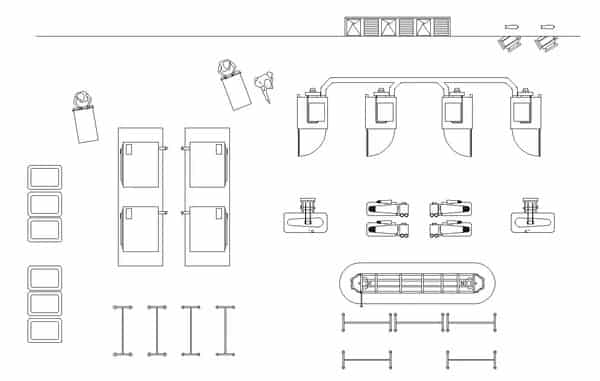
A practical care home laundry room layout should support both workflow and long-term equipment reliability.
Important considerations include:
- Clear airflow around dryers
- Sufficient servicing access
- Logical dirty-to-clean workflow
- Adequate folding and sorting space
- Safe chemical storage
Even relatively small layout changes can sometimes improve laundry performance more effectively than replacing equipment immediately.
Installation Problems Often Become Maintenance Problems
A surprising number of commercial laundry maintenance issues actually begin during installation.
Poor drainage design, weak ventilation planning and unsuitable utility connections all place additional strain on machines from the start.
Common installation-related problems include:
- Dryers overheating due to restricted airflow
- Drainage systems struggling during peak usage
- Machines vibrating excessively
- Electrical limitations affecting performance
- Insufficient room around equipment
This is why maintenance should always be considered alongside commercial laundry equipment installation rather than as a completely separate issue.
If the original setup was poorly planned, servicing alone will not fully resolve recurring operational problems.
When Maintenance Costs Start Becoming a Bigger Problem
There is a point where repeated servicing and repair costs begin outweighing the value of keeping older machines running.
Warning signs usually include:
- Frequent engineer callouts
- Longer cycle times
- Rising energy and water usage
- Repeated minor faults
- Laundry backlogs becoming more common
- Staff working around equipment limitations
In many cases, homes initially focus on individual repair costs without reviewing the wider financial impact of downtime, staff inefficiency and delayed laundry processing.
This is where understanding care home laundry equipment cost becomes useful. Long-term operating costs are often influenced more by inefficient systems than by the purchase price of the equipment itself.
Preventative Maintenance vs Waiting for Breakdowns
One of the most expensive approaches to commercial laundry equipment is waiting until something fails completely before taking action.
Reactive repairs create immediate operational disruption because laundry throughput drops as soon as machines become unavailable.
Preventative maintenance is usually far more effective because it helps identify issues earlier while allowing sites to plan repairs more strategically.
This is particularly important in care homes where delayed laundry processing can quickly affect linen availability, infection-control procedures and staff workload throughout the building.
Sites reviewing their equipment setup often find it helpful to step back and assess the wider laundry operation rather than simply replacing individual machines one at a time.
Our commercial laundry equipment brochure includes guidance on machine selection, installation planning, laundry room setup and system design for care homes and other high-volume laundry environments.
If your laundry equipment feels constantly under pressure, we are always happy to help review the setup and identify where the real operational issues may be coming from.
Final Thought
A good commercial laundry maintenance checklist is not simply about keeping machines clean or arranging occasional servicing.
The wider goal is making sure the entire laundry process continues operating efficiently without creating unnecessary pressure on staff, equipment or day-to-day operations.
In many cases, recurring maintenance problems are actually signs that the wider system needs reviewing. Machine capacity, installation quality, ventilation, workflow and room layout all influence how reliably commercial laundry equipment performs over time.
The most effective laundry environments are usually those where maintenance, layout and operational planning all work together as part of the same system.
If you would prefer to talk through your current laundry setup directly, we are always happy to help.
Commercial Laundry Maintenance Checklist FAQs
What should be included in a commercial laundry maintenance checklist?
A commercial laundry maintenance checklist should include checking dryer lint filters, drainage performance, machine seals, ventilation systems, detergent dosing equipment, water connections and signs of unusual noise or vibration. Regular reviews help identify issues before they become major operational problems.
Why do commercial tumble dryers take longer over time?
Longer drying times are often caused by blocked lint filters, restricted ventilation, poor airflow or overloaded machines. As airflow reduces, dryers become less efficient and cycle times increase, which also raises energy costs.
Can poor installation cause ongoing laundry equipment problems?
Yes. Poor drainage, restricted airflow, incorrect utility connections and inadequate spacing around machines can all create ongoing maintenance problems. In many cases, recurring faults are linked to installation or layout issues rather than the machines themselves.
What are the warning signs commercial laundry equipment needs attention?
Common warning signs include longer cycle times, rising energy usage, unusual machine noise, drainage problems, repeated faults, excessive heat around dryers and laundry backlogs building up during busy periods.
Why is preventative maintenance important in care homes?
In care homes, laundry equipment directly affects linen availability, infection-control procedures and staff workload. Preventative maintenance helps avoid breakdowns and keeps laundry moving efficiently throughout the home.