

Commercial laundry systems play a critical role in environments where hygiene, reliability and high-volume washing are essential. Whether the setting is a care home, healthcare facility, supported living environment or hospitality site, poor laundry setup quickly creates operational problems.
Delays returning clean linen, rising utility costs, repeated equipment breakdowns and infection control risks often begin with the system itself rather than the people using it.
Choosing the right commercial laundry systems is not simply about buying larger machines. It requires understanding laundry volume, workflow, compliance requirements and how the full laundry room operates from start to finish.
This guide explains what buyers should consider before investing in a commercial laundry system and how to avoid the most common planning mistakes.
Why Commercial Laundry Systems Matter
Domestic appliances are not designed for constant professional use. In busy environments, machines may be running for most of the day, processing bedding, towels, uniforms, workwear, resident clothing and infection-control loads.
When laundry systems are undersized or poorly planned, common problems include:
- Frequent machine breakdowns
- Laundry backlogs during busy periods
- Higher repair and servicing costs
- Increased energy and water waste
- Delays returning clean linen
- Greater infection control risks
This is why many facilities move away from domestic alternatives and invest in proper commercial washing machines built for long-term professional use.
What Is Included in a Commercial Laundry System?
A commercial laundry system includes far more than washing machines. It is the full setup that allows linen and garments to move safely and efficiently through the laundry process.
This typically includes:
- Commercial washing machines
- Commercial tumble dryers
- Chemical dosing systems
- Sorting and segregation areas
- Laundry trolleys and handling equipment
- Folding and storage areas
- Ventilation and extraction systems
- Drainage and utility planning
The goal is not simply faster washing, but creating a reliable workflow that supports hygiene, compliance and staff efficiency.
Choosing the Right Washing Capacity
Washing machines are usually the centre of any commercial laundry system, but capacity planning is often where buyers make the biggest mistakes.
Some facilities install machines that are too small and end up overloaded every day. Others choose oversized machines that waste water, energy and chemical use.
Key considerations include:
- Daily laundry volume
- Resident or occupancy numbers
- Frequency of linen changes
- Infection-control wash requirements
- Available laundry room operating hours
- Separate loads for contaminated linen
Understanding how many washing machines are actually needed is often more important than simply choosing the largest machine available.
Drying Capacity Must Match the Washers
One of the most common mistakes in commercial laundry systems is focusing heavily on washers while overlooking dryers.
If tumble dryer capacity is too low, clean linen quickly begins to pile up. This creates workflow bottlenecks, delays linen turnaround and increases pressure on staff.
Dryers should be selected to match washer output so laundry moves smoothly from wash to dry without unnecessary waiting.
Choosing the right commercial tumble dryers is just as important as choosing suitable washers.
Layout Is Part of the System
Even the best equipment creates problems if the laundry room itself is poorly designed.
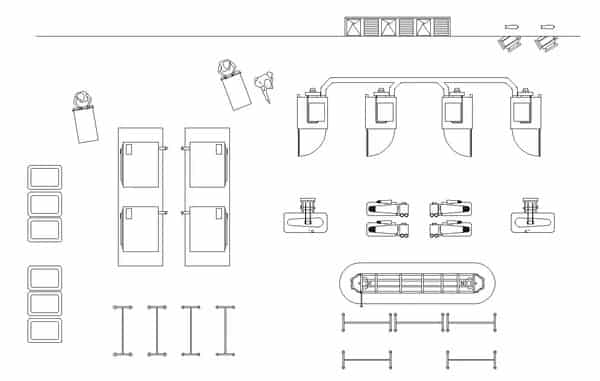
A strong commercial laundry system depends on a layout that supports the entire process from dirty linen intake through to clean storage and redistribution.
This should include:
- Clear separation between dirty and clean laundry
- Safe chemical storage areas
- Space for sorting and folding
- Logical positioning of washers and dryers
- Easy trolley access for staff
- Proper ventilation and drainage
A poor layout increases manual handling, slows workflow and creates avoidable hygiene risks. A well-planned commercial laundry room layout improves both compliance and operational efficiency.
Understanding the True Cost of a Laundry System
Commercial laundry systems should be viewed as long-term operational investments, not simply upfront purchases.
Buyers often focus only on machine price while overlooking the wider costs of running the system over time.
This includes:
- Installation requirements
- Utility usage
- Chemical consumption
- Servicing and maintenance
- Downtime risks
- Replacement cycles
- Labour efficiency
In many cases, cheaper equipment creates significantly higher long-term costs. Reviewing the full commercial laundry equipment cost gives a far clearer picture of value.
Signs Your Current Laundry System Needs Reviewing
Many organisations continue repairing old equipment long after replacement would have been the better decision.
Warning signs usually include:
- Frequent breakdowns and engineer callouts
- Machines running constantly with no downtime
- Laundry backlogs during busy periods
- High utility costs
- Staff regularly waiting for machines
- Infection-control concerns caused by workflow problems
When these issues become normal, the problem is often not the staff or the process — it is the system design itself.
Commercial Laundry Systems in Care Homes
Care homes face additional pressure because laundry operations directly affect resident wellbeing, infection control and regulatory compliance.
Linen delays impact resident comfort, while poor segregation of contaminated items can create hygiene risks across the building.
This is why commercial laundry systems in care homes must support:
- Safe handling of soiled linen
- Reliable high-temperature washing where required
- Fast turnaround of bedding and clothing
- Reduced staff workload
- Compliance with infection prevention procedures
In these environments, equipment decisions are operational decisions, not simply purchasing decisions.
Final Thought
The right commercial laundry systems improve far more than washing performance. They protect hygiene standards, reduce operational pressure and help facilities run more efficiently every day.
Whether the setting is a care home, healthcare facility or another high-volume laundry environment, success depends on choosing the right machines, designing the right workflow and planning for long-term efficiency rather than short-term savings.
If your current laundry setup feels like it is constantly under pressure, it may be time to review whether the system is still fit for purpose.
Commercial Laundry Systems FAQs
How do I choose the right commercial laundry system?
The right system depends on daily laundry volume, building type, infection control requirements, available space and staff workflow. Choosing the correct capacity and layout is often more important than simply buying larger machines.
Why are domestic washing machines not suitable for commercial laundry use?
Domestic machines are not designed for constant high-volume operation. In busy environments like care homes and healthcare facilities, they often break down faster, create laundry backlogs and increase long-term running costs.
How many washing machines does a commercial laundry room need?
This depends on laundry volume, occupancy levels, linen turnover and operating hours. A smaller facility may need one main washer and backup capacity, while larger sites often require multiple machines to avoid delays and maintain workflow.
Why is laundry room layout important in commercial laundry systems?
A good layout helps prevent cross-contamination, improves staff efficiency and supports smoother workflow. Dirty and clean laundry should remain separated, with enough space for sorting, folding and safe movement between machines.