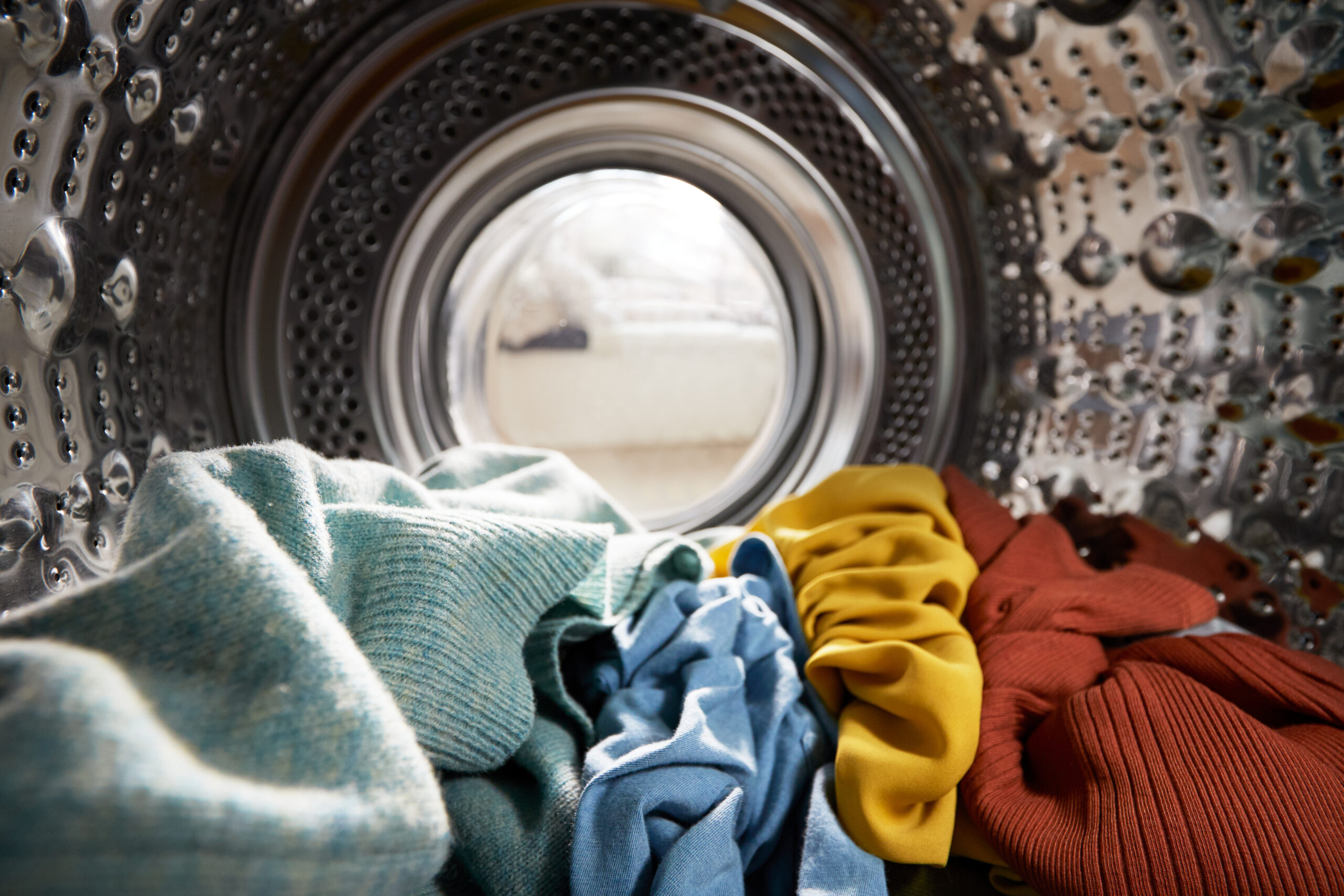


Commercial Washing Machines for Care Homes
Choosing the right commercial washing machines for a care home is not just about capacity or cost. It affects how your laundry runs every day, from infection control to staff workload.
If you are choosing commercial washing machines for care homes, you are not simply replacing an appliance. You are making a decision that affects hygiene, staffing pressure, laundry turnaround, and long-term running costs.
For many care homes, this decision comes when existing machines are breaking down more often, laundry volumes have increased, or the current setup is no longer supporting efficient day-to-day operations. At that point, buying the wrong machine can create more disruption rather than solving the problem.
The right commercial washing machine should be suited to the demands of a care environment, support infection control, and fit the wider laundry process properly.
Why Care Homes Need Commercial Washing Machines
Care homes handle high laundry volumes every day. That includes bedding, towels, uniforms, resident clothing, and in some cases heavily soiled or infection-risk items. This level of demand is very different from domestic laundry use.
That is why domestic machines are often a false economy in care settings. They may appear cheaper initially, but they are rarely built for repeated daily cycles, heavier loads, or the performance standards expected in a professional care environment. This is explored further in Can You Use Domestic Laundry Equipment in a Care Home?.
Commercial machines are designed to provide:
- greater durability under constant use
- better load handling
- more reliable wash performance
- faster throughput
- compatibility with professional dosing systems
In practical terms, that means fewer operational headaches and a laundry room that is better able to keep up with demand.
What Actually Matters When Choosing a Machine
The best machine is not always the cheapest, the largest, or the one with the longest feature list. What matters is whether it fits the way your laundry room actually works.
Capacity
Capacity is one of the most important factors. If a machine is too small, staff end up running too many cycles and the machine is placed under constant pressure. If it is too large for the home’s actual demand, you can end up wasting energy, water, and space.
Capacity needs to be considered against:
- resident numbers
- bedding and linen volume
- frequency of washing
- infection-control loads
- busy periods and peak demand
This is also where laundry room setup matters. Even the right machine can underperform if the room layout is poor or the process flow is weak. That broader setup is covered in How to Set Up a Compliant Care Home Laundry Room: A Complete Guide to Care Home Laundry Regulations.
Wash Performance and Hygiene
Care home machines need to do more than remove visible dirt. They also need to support consistent hygiene standards as part of the home’s wider infection-control procedures.
The Health and Safety Executive infection control guidance makes clear that health and social care providers need suitable infection prevention and control arrangements. Laundry equipment plays a direct role in supporting those arrangements.
That is why machine choice should be considered alongside dirty-to-clean segregation, room layout, and safe handling procedures. Related guidance can be found in Dirty Laundry Flow in Care Homes: Preventing Cross-Contamination and Staying Compliant.
Reliability Under Daily Pressure
Reliability matters because laundry delays quickly become wider operational problems. When machines cannot keep up, homes experience linen shortages, slower turnaround times, and avoidable staffing pressure.
A cheaper machine can become expensive very quickly if it leads to repeated downtime, engineer callouts, or inconsistent wash results. In many cases, repeated machine problems are a sign that the wider system needs reviewing, not just the unit itself. That is where Care Home Laundry Audit Checklist: What Managers Must Review can help identify what is actually causing the pressure.
If you are comparing options and want practical guidance before committing to a purchase, our team can help you review your current setup and point out where the real pressure points are.
Common Mistakes When Buying Washing Machines for Care Homes
There are a few mistakes that come up repeatedly.
Buying on upfront price alone
A lower purchase cost often looks attractive, but it can lead to higher long-term expense through repairs, inefficiency, or shorter machine lifespan.
Ignoring the wider laundry process
A washing machine is only one part of the system. If loading, segregation, dosing, drying, and room flow are poorly managed, a new machine may not deliver the improvement you expect.
Choosing the wrong size
Machines that are too small are overworked. Machines that are too large can be inefficient. In both cases, the result is unnecessary cost and operational friction.
Failing to plan installation properly
Drainage, utility connections, positioning, and access all affect performance once the machine is installed. That is why it is worth reviewing Care Home Laundry Equipment Installation Checklist before finalising any purchase.
How Commercial Washing Machines Affect Running Costs
When care homes compare machines, they often focus on purchase price first. But the bigger financial picture sits in the day-to-day cost of operating the equipment.
That includes:
- water use
- energy use
- cycle efficiency
- chemical use
- downtime and servicing
- staff time spent handling laundry
In some cases, a better quality commercial machine costs more upfront but reduces long-term cost by improving efficiency and reliability. If you are reviewing your laundry spend more broadly, it is worth reading Laundry Cost Per Wash in Care Homes: How to Calculate and Reduce It.
When It Is Time to Review Your Current Setup
If your home is dealing with repeated laundry issues, the problem is often bigger than one old machine.
Common warning signs include:
- machines constantly running at full capacity
- frequent service interruptions
- linen backlogs
- poor turnaround times
- inconsistent wash results
- staff working around equipment limitations
At that stage, it is usually more useful to review the whole setup rather than simply replacing one machine like-for-like.
If you would prefer to talk it through directly, we are always happy to help.
Final Thought
Commercial washing machines for care homes should be chosen as part of a working laundry system, not as an isolated product decision.
The right machine supports hygiene, throughput, and long-term reliability. The wrong one creates daily friction, higher costs, and avoidable pressure across the home.
If you are reviewing your laundry room, the most useful approach is usually to look at the bigger picture: machine size, room layout, compliance requirements, and the way laundry actually moves through the site.
Commercial Washing Machines for Care Homes FAQs
Can care homes use domestic washing machines?
Domestic machines are not designed for the demands of a care home.
They typically cannot handle:
continuous daily use
heavier loads like bedding and towels
consistent high-temperature cycles for hygiene
While they may work short-term, they usually lead to breakdowns, inefficiency, and higher long-term costs.
How long do commercial washing machines last in a care home?
Most commercial washing machines last 8 to 12 years with proper use and servicing.
However, lifespan depends on:
how heavily they are used
whether they are correctly sized
maintenance and servicing frequency
Frequent breakdowns or rising repair costs are often signs it’s time to replace rather than repair.
How many washing machines does a care home need?
This depends on:
number of residents
laundry frequency
type of loads (standard vs infection control)
available operating hours
Many care homes underestimate this and end up with machines running constantly. In most cases, having the right number of machines is just as important as choosing the right type.
Are commercial washing machines more energy efficient?
Yes — in most cases, commercial machines are more efficient when used correctly.
They are designed to:
optimise water and energy per cycle
handle larger loads more efficiently
reduce the number of cycles needed
Although the upfront cost is higher, they often reduce cost per wash over time.
Do commercial machines improve infection control?
They play an important role, but only as part of a wider system.
Commercial machines support infection control by:
handling higher temperatures
providing consistent wash performance
integrating with controlled dosing systems
However, proper laundry flow, segregation, and staff procedures are just as important.
What is the biggest mistake when buying laundry equipment?
The most common mistake is buying based on price instead of suitability.
Other frequent issues include:
choosing machines that are too small
ignoring workflow and room layout
replacing like-for-like without reviewing demand
These mistakes usually lead to higher costs and operational problems later.
When should a care home replace washing machines?
Replacement should be considered when:
breakdowns become frequent
repair costs increase
machines struggle to keep up with demand
wash results become inconsistent
Waiting too long often leads to disruption and emergency replacement decisions rather than planned upgrades.