

Understanding care home laundry equipment cost is not just about the price of machines. It includes installation, running costs, and how efficiently your laundry setup performs on a daily basis.
For many care homes, cost becomes a concern when machines start failing, laundry volumes increase, or energy and water bills begin to rise. At that point, replacing equipment without fully understanding the bigger picture can lead to higher long-term spend rather than savings.
This guide breaks down what care home laundry equipment really costs, what affects pricing, and where care homes often overspend without realising it.
What Affects Care Home Laundry Equipment Cost?
There is no single price for laundry equipment because costs depend on how your care home operates.
The main factors include:
- Number of residents and overall laundry volume
- Types of loads (standard linen vs infection-control laundry)
- Machine capacity and specification
- Laundry room layout and available space
- Existing infrastructure such as plumbing and electrics
Because of this, two care homes of a similar size can have very different equipment costs depending on how their laundry process is set up.
Typical Cost of Laundry Equipment for Care Homes
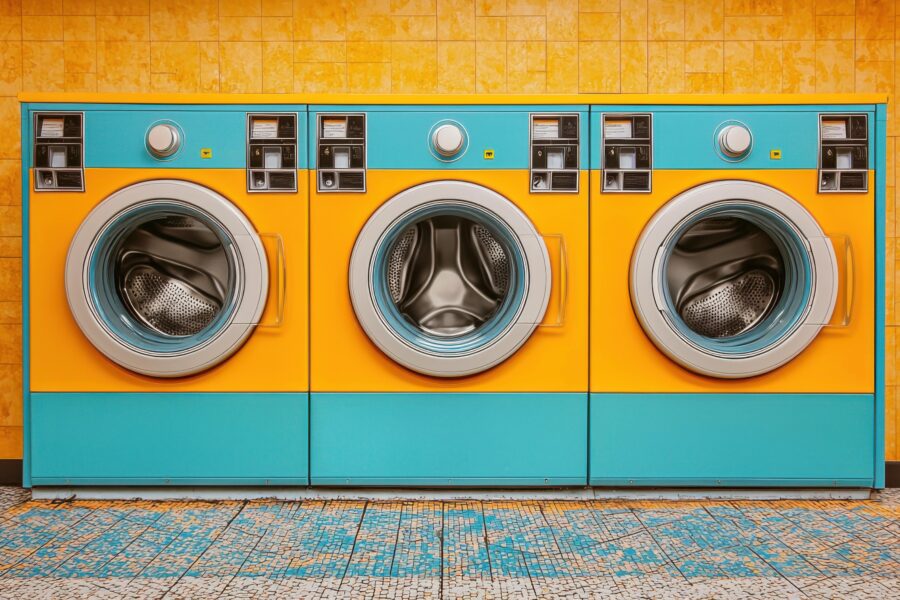
Most care home laundry setups include a combination of washing machines, tumble dryers, and sometimes ironers. Costs vary depending on capacity, build quality, and intended usage.
Commercial washing machines
Commercial washing machines designed for care homes are built for continuous use and higher load capacities. As a result, they cost more upfront than domestic alternatives but are far more reliable in the long term. This is explored further in Commercial Washing Machines for Care Homes.
Tumble dryers
Tumble dryers also vary significantly in cost depending on capacity and whether stacked or standalone units are used. In busy homes, dryer performance can be just as important as washing capacity when it comes to overall laundry throughput.
Ironers and finishing equipment
Not all care homes require ironers, but where they are used, they add to the overall equipment investment and need to be factored into planning.
Rather than focusing on individual machine prices, it is usually more useful to look at the total cost of the system and how it supports your daily workload.
Installation and Setup Costs
Installation is often underestimated when budgeting for new laundry equipment.
Costs can include:
- Electrical upgrades or additional supply
- Water connections and drainage
- Ventilation requirements for dryers
- Space adjustments or layout changes
If installation is not planned properly, even high-quality machines can underperform. This is why it is worth reviewing Care Home Laundry Equipment Installation Checklist before committing to any purchase.
Running Costs: Where Most of the Spend Happens
The biggest cost over time is not the equipment itself, but how it operates day to day. This includes maintaining hygiene standards in line with HSE guidance on decontamination of fabrics including clothing and laundry, which can influence how equipment is used and managed.
Running costs typically include:
- Energy consumption
- Water usage
- Chemical dosing
- Servicing and maintenance
- Staff time spent managing laundry
Even small inefficiencies in these areas can significantly increase total spend over time. A more detailed breakdown of this can be found in Laundry Cost Per Wash in Care Homes: How to Calculate and Reduce It.
In many cases, improving efficiency reduces cost more effectively than simply choosing cheaper equipment.
Hidden Costs Most Care Homes Miss
Some of the most expensive problems are not visible at the point of purchase.
Common hidden costs include:
- Frequent breakdowns and emergency repairs
- Machine downtime causing laundry delays
- Overworked or undersized machines
- Inefficient laundry flow increasing staff workload
These issues often build gradually and are only noticed when costs or operational pressure become difficult to manage. A structured review such as Care Home Laundry Audit Checklist: What Managers Must Review can help identify where these problems are coming from.
If you are unsure whether your current setup is costing more than it should, it can help to step back and look at the full system rather than focusing on individual machines.
When Cheaper Equipment Costs More
Lower-cost machines can seem like a sensible decision, especially when budgets are tight. However, they often lead to higher long-term costs.
This usually happens because:
- Machines wear out faster under heavy use
- Breakdowns become more frequent
- Laundry throughput is reduced
- Staff spend more time managing the process
Over time, these factors can outweigh any initial savings.
When It Is Worth Investing More
In many cases, higher-quality equipment delivers better value over time.
This is particularly true when:
- Laundry volumes are high
- Infection control requirements are strict
- Downtime would disrupt operations
- Staff efficiency is a priority
Well-matched equipment supports smoother operations and reduces pressure across the home.
Signs Your Laundry Setup Is Costing Too Much
If your laundry system is not working efficiently, costs tend to show up in operational problems.
Common warning signs include:
- Machines constantly running at full capacity
- Frequent servicing or breakdowns
- Backlogs of laundry building up
- High energy or water usage
- Staff spending excessive time on laundry tasks
At this stage, it is usually more effective to review the overall setup rather than replacing equipment one piece at a time.
If you would prefer to talk it through, we are always happy to help.
Final Thought
Care home laundry equipment cost should be viewed as a long-term operational investment, not just a purchase decision.
The right setup balances upfront spend with running efficiency, reliability, and the ability to keep up with daily demand. The wrong setup often leads to ongoing cost, disruption, and avoidable pressure on staff.
When reviewing your laundry equipment, it is usually worth looking at the full system rather than focusing on individual machines in isolation.
FAQs: Care Home Laundry Equipment Cost
Below are some of the most common questions care home managers ask when reviewing laundry equipment costs.
What is the biggest ongoing cost in care home laundry?
Running costs such as energy, water, chemicals, and staff time usually make up the largest share of long-term spend, often exceeding the initial equipment cost over time.
Is it cheaper to use domestic machines in a care home?
Domestic machines may appear cheaper upfront, but they are not designed for continuous use and often lead to higher long-term costs through breakdowns and inefficiency.
How can care homes reduce laundry costs?
Improving efficiency, choosing the right machine capacity, and optimising laundry processes can significantly reduce cost per wash and overall spend.
When should laundry equipment be replaced?
Replacement is usually needed when machines become unreliable, repair costs increase, or they can no longer keep up with demand.