

Care home equipment compliance plays a critical role in resident safety, staff wellbeing, and inspection outcomes. Every care home relies on a wide range of equipment each day, from hoists and beds to laundry machinery and pressure care systems. When that equipment remains compliant, care runs smoothly. However, when equipment falls short, risks escalate quickly.
This guide explains what care home equipment compliance really means in practice. It also clarifies how LOLER, CQC regulations, and everyday equipment responsibilities fit together. Most importantly, it shows how managers can build a clear, manageable compliance framework that supports both care delivery and long-term planning.
What does equipment compliance mean in care homes?
Equipment compliance means ensuring that all equipment used within a care home remains safe, suitable, and legally compliant throughout its lifecycle. This responsibility applies to owned, leased, and hired equipment alike.
In practice, compliance requires managers to:
-
Select appropriate equipment for resident needs
-
Maintain equipment in safe working order
-
Arrange inspections and servicing at correct intervals
-
Train staff in correct use
-
Keep accurate records and documentation
Because equipment touches almost every aspect of care, compliance does not sit in isolation. Instead, it connects directly to safety, infection control, dignity, and workforce protection.
What equipment is LOLER relevant in care?
LOLER applies to lifting equipment used to lift or lower loads, including people. In care homes, this typically includes:
-
Mobile hoists
-
Ceiling track hoists
-
Stand aids
-
Bath hoists
-
Slings and lifting accessories
Managers must ensure lifting equipment receives inspection by a competent person at legally required intervals. However, LOLER compliance alone does not guarantee overall equipment safety. Homes must also ensure that equipment remains appropriate for changing resident needs and daily usage patterns.
Regular equipment servicing and LOLER testing supports compliance by identifying wear, faults, or misuse before incidents occur.
How often should equipment be checked under LOLER?
LOLER requires lifting equipment used for people to undergo thorough examination at least every six months. Accessories such as slings also fall under this requirement.
Beyond formal inspections, managers should encourage routine visual checks by staff. Daily awareness helps identify early signs of damage, improper storage, or incorrect use. This layered approach strengthens compliance and reduces reliance on last-minute fixes.
What are the legal requirements for lifting equipment?
Legal requirements extend beyond inspection frequency. Managers must ensure that:
-
Equipment suits its intended purpose
-
Safe working loads remain clearly marked
-
Equipment remains stable and properly installed
-
Staff receive training in safe operation
Failure in any of these areas can result in enforcement action, even if inspection certificates remain up to date. Therefore, compliance depends on both paperwork and real-world practice. These requirements sit within the wider LOLER regulations, which set out how lifting equipment must be inspected, maintained, and documented in care environments.
Equipment compliance and CQC expectations
CQC inspectors assess equipment compliance under several regulations. Although equipment does not sit under a single standalone regulation, it directly affects multiple areas of assessment.
For example, Regulation 12 focuses on safe care and treatment. Unsafe or poorly maintained equipment undermines this requirement immediately. Regulation 15 addresses premises and equipment, requiring providers to ensure environments remain clean, safe, and suitable.
Inspectors expect managers to demonstrate:
-
Awareness of equipment risks
-
Clear maintenance systems
-
Evidence of routine checks
-
Staff confidence in equipment use
Strong equipment compliance therefore supports positive inspection outcomes across multiple domains.
What is Regulation 7 of the CQC and how does equipment fit?
Regulation 7 requires providers to have systems in place to assess, monitor, and improve the quality and safety of services. Equipment compliance fits squarely within this requirement.
Managers meet Regulation 7 expectations by:
-
Maintaining accurate equipment inventories
-
Reviewing servicing schedules regularly
-
Responding promptly to faults or incidents
-
Using data to plan replacements or upgrades
Rather than reacting to failures, compliant homes use information proactively to reduce future risks.
Choosing compliant equipment from the start
Many compliance issues begin at the purchasing stage. When homes choose equipment without considering long-term suitability, problems follow quickly. Poor fit, limited servicing options, or incompatible accessories create avoidable risks.
Effective care home equipment supply focuses on:
-
Resident mobility and dependency levels
-
Space constraints within rooms and corridors
-
Compatibility with existing equipment
-
Availability of servicing and support
By choosing equipment with compliance in mind, managers simplify future inspections and reduce unplanned costs. This principle also applies to soft furnishings such as bedding. Care homes must ensure that bedding meets recognised ignition-resistance standards, including BS 7175 (Crib 5). Our guide to fire retardant bedding requirements for care homes explains how to verify compliance and avoid fire safety risks during inspection.
Servicing, maintenance, and lifecycle responsibility
Equipment compliance continues throughout the life of each item. Servicing ensures equipment remains safe under real-world conditions, not just in theory.
A structured servicing plan allows homes to:
-
Identify faults early
-
Prevent breakdowns during care delivery
-
Extend equipment lifespan
-
Maintain consistent compliance records
When combined with scheduled inspections, servicing supports both safety and operational continuity.
Laundry equipment and wider compliance
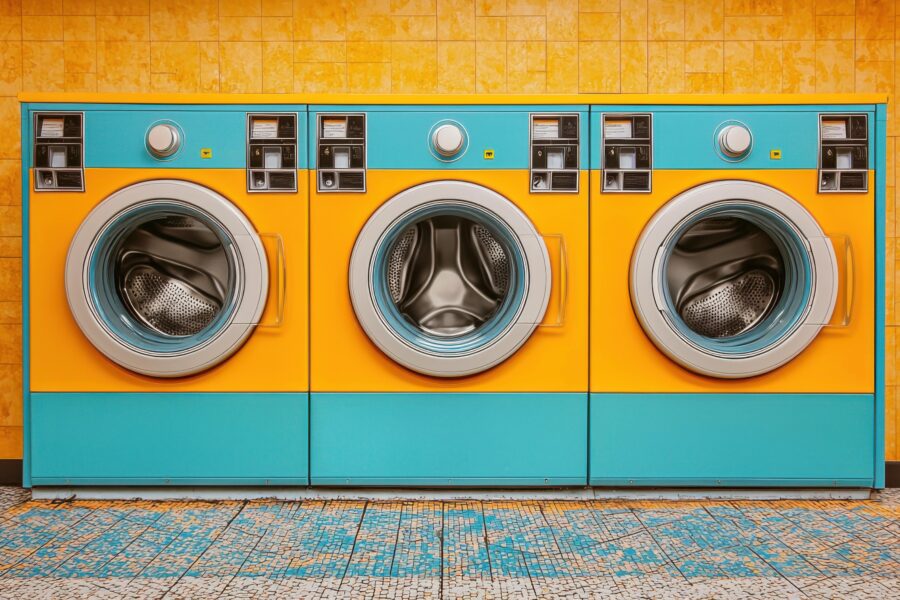
Laundry equipment often receives less attention during compliance discussions. However, washers, dryers, and finishing equipment play a key role in infection control and staff safety.
Using appropriate commercial laundry equipment for care homes supports compliance by:
-
Achieving required thermal disinfection standards
-
Reducing manual handling strain
-
Maintaining consistent throughput during peak demand
Because laundry processes affect resident dignity and wellbeing, compliant laundry equipment forms part of the wider equipment responsibility.
Training staff to support compliance
Even the best equipment fails when staff do not understand how to use it correctly. Training therefore forms a critical part of compliance.
Managers should ensure that:
-
New staff receive equipment-specific training
-
Refresher sessions reinforce safe practices
-
Staff know how to report faults promptly
When staff feel confident using equipment, risks decrease and compliance becomes embedded in daily routines.
Documentation and record keeping
Accurate records underpin all compliance activity. Inspectors expect managers to produce documentation quickly and confidently.
Key records include:
-
Equipment inventories
-
LOLER certificates
-
Service reports
-
Risk assessments
-
Staff training records
Well-organised documentation demonstrates control, accountability, and proactive management.
What does compliance mean in care homes overall?
Compliance in care homes means consistently meeting legal, regulatory, and professional standards. In equipment terms, this involves ensuring safety, suitability, and proper oversight at all times.
Rather than viewing compliance as a burden, effective managers treat it as a framework that supports better care. When equipment compliance aligns with operational planning, homes gain stability, confidence, and inspection readiness.
Building a sustainable equipment compliance strategy
Long-term compliance depends on planning rather than firefighting. Managers who adopt a strategic approach reduce stress and improve outcomes.
A sustainable strategy includes:
-
Planned replacement cycles
-
Regular compliance reviews
-
Integrated servicing and inspection schedules
-
Ongoing staff training
-
Trusted support from experienced suppliers
By connecting LOLER, servicing, supply, and daily use, care homes create a compliance system that protects residents, supports staff, and withstands inspection scrutiny.
Care Home Equipment Compliance FAQs
How often should equipment be checked under LOLER?
Lifting equipment used to lift people must undergo a thorough examination at least every six months. In addition, staff should carry out routine visual checks to spot damage, wear, or misuse between formal inspections.
What are the legal requirements for lifting equipment in care homes?
Care homes must ensure lifting equipment is suitable for its purpose, clearly marked with safe working loads, properly installed, maintained in safe condition, and used by trained staff. Inspection alone does not guarantee compliance if equipment is used incorrectly.
Is LOLER every 6 or 12 months?
LOLER inspections occur every six months for equipment used to lift people. Equipment used only to lift objects may fall under a 12-month inspection cycle, depending on risk assessment.
What is SWL and WLL?
SWL (Safe Working Load) and WLL (Working Load Limit) indicate the maximum load equipment can safely handle. Staff must always follow these limits to prevent equipment failure and injury.
What equipment is commonly used in care homes?
Care homes use a wide range of equipment including beds, mattresses, hoists, slings, wheelchairs, pressure care equipment, bathing aids, and commercial laundry machinery. Each item carries specific compliance and maintenance responsibilities.
What are the 5 new CQC standards?
The CQC assesses services across five key areas: Safe, Effective, Caring, Responsive, and Well-Led. Equipment compliance supports all five areas by reducing risk, improving care delivery, and demonstrating effective management systems.
What triggers a CQC inspection?
Inspections may follow complaints, safeguarding concerns, changes in registration, or risk indicators. Poor equipment maintenance or missing inspection records can also trigger closer scrutiny.
What is Regulation 12 of the CQC?
Regulation 12 focuses on safe care and treatment. Care homes must ensure equipment remains safe, suitable, and properly maintained to protect residents from avoidable harm.
What is Regulation 15 of the CQC?
Regulation 15 requires premises and equipment to be clean, secure, suitable, and properly maintained. Inspectors often review equipment condition, servicing records, and replacement planning under this regulation.