

Keeping wheelchairs clean and hygienic is vital in any care home setting. Regular cleaning not only helps prevent the spread of infection, but also prolongs the life of equipment and supports resident dignity. With multiple staff handling mobility aids and frequent resident use, a structured wheelchair cleaning checklist for care homes helps ensure nothing is overlooked.
In this guide, we cover a practical cleaning routine, key maintenance checks, and the steps care homes can take to support hygiene, safety, and compliance.
If you want help standardising wheelchair cleaning and maintenance across your home, we can review your current process and recommend the right next steps.
Why Wheelchair Cleaning Matters in Care Homes
Unlike private homes, care facilities often handle multiple wheelchairs every day. These aids come into contact with different residents, staff, surfaces, and sometimes bodily fluids. Without a clear cleaning routine, they can quickly become a source of cross-contamination.
Regulatory inspections also place increasing emphasis on equipment hygiene, particularly in settings caring for vulnerable people. A documented wheelchair cleaning checklist shows due diligence and supports compliance.
Your Essential Wheelchair Cleaning Checklist
Below is a practical step-by-step checklist you can build into daily and weekly routines. Cleaning frequency can then be adjusted based on risk level, usage, and the resident’s needs.
Daily Tasks
- Wipe high-contact areas: Clean armrests, brakes, handles, push rims, and seating surfaces using a healthcare-approved disinfectant wipe or non-abrasive solution.
- Check for visible dirt or spills: Spot-clean fabric or vinyl upholstery as soon as contamination occurs.
- Sanitise footrests: These are often missed but can carry a significant bacterial load.
- Inspect tyres and wheels: Remove hair, fluff, and dirt from axles and castors.
Weekly Deep Clean
- Disassemble removable parts: Clean under cushions, detach footrests where possible, and wipe hidden areas.
- Use a mild disinfectant spray: Avoid harsh chemicals unless approved by the manufacturer. Focus on joints, wheel locks, and undercarriages.
- Dry thoroughly: Prevent moisture build-up, especially around foam seats and tight corners.
- Check for wear or damage: Loose bolts, worn grips, or stiff brakes should be flagged for maintenance.
Monthly Maintenance and Safety Checks
Cleaning supports hygiene, but maintenance is what keeps wheelchairs safe and functional. In a care home setting, monthly checks should be treated as a minimum, with more frequent reviews for heavily used chairs or bariatric models.
Your maintenance routine should include:
1. Review the Maintenance Log
Keep a central record for every wheelchair in use, including:
- Purchase date
- Model and serial number
- Last service date
- Reported faults
- Repairs or parts replaced
This log should be updated regularly, and chairs in daily use should be professionally serviced at suitable intervals based on use and manufacturer guidance.
If you are unsure whether a wheelchair is due servicing or needs a safety check, speak to our team and we’ll point you in the right direction.
2. Inspect the Frame and Structural Integrity
Look for:
- Cracks in welds or joints
- Bent tubing or visible rust
- Unusual noises when the chair is moved
If anything appears unstable, take the wheelchair out of use immediately and arrange a professional inspection.
3. Check Brakes and Wheels
- Test each brake firmly to make sure it locks securely.
- Spin the wheels and check for wobbling, squeaking, or drag.
- Make sure castor wheels swivel freely and are free of debris.
If parts are worn or damaged, our equipment supply page can help you source suitable replacements.
4. Assess Upholstery and Seat Supports
- Check for sagging cushions, cracked vinyl, or torn upholstery
- Replace worn components to maintain posture support and comfort
- Review foam seating regularly to reduce the risk of pressure-related issues
You can also browse wheelchair accessories and replacement seating here.
5. Test Footrests and Arm Supports
These should:
- Fold or swing away smoothly
- Remain firmly attached with no looseness
- Show no signs of rust or excessive wear
If they are stiff, rattling, or difficult to adjust, lubrication or replacement may be needed.
Best Practices to Support Hygiene and Compliance
Alongside your cleaning checklist, the following practices help maintain consistent standards:
- Assign responsibility: Make sure cleaning is logged and staff know who is accountable for daily and deep cleans.
- Train your team: Use signage, checklists, and refresher training to reinforce the correct process.
- Use suitable products: Choose healthcare-appropriate cleaning products rather than general-purpose sprays.
- Keep spare equipment available: If a wheelchair needs cleaning, repair, or servicing, there should be a backup option ready.
Need Help Sourcing or Servicing Equipment?
Whether you are replacing an older unit or sourcing mobility aids in volume, Able provides wheelchair equipment and accessories suited to demanding care environments.
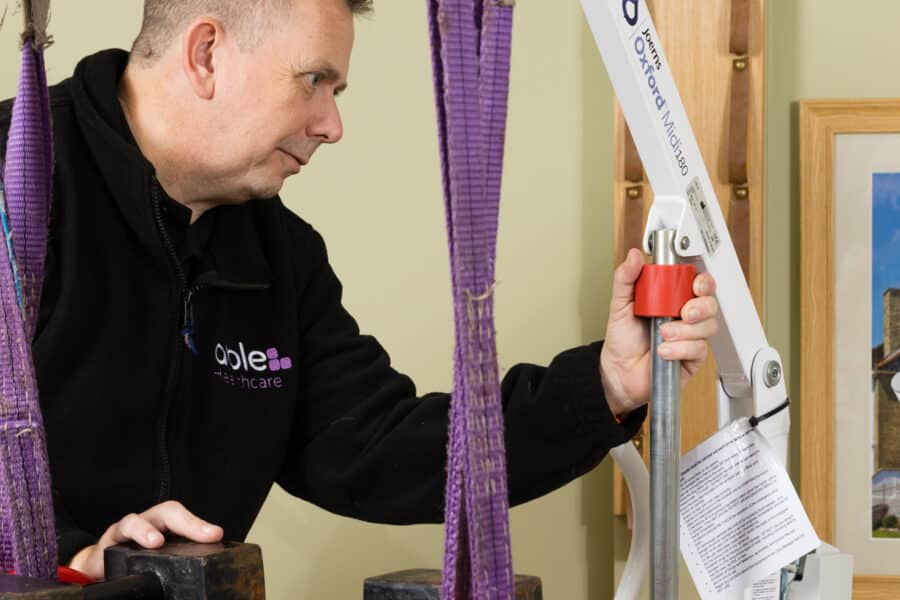
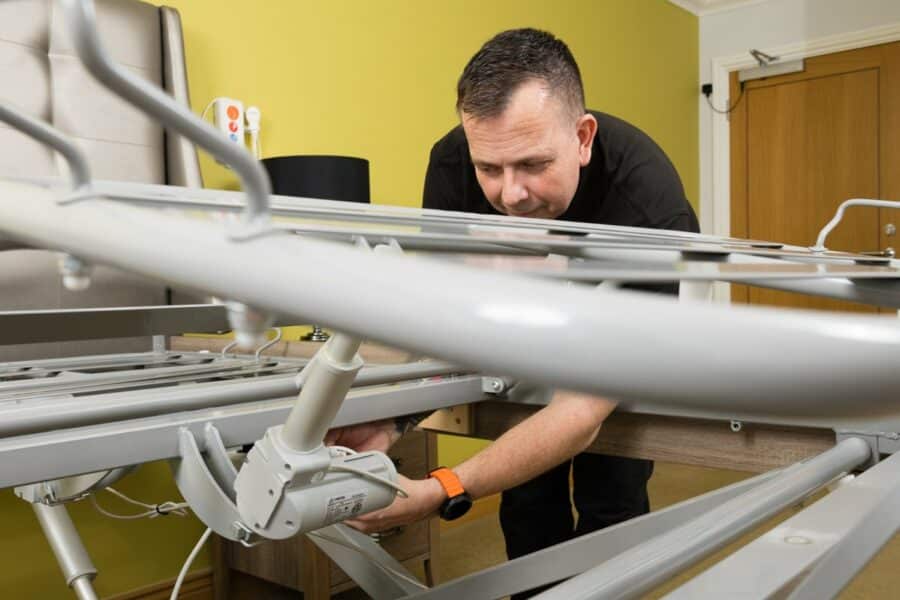
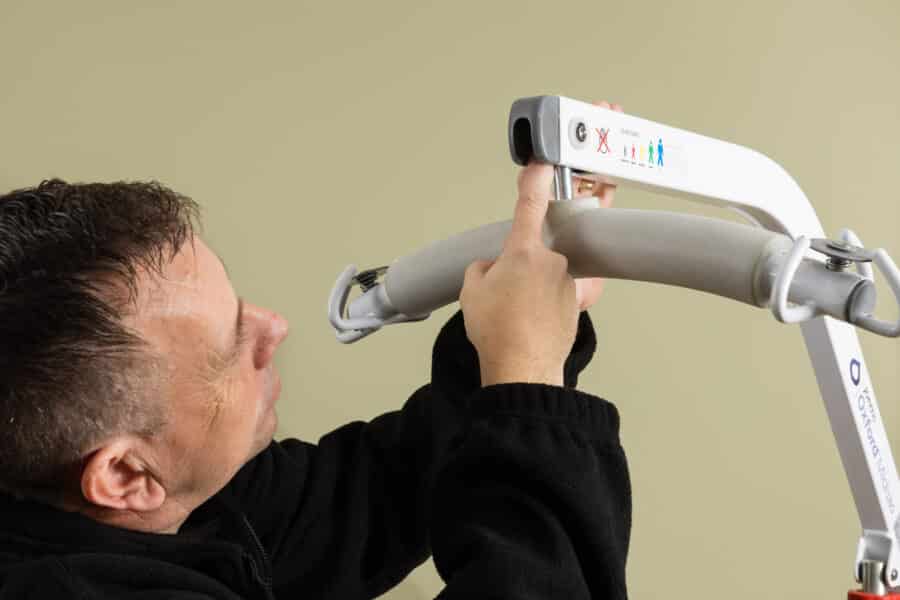
We also offer equipment servicing and PUWER/LOLER inspections to help care homes stay safe and compliant.
If you are reviewing your wider setup, explore our equipment supply solutions for mobility aids, hoists, and related care equipment.
Bonus Resource: External Guide for Staff Training
For additional background on equipment hygiene and disinfection, this CDC guide to cleaning and disinfection provides a useful general framework for staff training.
Final Thoughts
Implementing a clear wheelchair cleaning checklist for care homes helps reduce infection risks, extend equipment lifespan, and support a higher standard of care. With consistent routines, the right products, and regular maintenance checks, keeping mobility aids clean and safe becomes much easier to manage.
If you would like help reviewing your current process or choosing the right servicing and equipment support, send us your details below.
Wheelchair Cleaning Checklist FAQs
2. How often should wheelchairs be cleaned in a care home?
High-touch areas should be wiped down daily, with a full deep clean each week. A monthly maintenance check ensures safety and functionality remain consistent.
3. What products should be used to clean wheelchairs?
Use healthcare-approved, non-abrasive disinfectant wipes or sprays. Avoid bleach unless confirmed safe by the wheelchair manufacturer, as it can damage materials.
4. Who is responsible for wheelchair cleaning in care homes?
Cleaning responsibilities should be clearly assigned to trained staff. Each clean should be logged to maintain accountability and compliance records.
5. What should be included in a wheelchair maintenance checklist?
Check brakes, tyres, upholstery, and frame integrity monthly. Record servicing, repairs, and inspections in a central maintenance log for traceability.
6. How can wheelchair hygiene support compliance during inspections?
Inspectors look for evidence of infection control and maintenance records. A clear cleaning and maintenance schedule demonstrates due diligence and regulatory compliance.
7. What services does Able Healthcare offer for wheelchair maintenance?
Able provides equipment servicing, PUWER/LOLER inspections, and supply of spare parts and accessories—helping care homes stay compliant and fully equipped.