


Limescale isn’t just unsightly — in a care home, it can reduce equipment efficiency, compromise hygiene, and create avoidable maintenance issues. That’s why using the right descaler for the right job matters.
In this guide, we’ll break down the different types of descalers commonly used in care homes and explain how to choose the best option for each area of your facility.
Why Care Homes Need Descalers
Hard water causes limescale build-up on taps, toilets, showerheads, dishwashers, kettles, and pipework. Left untreated, this can:
- Damage equipment and appliances
- Reduce heating efficiency
- Encourage bacterial build-up around fixtures
- Create hygiene and maintenance issues during inspections
Descalers help remove limescale safely and effectively — but not all products are suitable for every surface or setting.
Is your descaler not pulling its weight?
Types of Descalers Used in Care Homes
1. Acid-Based Descalers
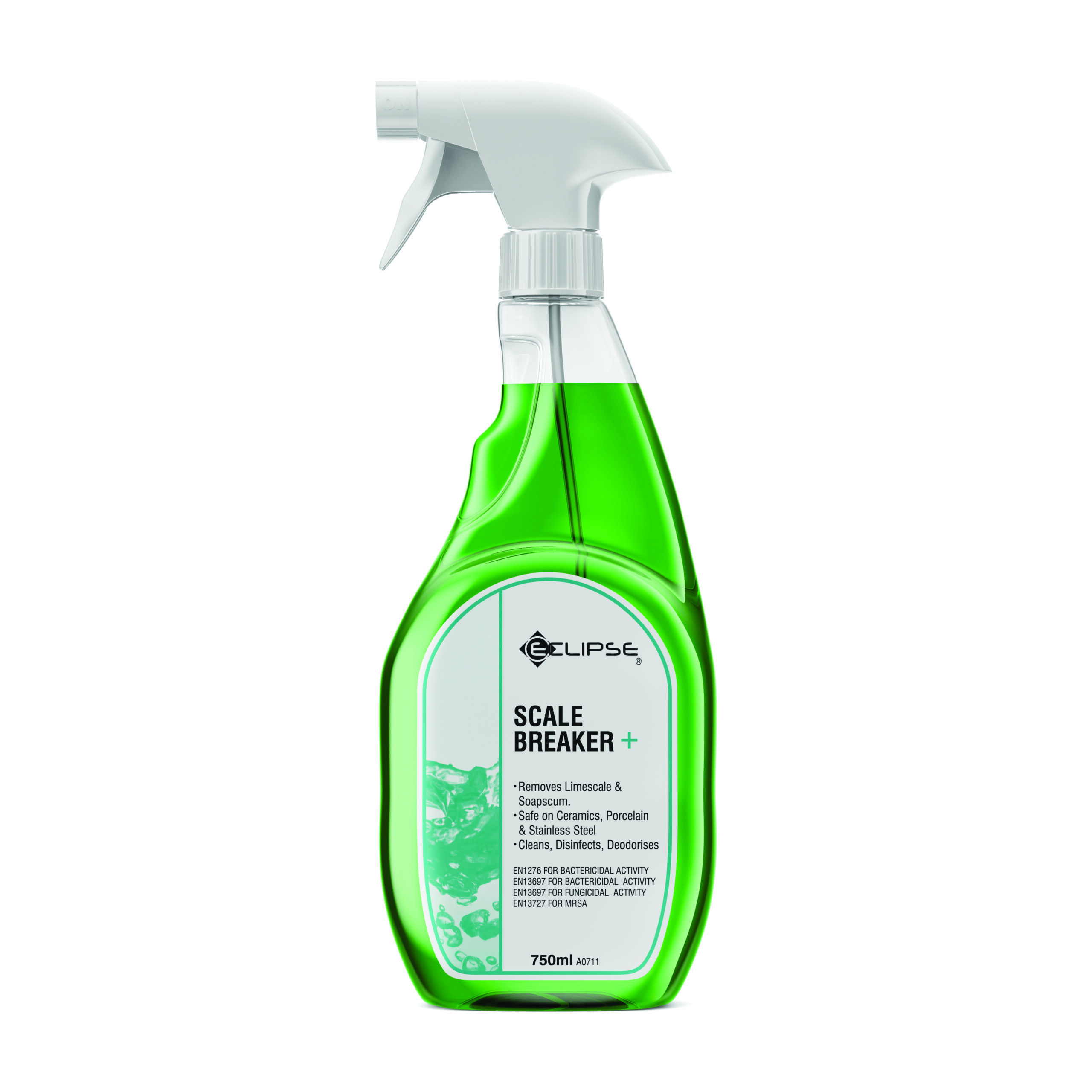
Acid-based descalers are among the most common and effective options for tough limescale removal.
- Best for: Toilets, sinks, showerheads, dishwashers, and heavy washroom scale
- Active ingredients: Citric acid, phosphoric acid, or hydrochloric acid
- Benefits: Fast-acting and powerful
- Caution: Not suitable for every surface, especially delicate chrome, stainless steel, or natural stone unless the label confirms compatibility
2. Non-Acid or Neutral Descalers
Non-acid or neutral descalers are gentler and often more suitable for sensitive surfaces or routine maintenance.
- Best for: General surfaces, taps, tiles, and fixtures
- Benefits: Less corrosive and better suited to regular use
- Ideal for: Areas where surface protection matters
3. Food-Safe Descalers
Food-safe descalers are essential in kitchens and catering areas where residue control and hygiene are critical.
- Best for: Kettles, coffee machines, dishwashers, steamers, and catering equipment
- Features: Designed to be non-toxic and residue-free when used as directed
- Important: Always check that the product is suitable for food-contact or catering equipment before use
4. Eco-Friendly Descalers
Eco-friendly descalers are designed to reduce environmental impact while still helping manage limescale build-up.
- Best for: Environmentally conscious care homes
- Formulations: Often plant-based, biodegradable, or lower-impact
- Note: May require longer dwell time than stronger acid-based options
Interested in reviewing greener cleaning options?
5. Heavy-Duty or Industrial Descalers
Heavy-duty descalers are used by maintenance teams for tougher scale problems in larger systems.
- Best for: Water tanks, pipework, boilers, and heating systems
- Usage: Typically handled by trained professionals
- Warning: Often corrosive and requires appropriate PPE and COSHH controls
Choosing the Right Descaler for Each Area
| Area | Recommended Descaler Type |
|---|---|
| Toilets and urinals | Acid-based washroom descaler |
| Kitchen appliances | Food-safe or eco descaler |
| Showerheads and taps | Non-acid or gentle acid descaler |
| Floors and tiles | Neutral or multi-surface descaler |
| Boilers and pipework | Heavy-duty or institutional descaler |
Safety Tips for Care Home Use
- Always read the COSHH data sheet before using any descaler
- Wear gloves and eye protection where required
- Never mix descalers with bleach or other cleaning chemicals
- Use colour-coded cleaning equipment to reduce cross-contamination risk
- Ensure kitchen descalers are clearly labelled as food-safe where required
- Store products securely, away from residents and unauthorised staff areas
- Train staff on dwell times, dilution, rinsing, and surface compatibility
Need Help Finding the Right Product?
At Able, we supply a full range of descaling products suitable for care homes — from food-safe appliance cleaners to heavy-duty toilet descalers. Not sure what’s best for your setup? We’re happy to advise.
Browse our cleaning supplies, or speak to our team for help choosing the right product.
Care Home Descaler FAQ’s
2. Can eco-friendly descalers remove heavy limescale?
Yes, but they usually need a longer dwell time. Eco-friendly descalers are ideal for regular maintenance in care homes that prioritise sustainability.
3. Is it safe to use acid descalers on stainless steel or chrome?
Only with caution. Always check the product label or COSHH sheet first — some acid descalers can damage finishes if not diluted or rinsed correctly.
4. What descaler should be used in care home kitchens?
Use certified food-safe descalers. These are non-toxic, residue-free, and safe for kettles, dishwashers, and other appliances used around food or drink.
5. How often should care home equipment be descaled?
Frequency depends on water hardness and usage. In most care homes, descaling should be carried out weekly or monthly to maintain hygiene and equipment efficiency.